Tarn Granite: Paving That Pays Off Over Decades
How low porosity, frost resistance and proven durability define long-term value in public spaces.
When cities choose natural stone for streets and public squares, the conversation usually starts with price per m². But the real cost of a pavement plays out over 50–100 years — through cleaning intervals, repairs, and above all, how well the stone holds up. Three properties in particular explain why French Tarn granite has become a reference material in many European urban projects: low porosity, resistance to freeze-thaw cycles, and exceptional mechanical durability.
Low Porosity, Less Discoloration
Porosity and water-absorption determine how much water, dirt and iron can migrate through the stone.
Typical porosity / water-absorption values:
| Granite (Typical ranges, individual quarry batches may vary) | Porosity (%) [EN1936] | Water Absorption (%) [EN 13755] |
| French Tarn Granite | 0.2 – 0.4 | 0.1 – 0.2 |
| Portuguese / Spanish granites | 0.5 – 0.7 | 0.3 – 0.5 |
| Chinese granites | 0.6 – 1.5 | 0.4 – 0.8 |
The low porosity of Tarn granite directly affects how quickly this material soils in public spaces. Because the stone is so compact, liquids and dirt hardly penetrate the core. Grease, acids, and atmospheric deposits stay on the surface rather than working their way into the pores, making the stone easier to clean with water and mild agents. On a very dense surface, rainwater runs off quickly and flushes contaminants with it.
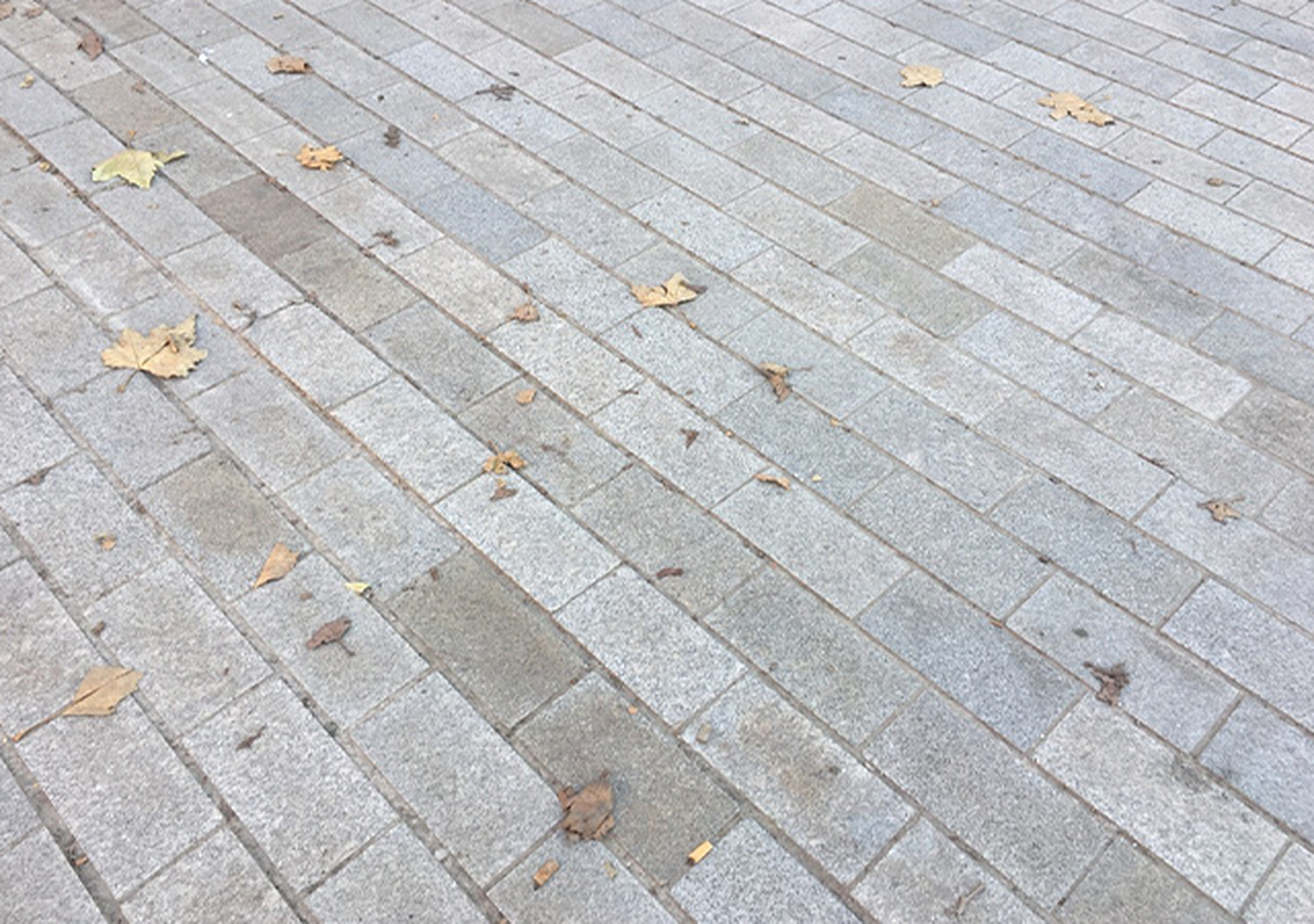
Example of Chinese granite with rust-formation and soiling due to higher porosity & water-absorption
Lower porosity / water-absorption in a granite like Tarn means:
less water penetration
less transport of iron or pollutants
significantly lower risk of yellowing or staining
For cities, this results in more stable colour over time, less soiling of paving and fewer cleaning interventions needed.
Resistance to Freeze-Thaw Cycles and De-Icing Salts
In cold climates — Northern Europe, Alpine regions — streets face a punishing combination of salt and repeated freeze-thaw cycles. Salt enters the pores of the stone, and as temperatures fluctuate, the crystallisation pressure of water and salt causes micro-damage and gradual surface deterioration.
Tarn granite's very low porosity and water absorption limits salt penetration from the start. Less water in the stone means less expansion, fewer micro-cracks, and less surface degradation over time.
This translates directly into:
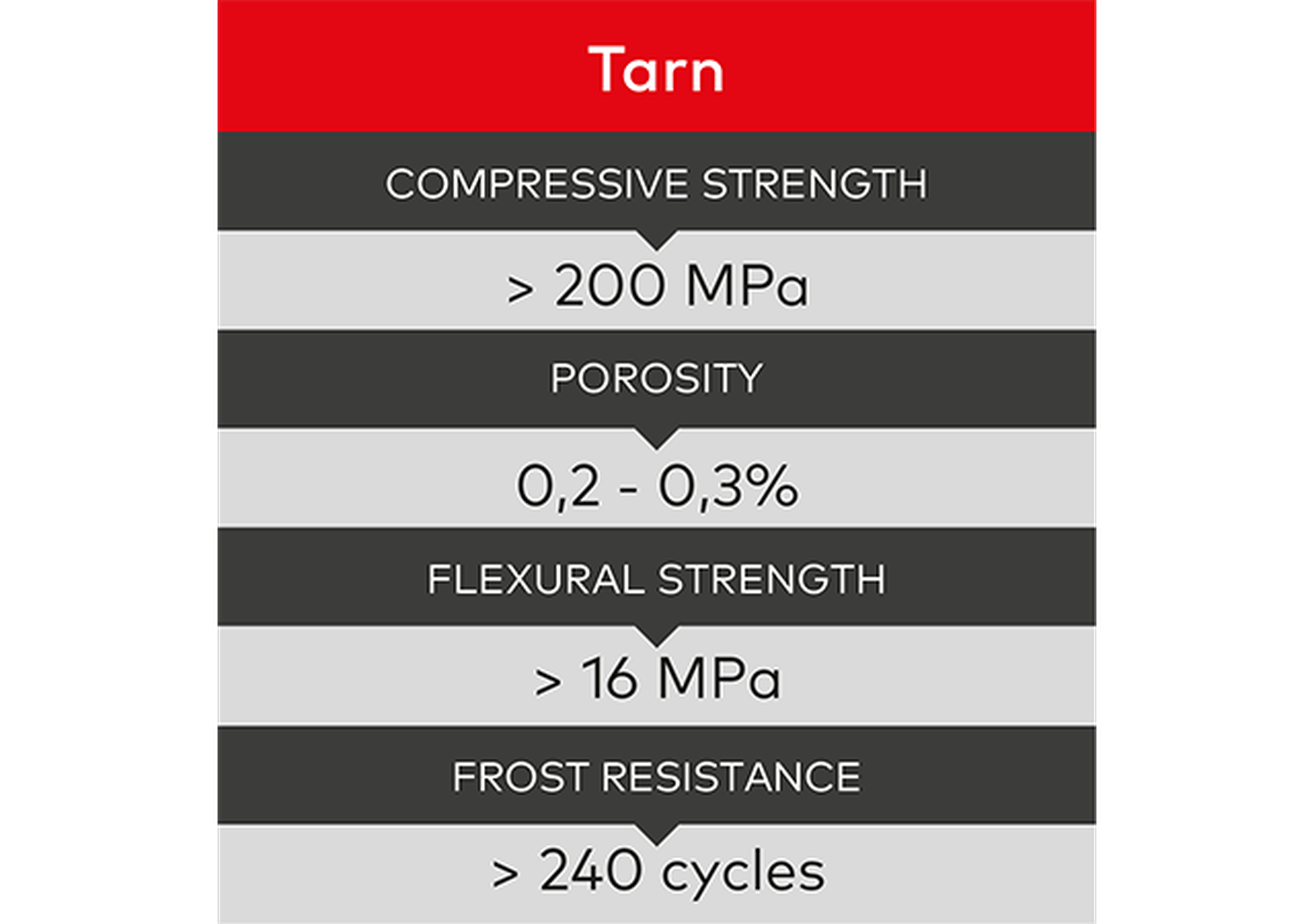
excellent resistance to freeze-thaw cycles (> 240 cycles according to EN 12371)
less scaling or surface degradation
longer pavement lifespan in winter climates
Proven Mechanical Durability
 Compressive Strength
> 200 MPa (highest user class for natural stone setts and cobbles)
 Flexural Strength
> 16 MPa (high resistance for tiles, pavers and kerbs according to EN 1341 and EN 1343)
 Abrasion Resistance
< 17.5 mm (suited for intensively used pedestrian areas and streets)
 Frost Resistance
>240 freeze-thaw cycles (EN 12371)
Beyond porosity and frost resistance, Tarn granite's physical properties place it in the highest performance class for urban paving. These characteristics qualify Tarn granite for the highest user class for streets according to EN 1342. In practice, this means fewer repairs and less intervention over the course of decades — which is where the real cost difference with lower-performing materials becomes visible.
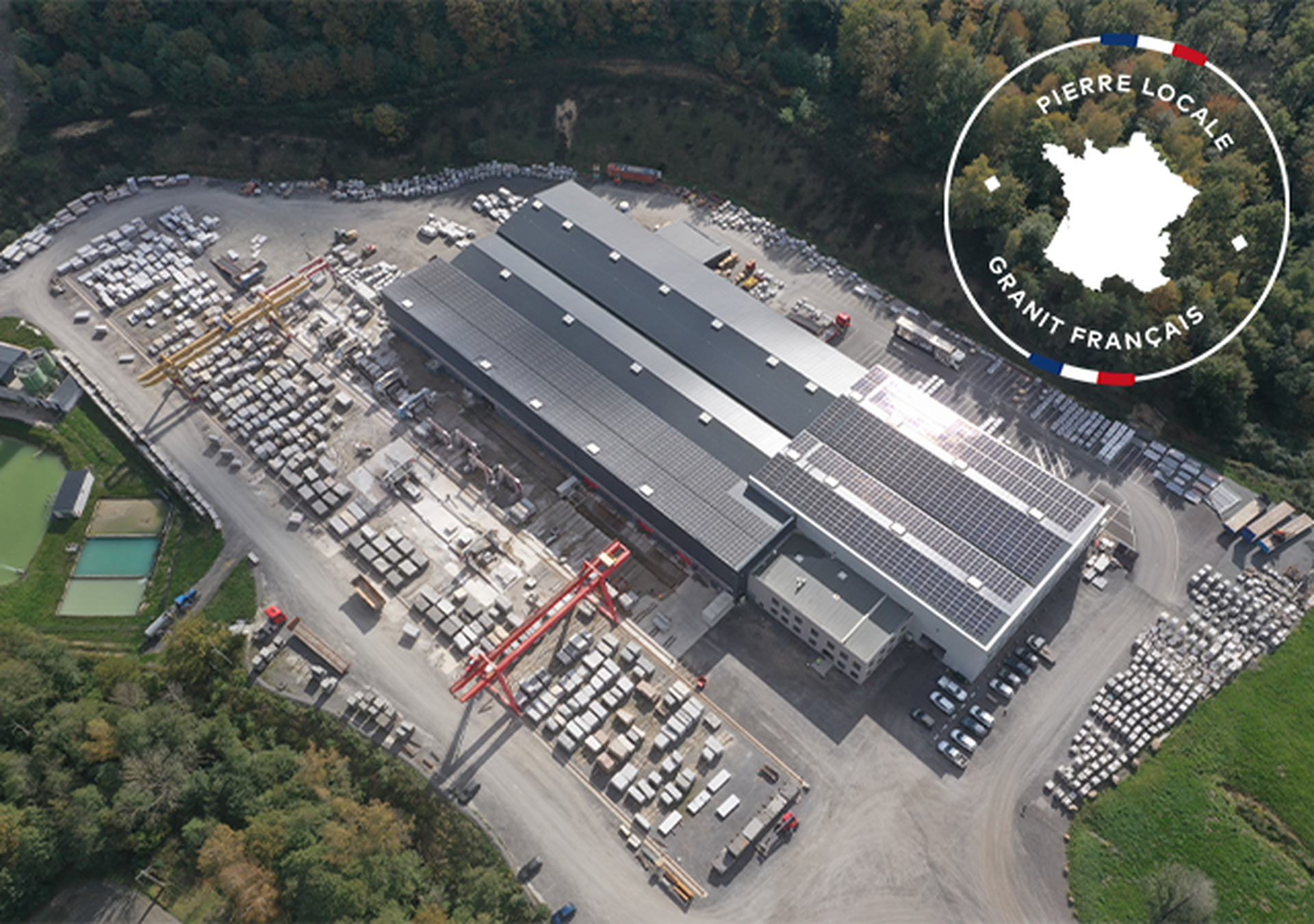
Material performance is only part of the equation. Transport distance has a measurable impact on the carbon footprint of any paving project. Granite quarried in the Tarn region of southern France travels a fraction of the distance compared to material shipped from China or other non-European origins. For municipalities with sustainability targets or projects requiring an Environmental Product Declaration (EPD), this is an increasingly relevant factor in material selection.
Conclusion: The Stone That Still Looks Good After Decades
For municipalities, the calculation is straightforward. A stone that offers lower porosity, better frost and salt resistance, and higher mechanical durability will almost always cost less over its full lifecycle, regardless of where the purchase price sits.
In public space design, the best stone is not the one that wins on the initial quote. It is the one that still performs — and still looks good — after decades of use.
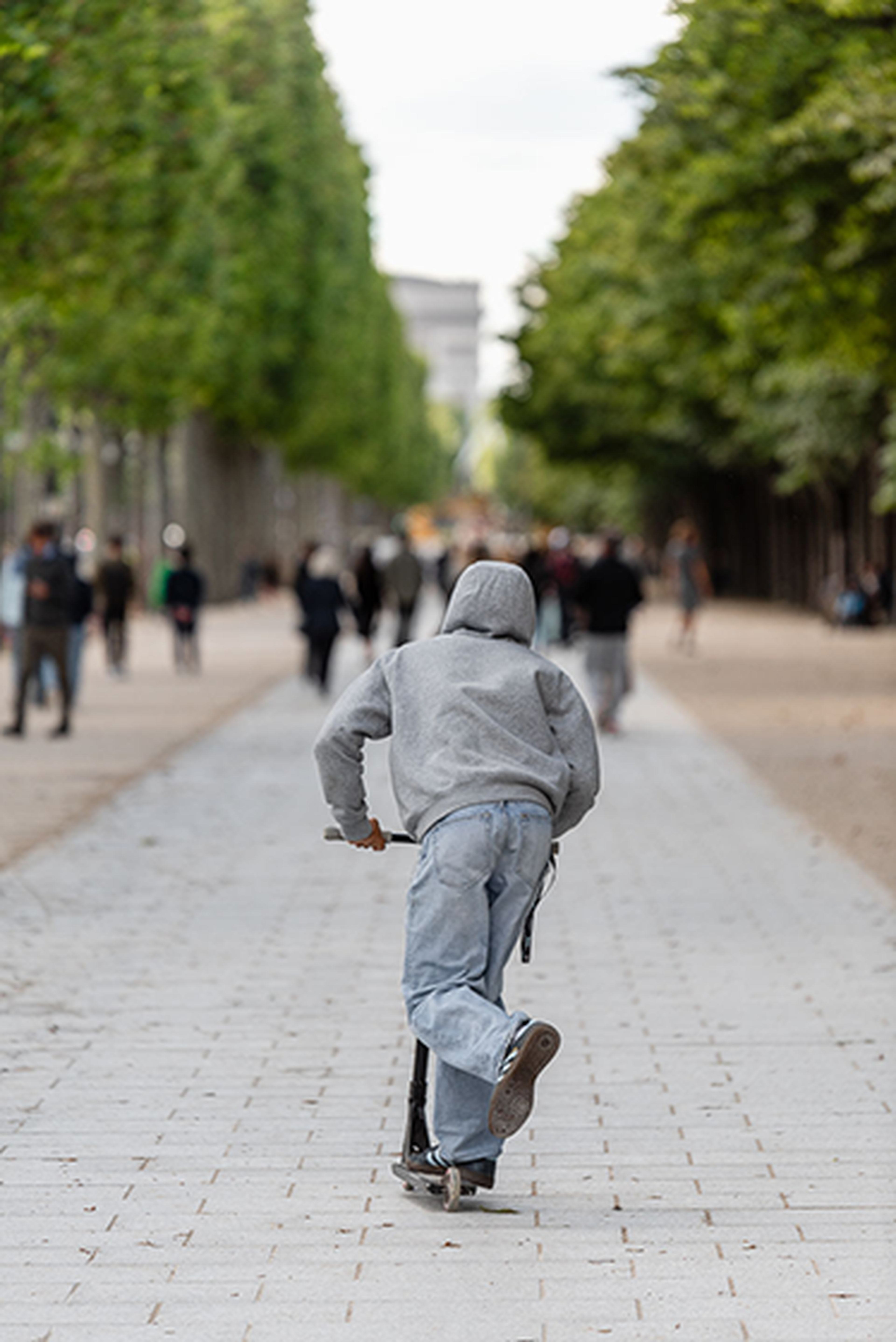
Paving in Tarn Gros Grain
Champs-Elysées, Paris
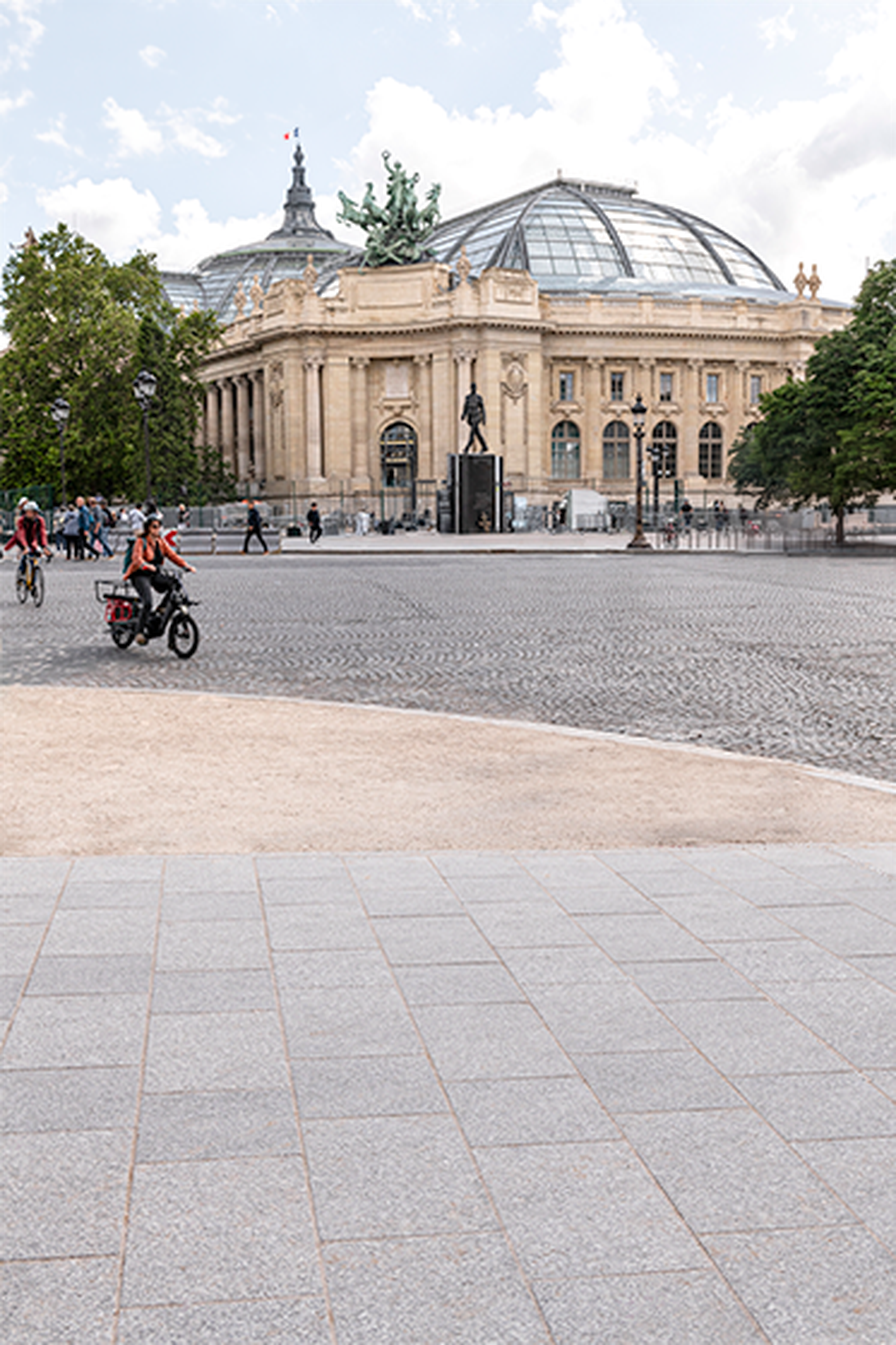
Paving in Tarn Gros Grain
Champs-Elysées, Paris
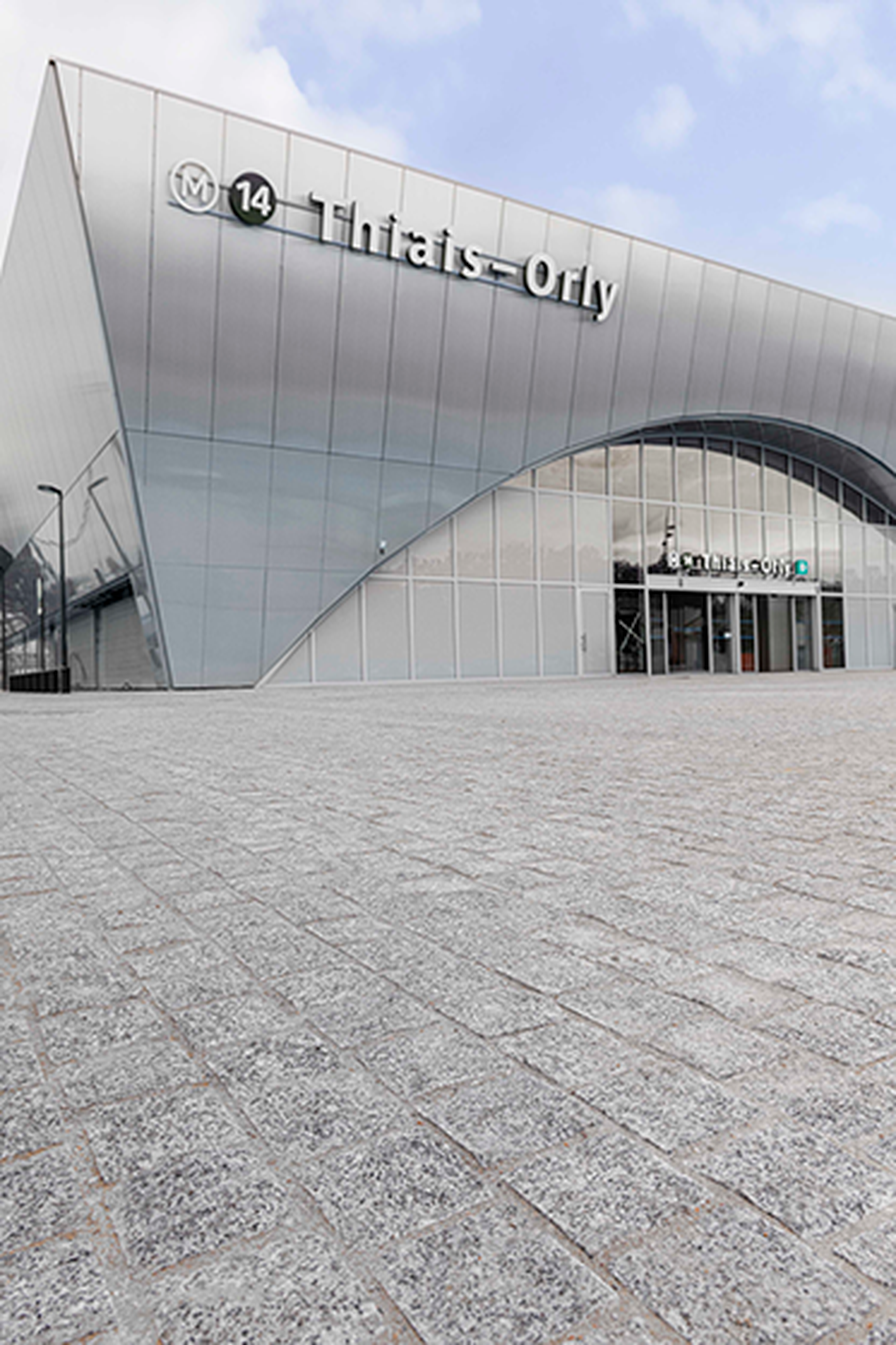
Paving in Tarn Gros Grain
Thiais - Orly Metro Station, Paris
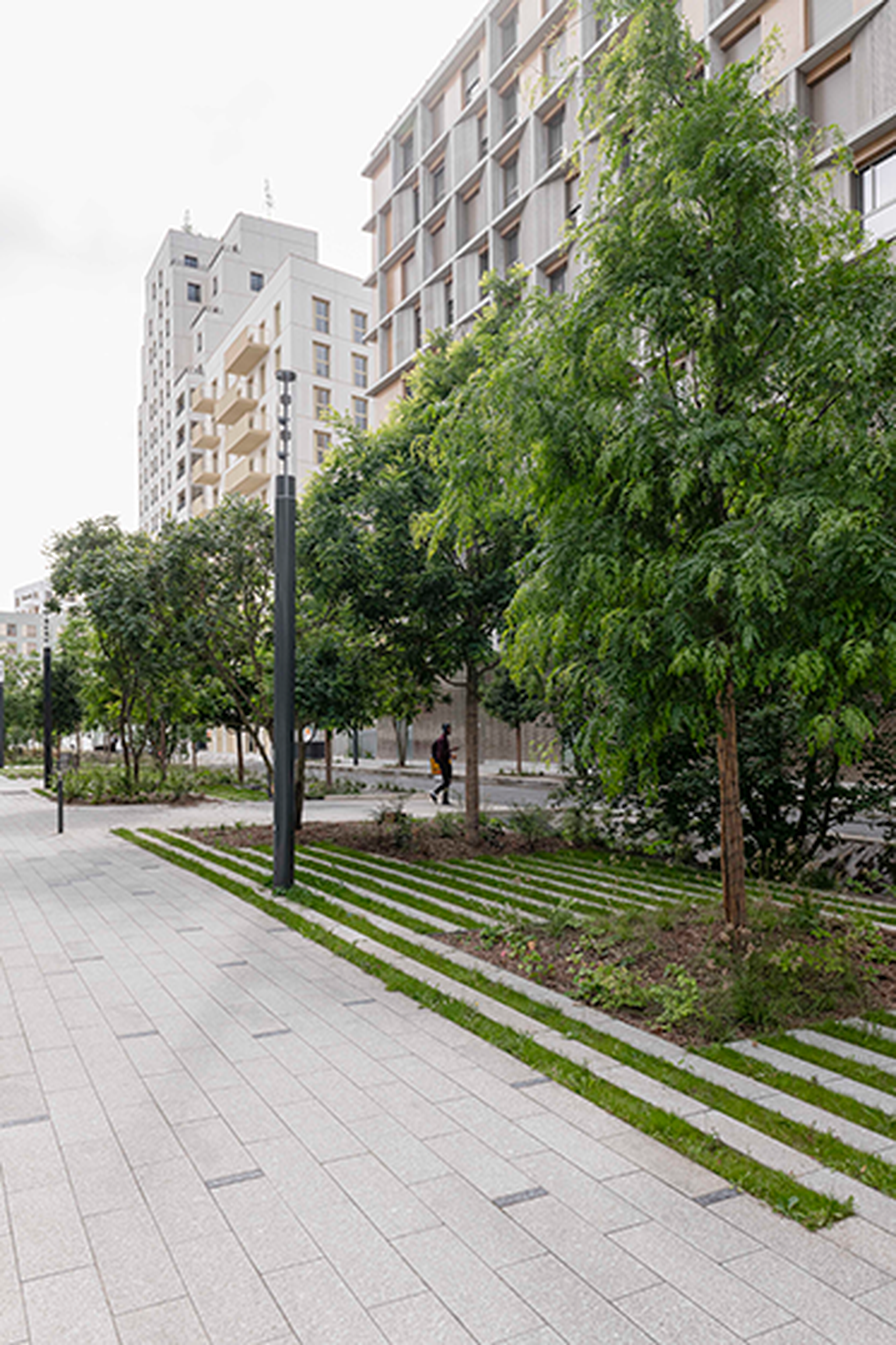
Paving in Tarn Gros Grain
Thiais - Orly Metro Station, Paris
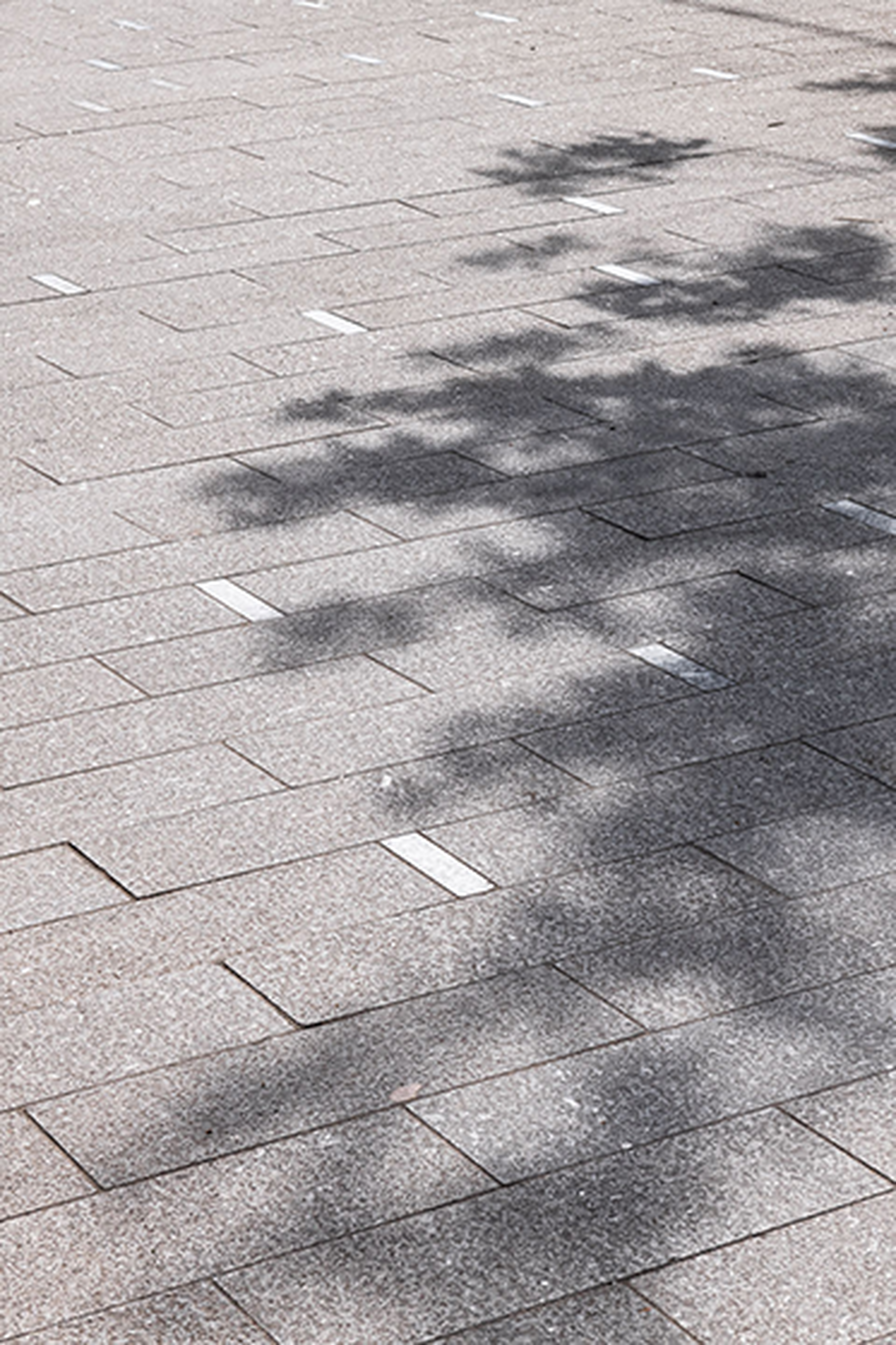
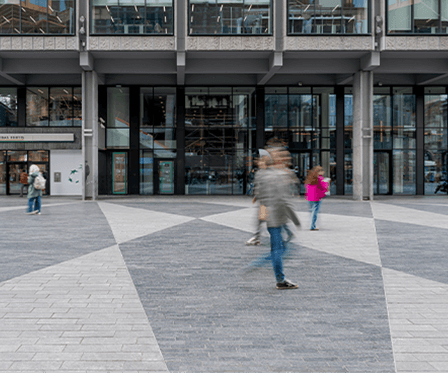
Paving in Tarn Gros Grain
ZAC Parc d'Affaires, Paris
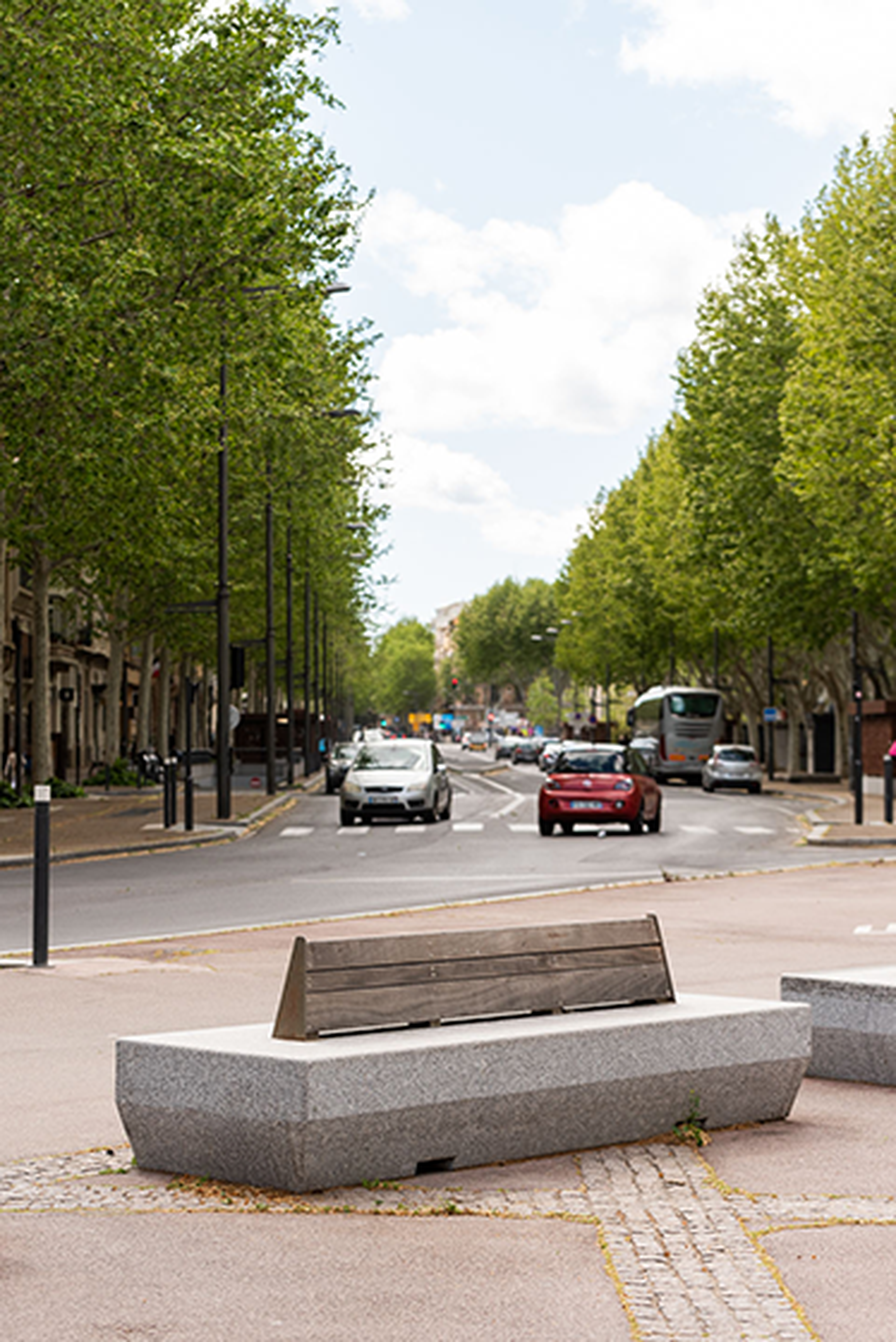
Paving in Tarn Gros Grain
ZAC Parc d'Affaires, Paris
Street Furniture in Tarn Gros Grain
Les Platanes, Perpignan
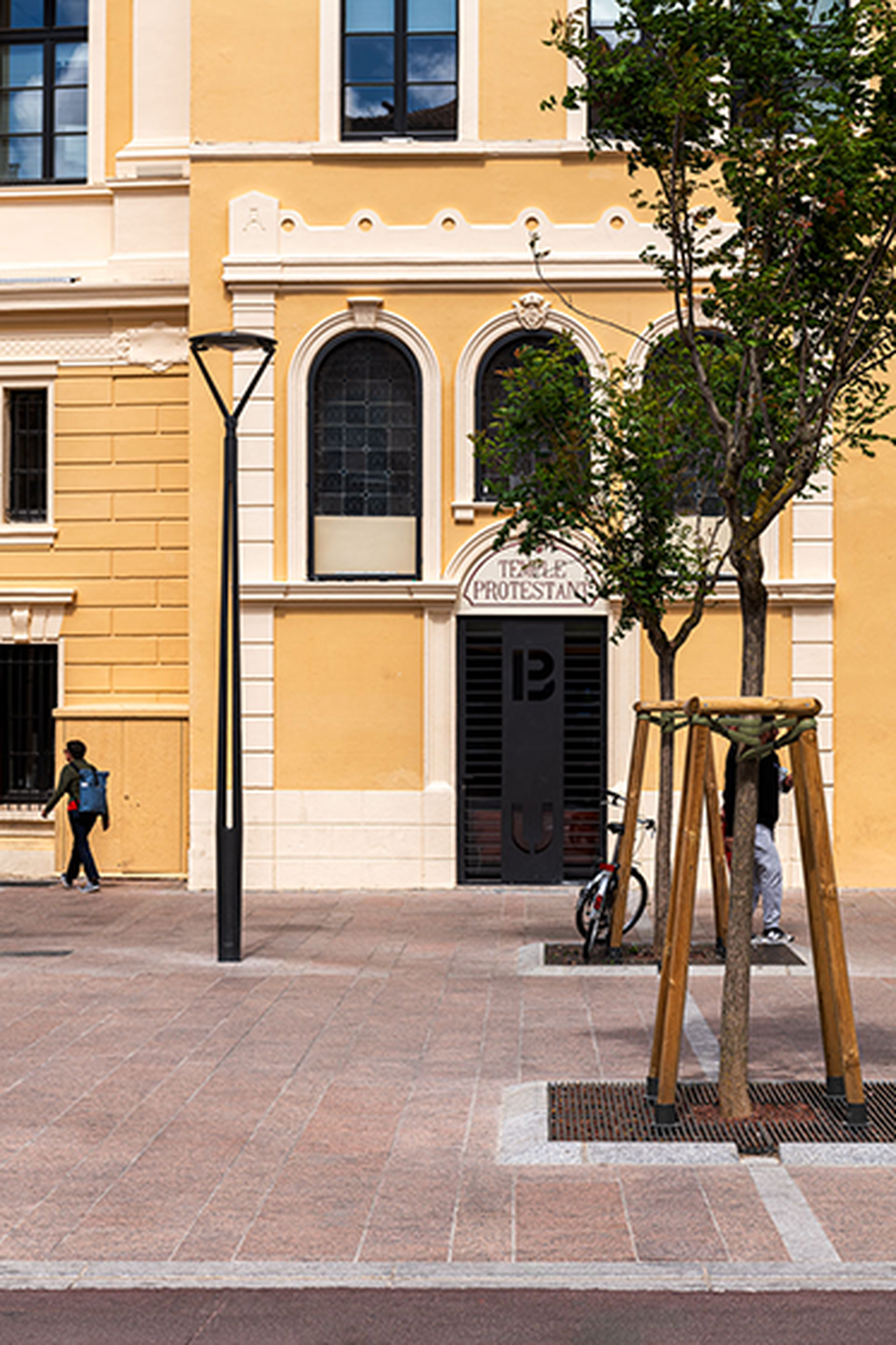
Paving in Rose de la Clarté
Kerbstones in Tarn Gros Grain
Place Rigaud, Perpignan
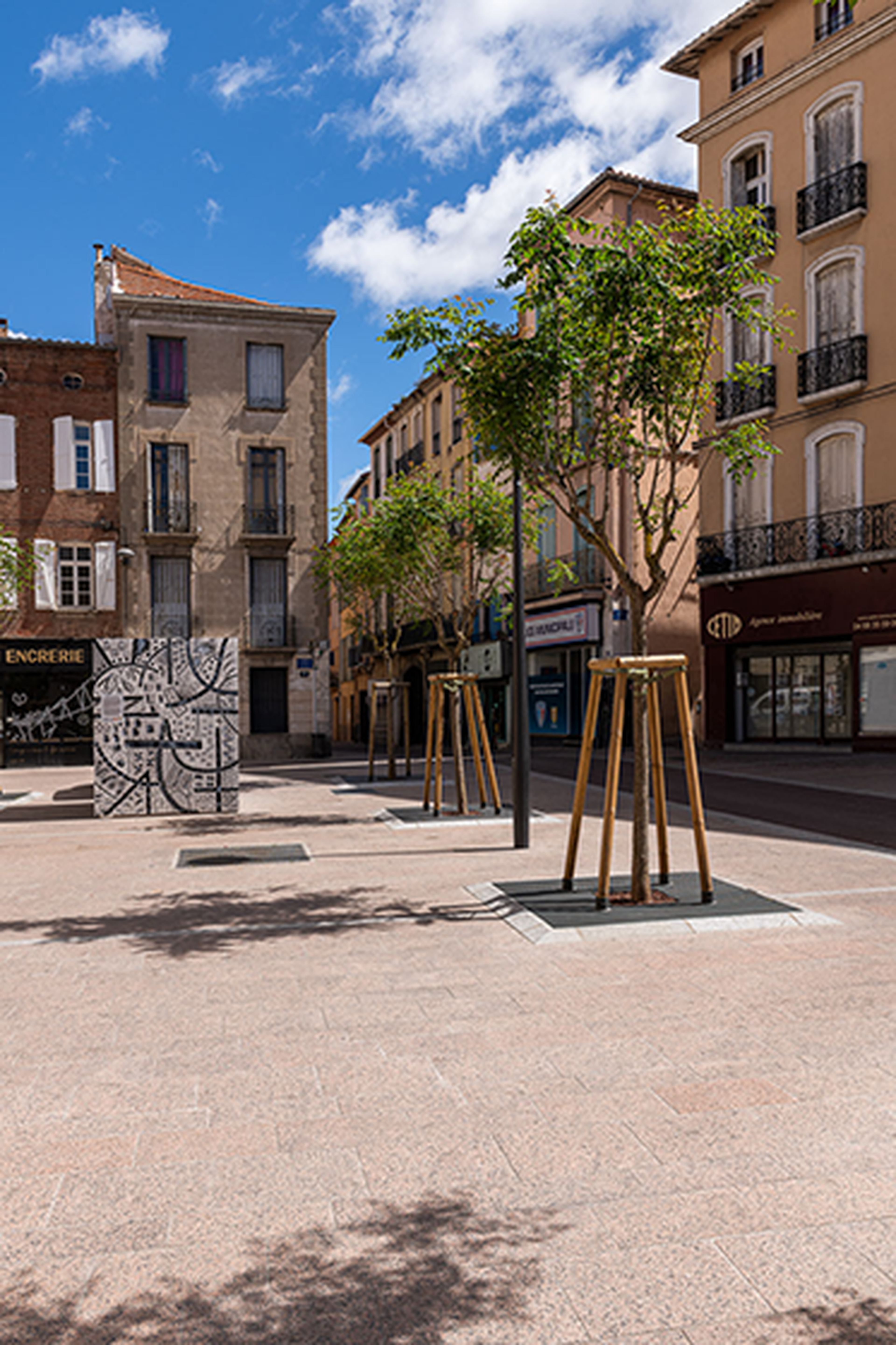
Paving in Rose de la Clarté
Kerbstones in Tarn Gros Grain
Place Rigaud, Perpignan
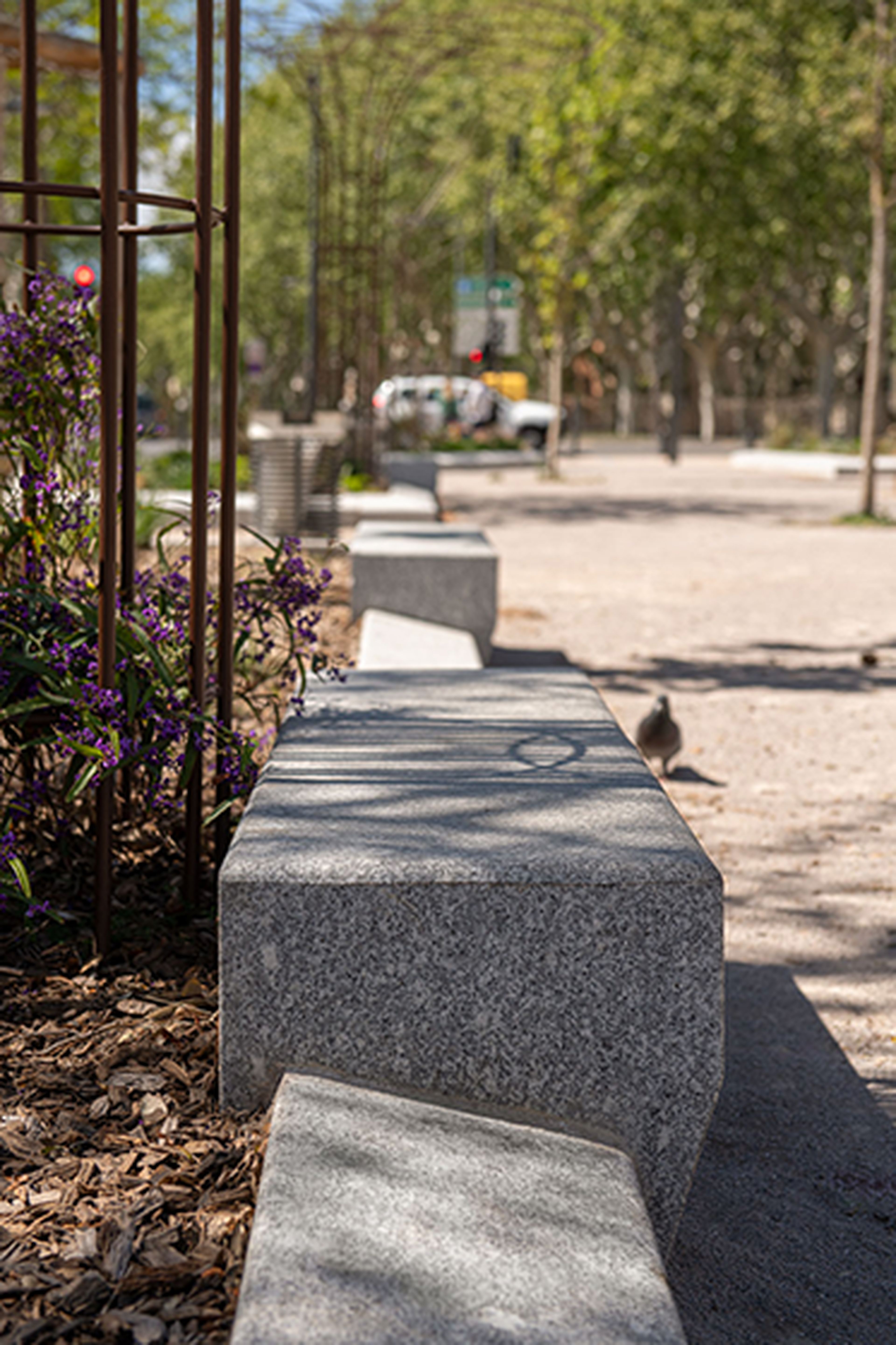
Kerbstones & Street Furniture in Tarn Gros Grain
Jardin Terrus, Perpignan
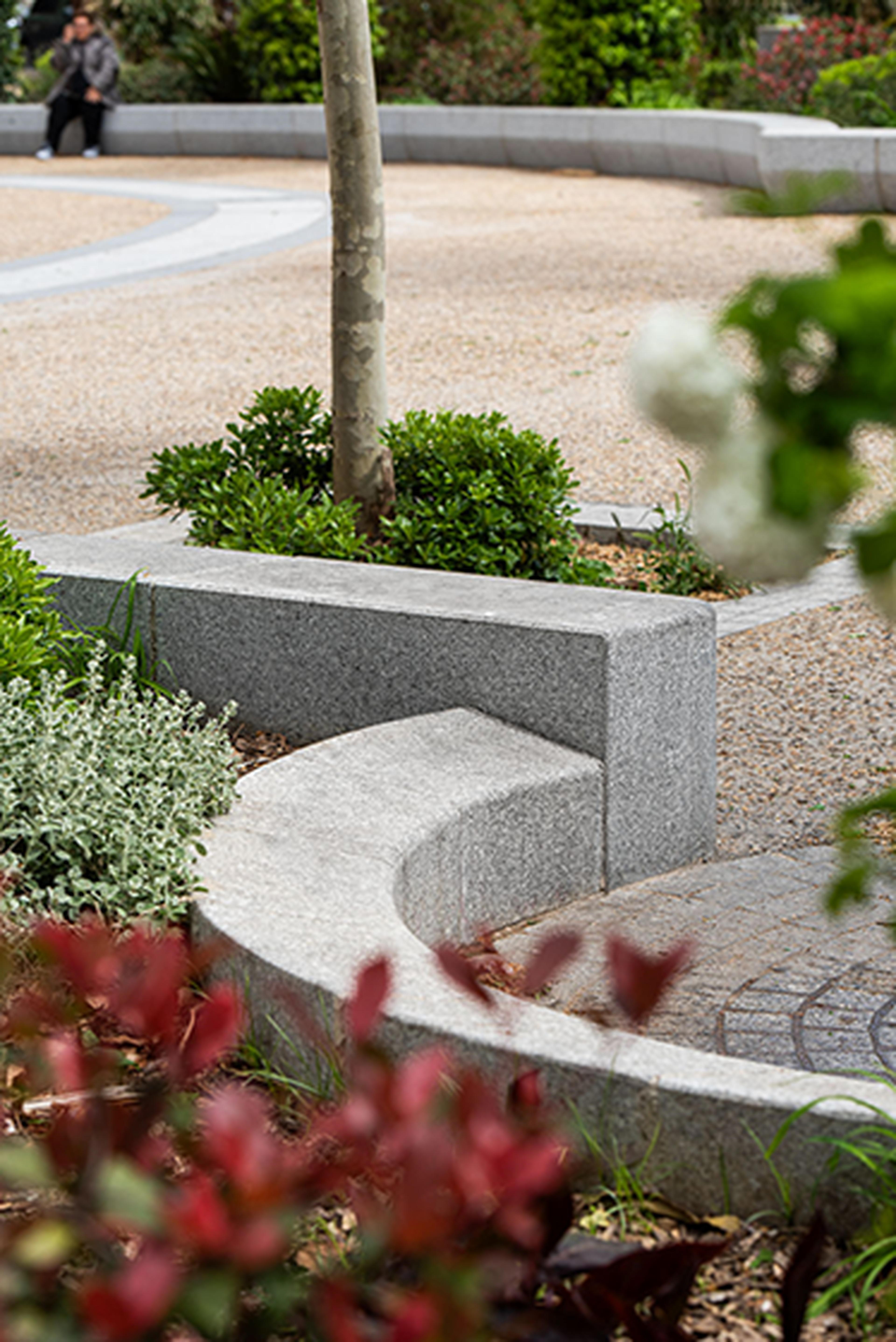
Kerbs & Street Furniture in Tarn Gros Grain
Place Cayrol, Perpignan
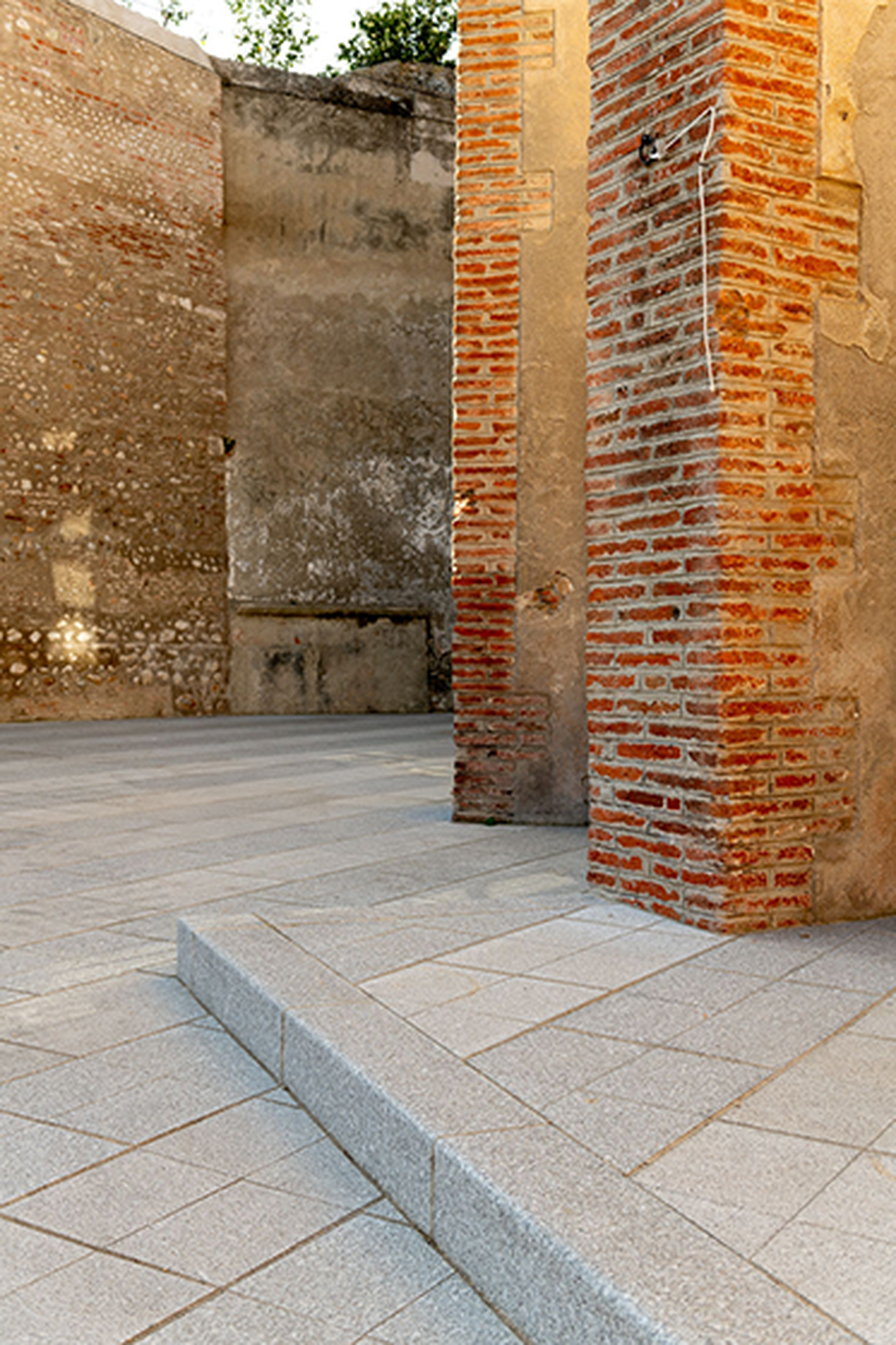
Paving in Tarn Gros Grain
Eglise Dominicaine, Perpignan
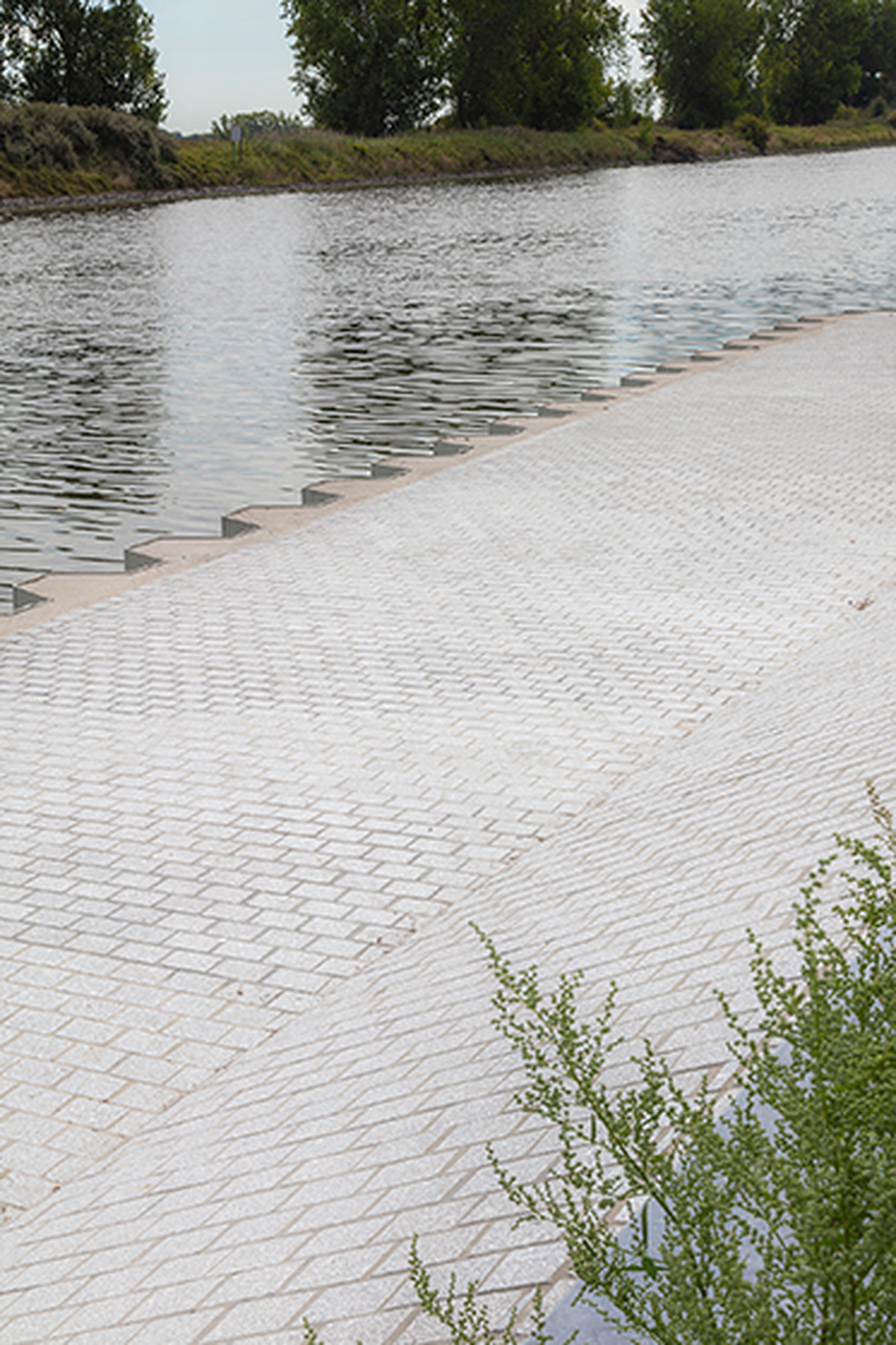
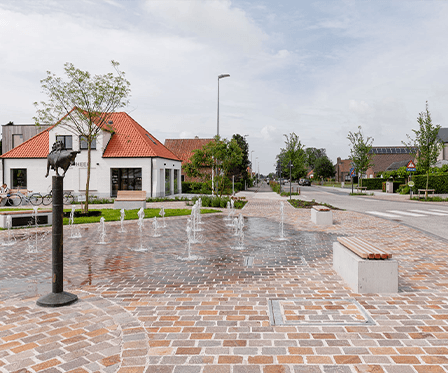
Paving in Tarn
Lissewege (Zeebrugge)
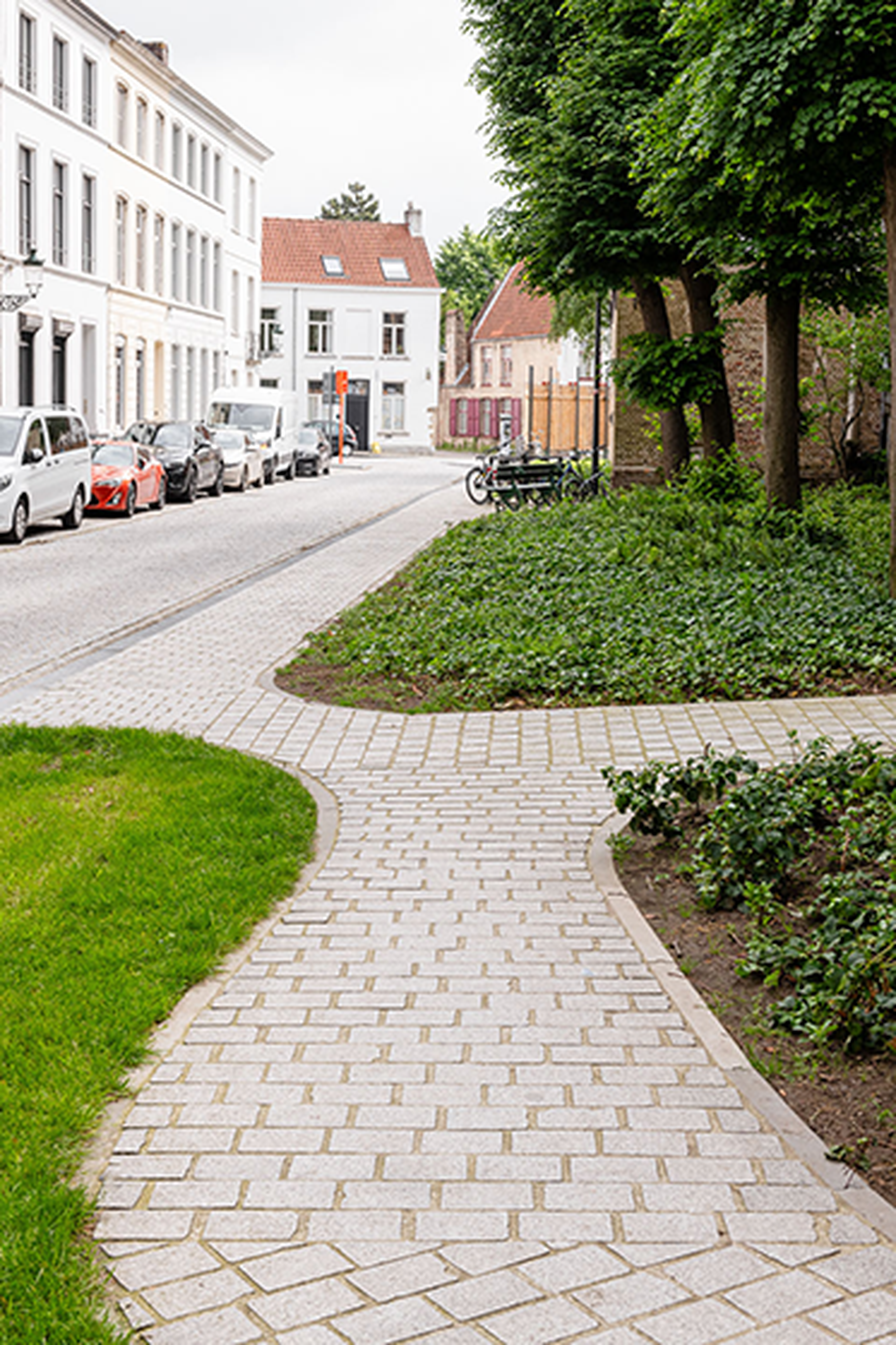
Footpath in Tarn
Sint-Annaplein, Bruges
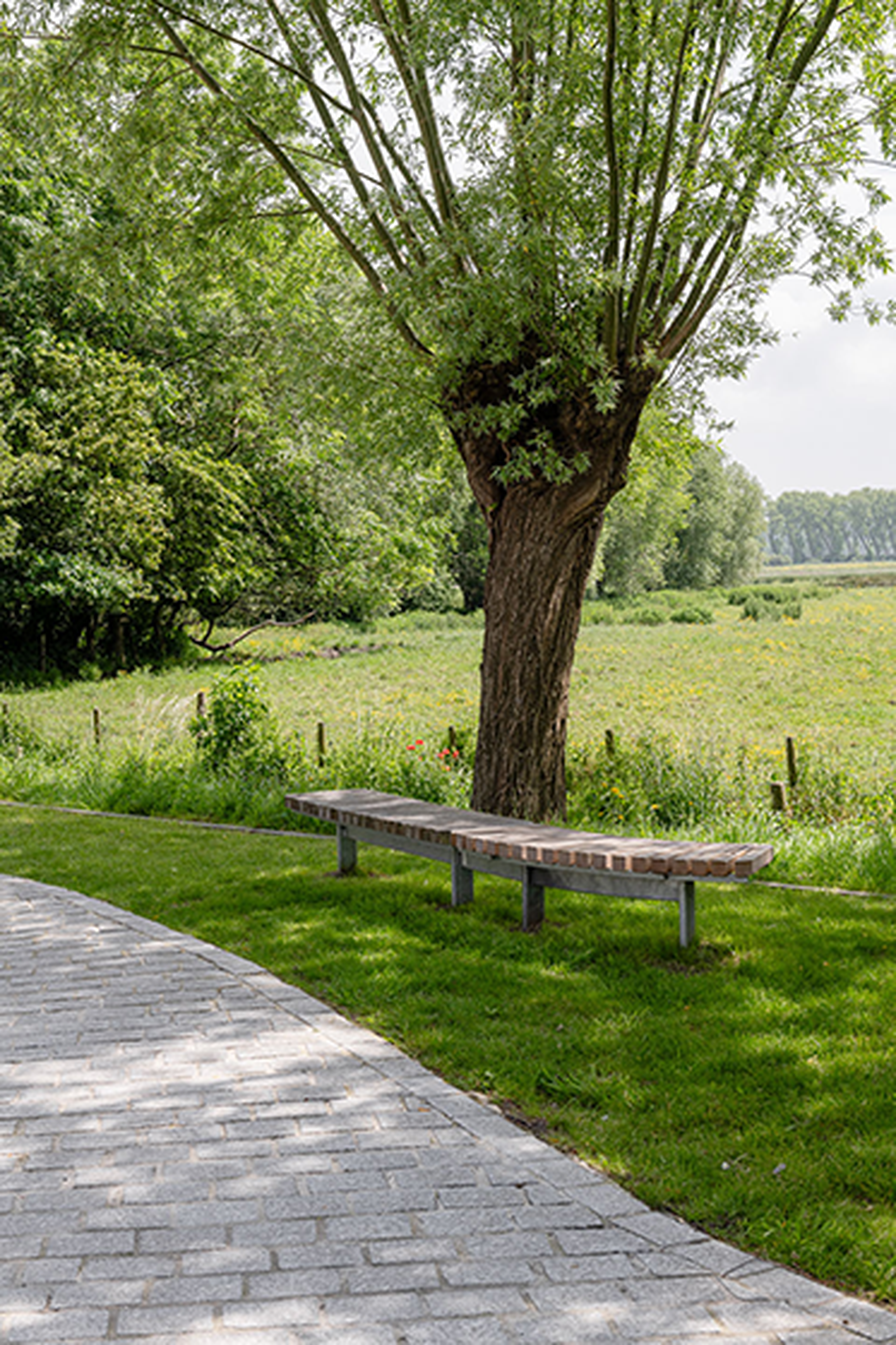
Paving in Tarn
Processieweg, Oostkerke
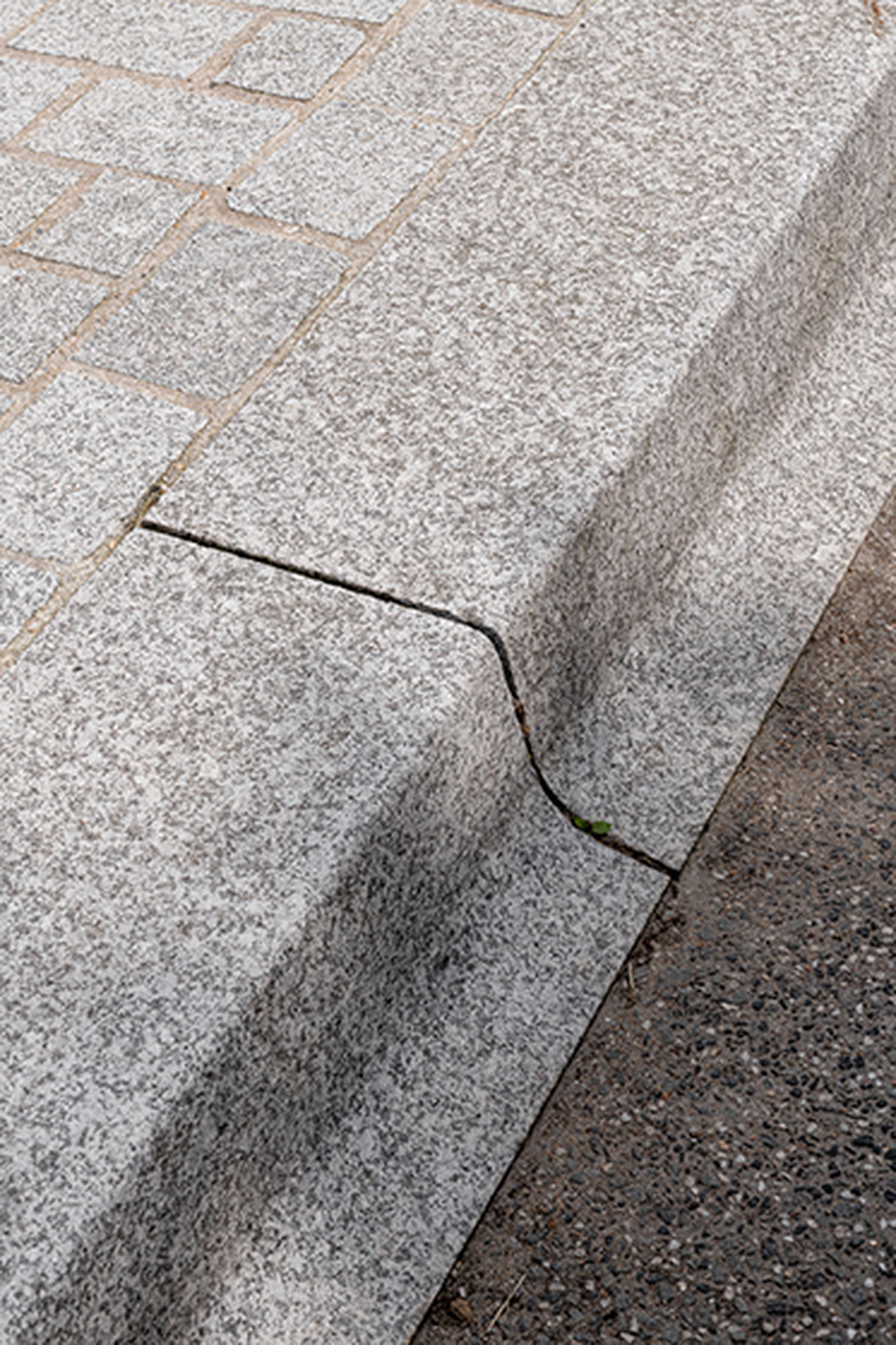
Kerbs in Tarn
Processieweg, Oostkerke
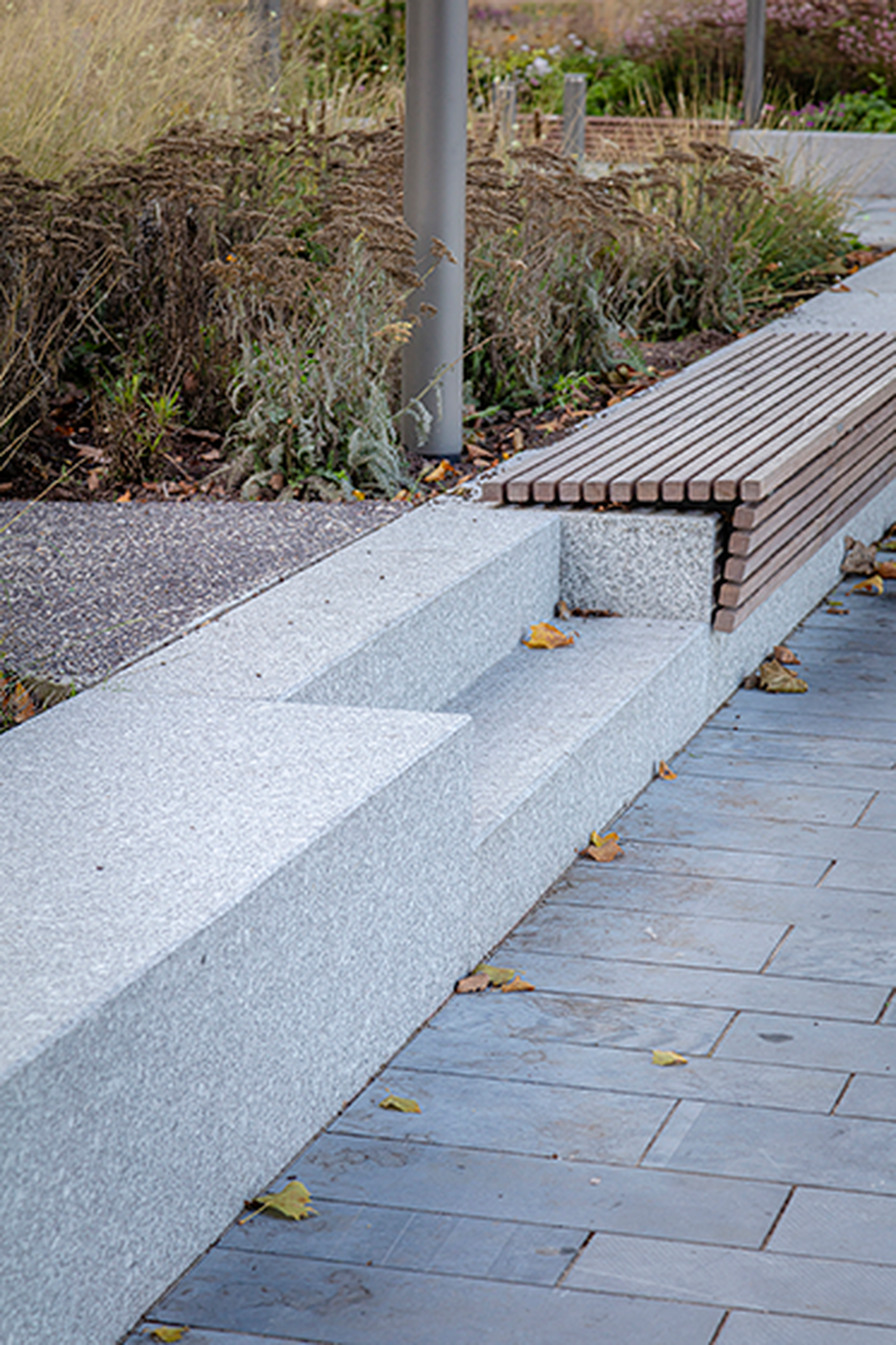
Street Furniture in Tarn Gros Grain
Kempenstraat, Antwerp
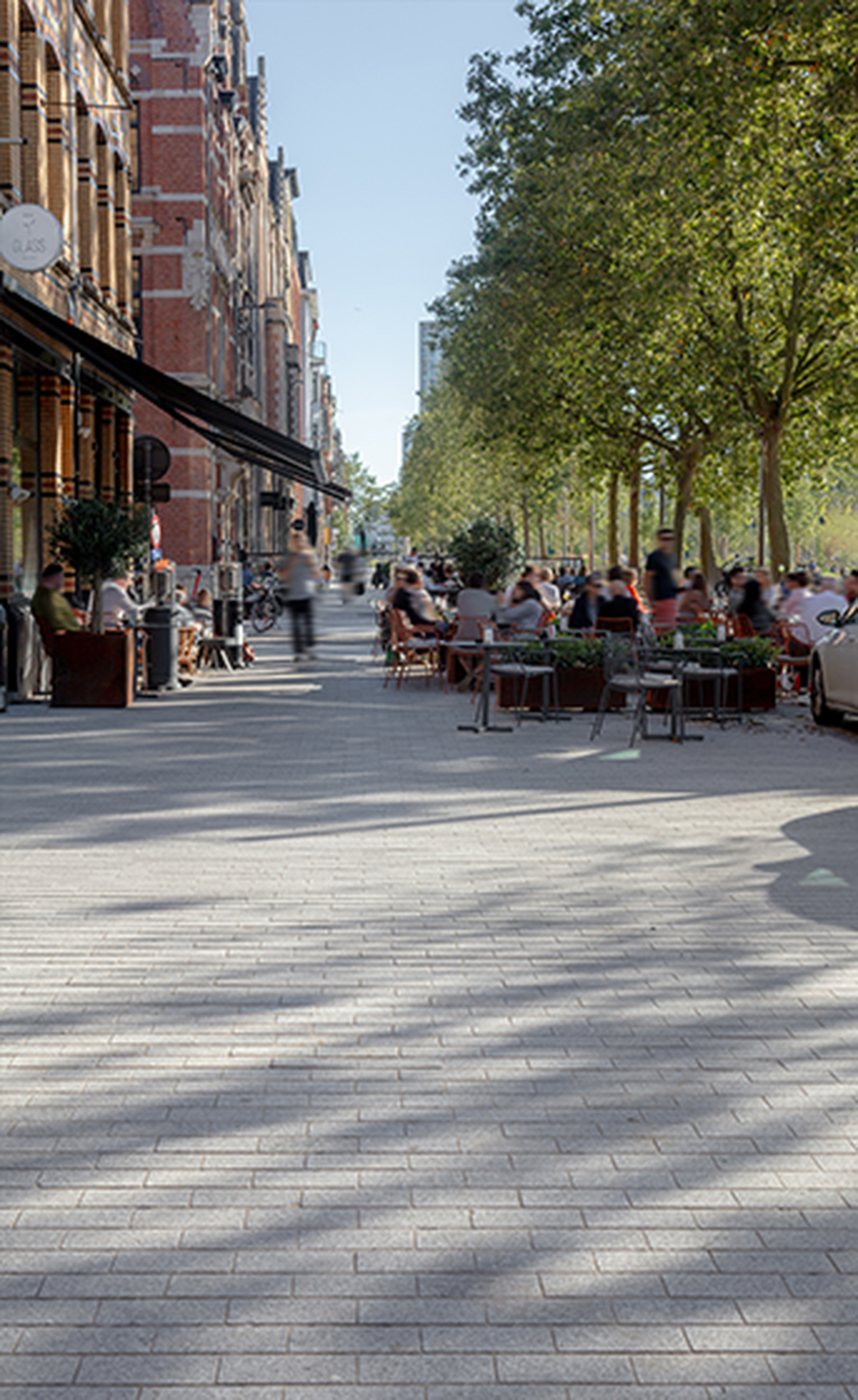
Paving in Tarn
Vlaamse & Waalse Kaai, Antwerp
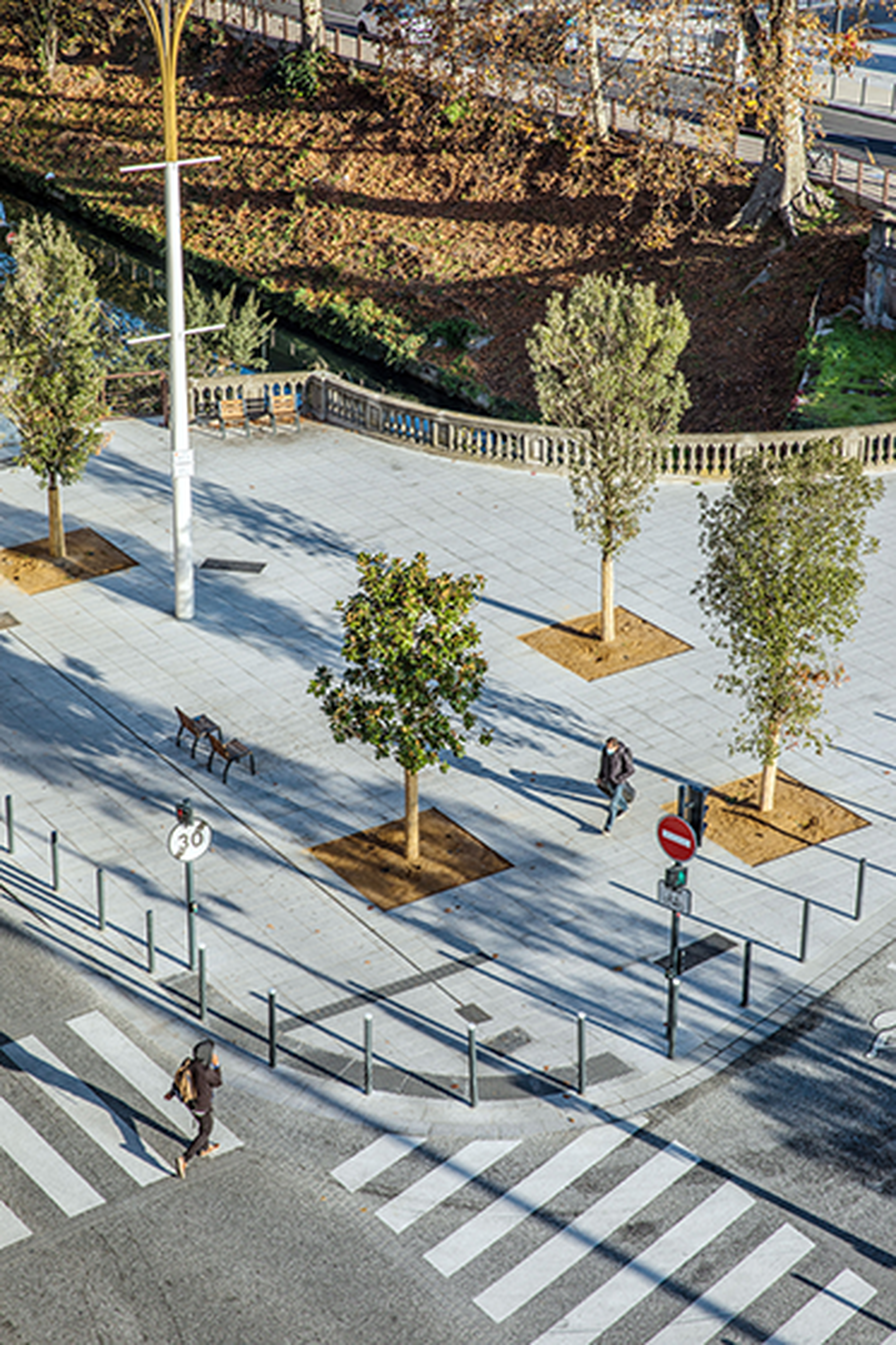
Paving in Tarn Granite
Quartier Matabiau, Toulouse
Street Furniture in Tarn Gros Grain
Kempenstraat, Antwerp
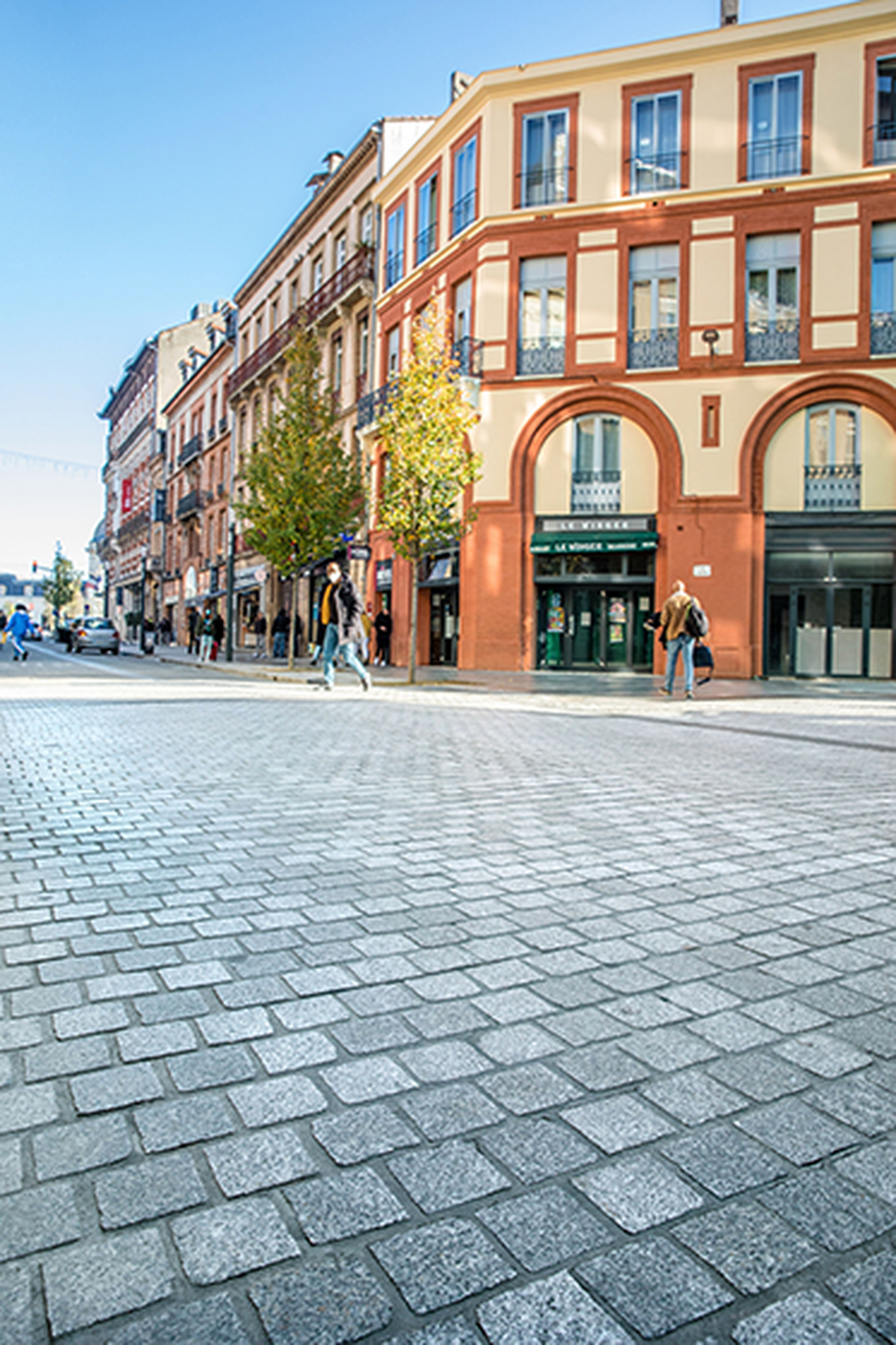
Paving in Tarn Granite
Rue Bayard, Toulouse
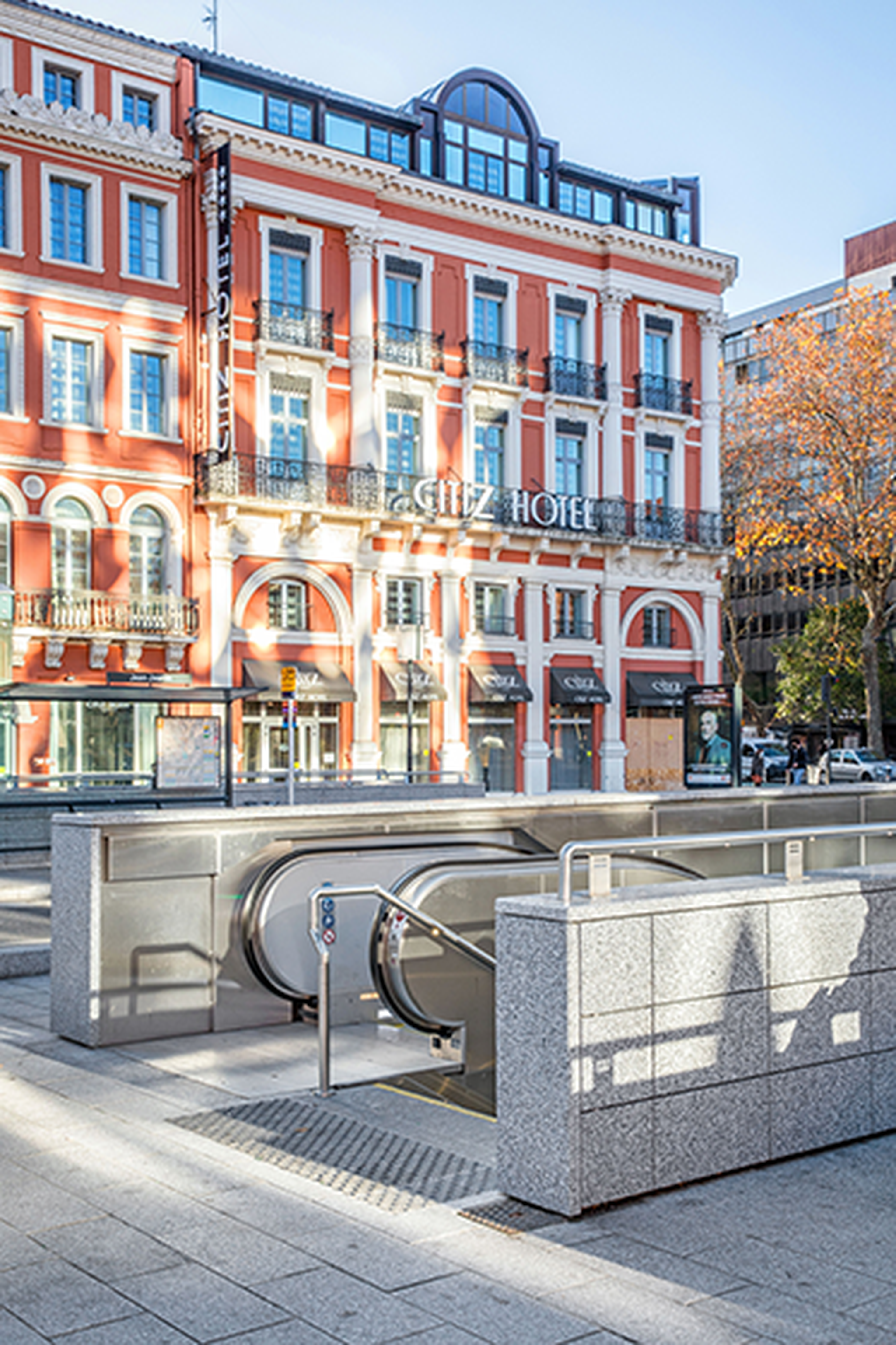
Paving in Tarn Granite
Allées Jean Jaurès, Toulouse
Interested In Tarn Granite? Contact us!
Opening hours
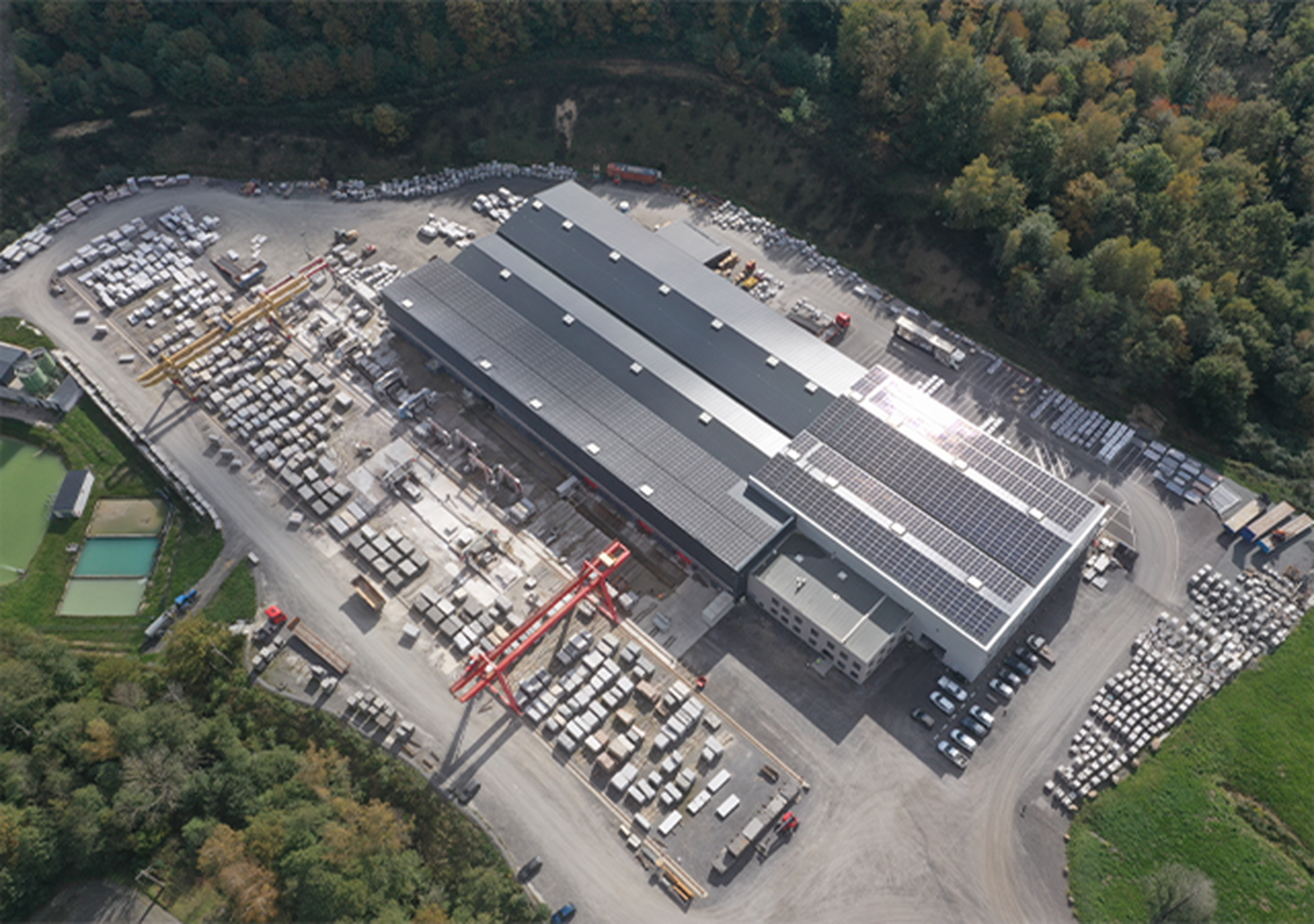
Learn More about Natural Stone Paving
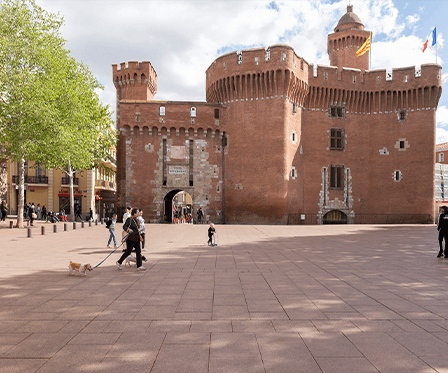
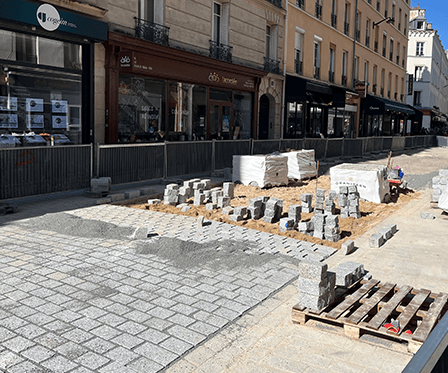
Granitarn, a Trusted Partner for a Sustainable, Local and Beautiful Paris
In Paris, paving stones tell a story — a story of durability, quality, elegance, and local craftsmanship. For several years, Brachot Family Member Granitarn, a French company based in Burlats, has supported the City of Paris in its major urban development projects.