
.jpg.jpeg&w=3840&q=75)
.jpg.jpeg&w=3840&q=75)
.jpg.jpeg&w=3840&q=75)
Finishes
)
)
Bianco Carrara: the iconic white marble from Tuscany
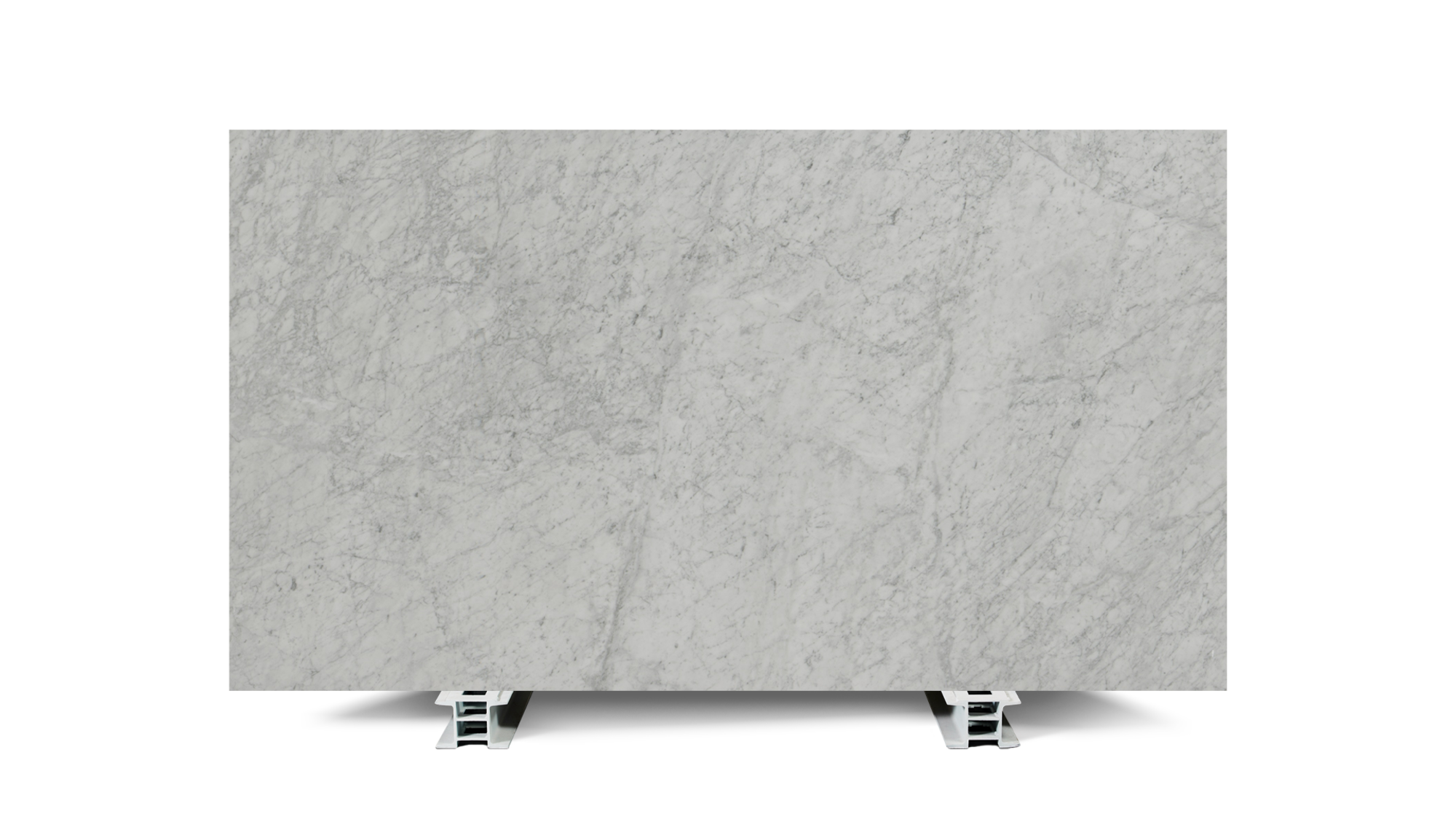
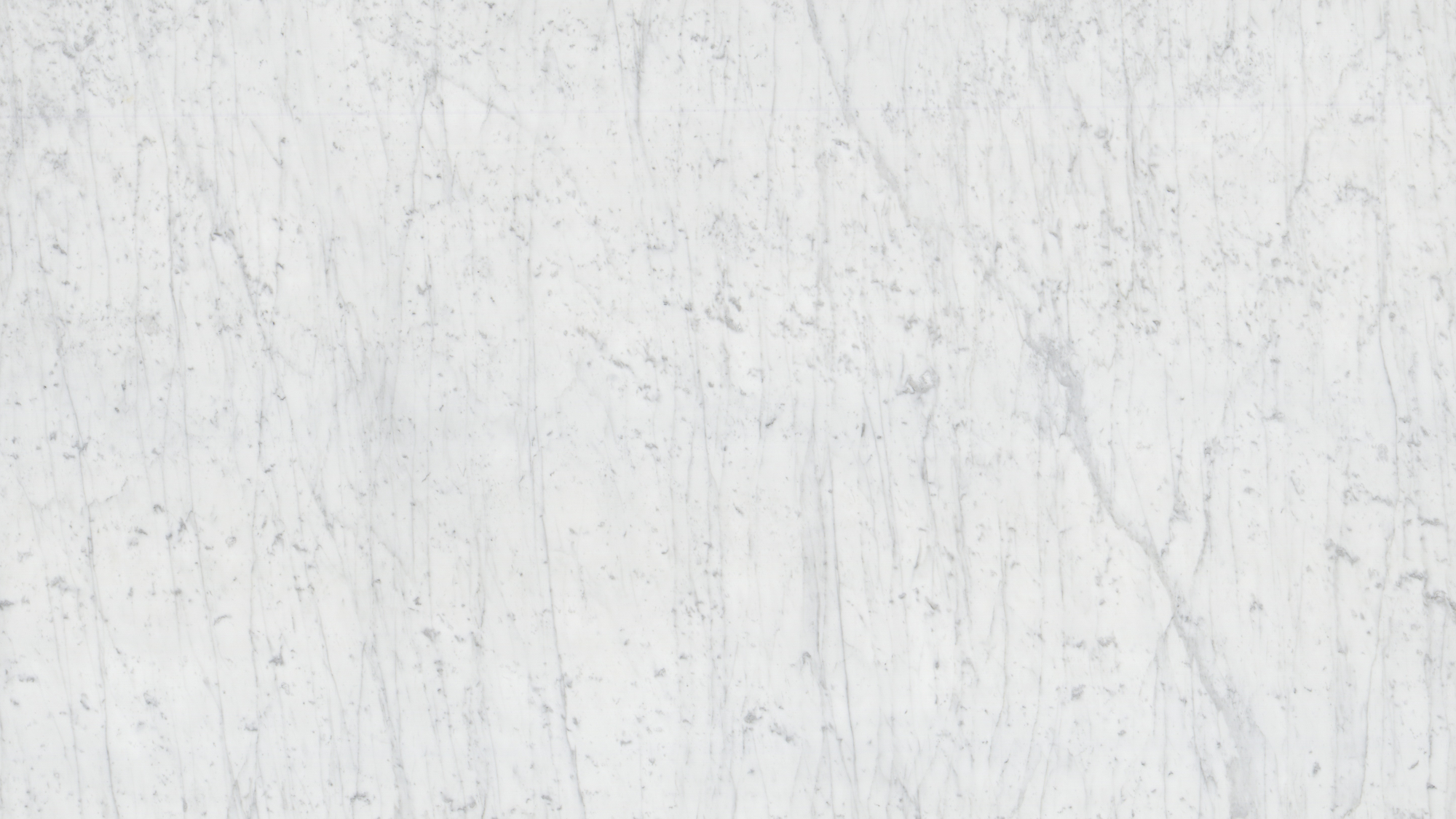
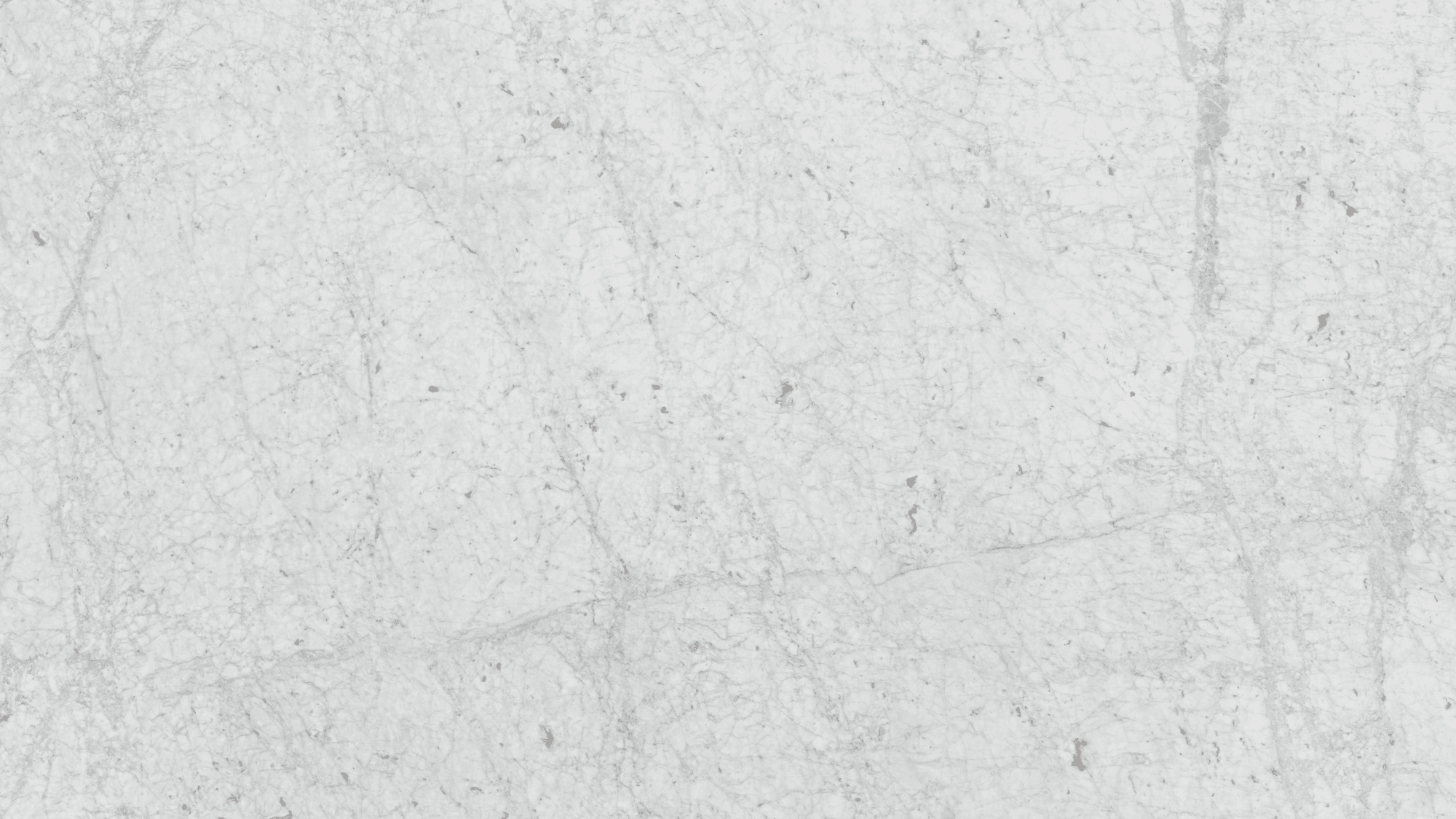
Bianco Carrara is the world's best-known white marble and has been extracted since around 100 BC in the Apuan Alps above the Tuscan town of Carrara. Only marble quarried from these specific sites may carry the Carrara name — just as only sparkling wine from the French Champagne region may carry that name. The material is formed through a metamorphic process in which calcium carbonate from sedimentary rock recrystallises over millions of years. The higher the proportion of calcite crystals in the original rock, the whiter and more uniform the end result. This explains why different grades occur within the same quarry and as a rule, the whiter the background, the more exclusive the material.
Four varieties under one name
Brachot groups four varieties under Bianco Carrara, all with a fine and even grain structure but each with its own background and veining, all available in polished and honed finishes. Bianco Carrara S Extra has the whitest background, with a subtle blue undertone and the occasional faint, dark vein. Bianco Carrara S shows a white to white-grey background with the same subtle blue undertone and occasional faint, dark veins. Bianco Carrara C Extra follows a similar white to white-grey character, with a subtle blue undertone and occasional faint, dark veins. Bianco Carrara C has a more pronounced grey-white background with a subtle blue undertone and the same occasional faint, dark veins. Available in polished and honed finishes.
Technical properties and applications
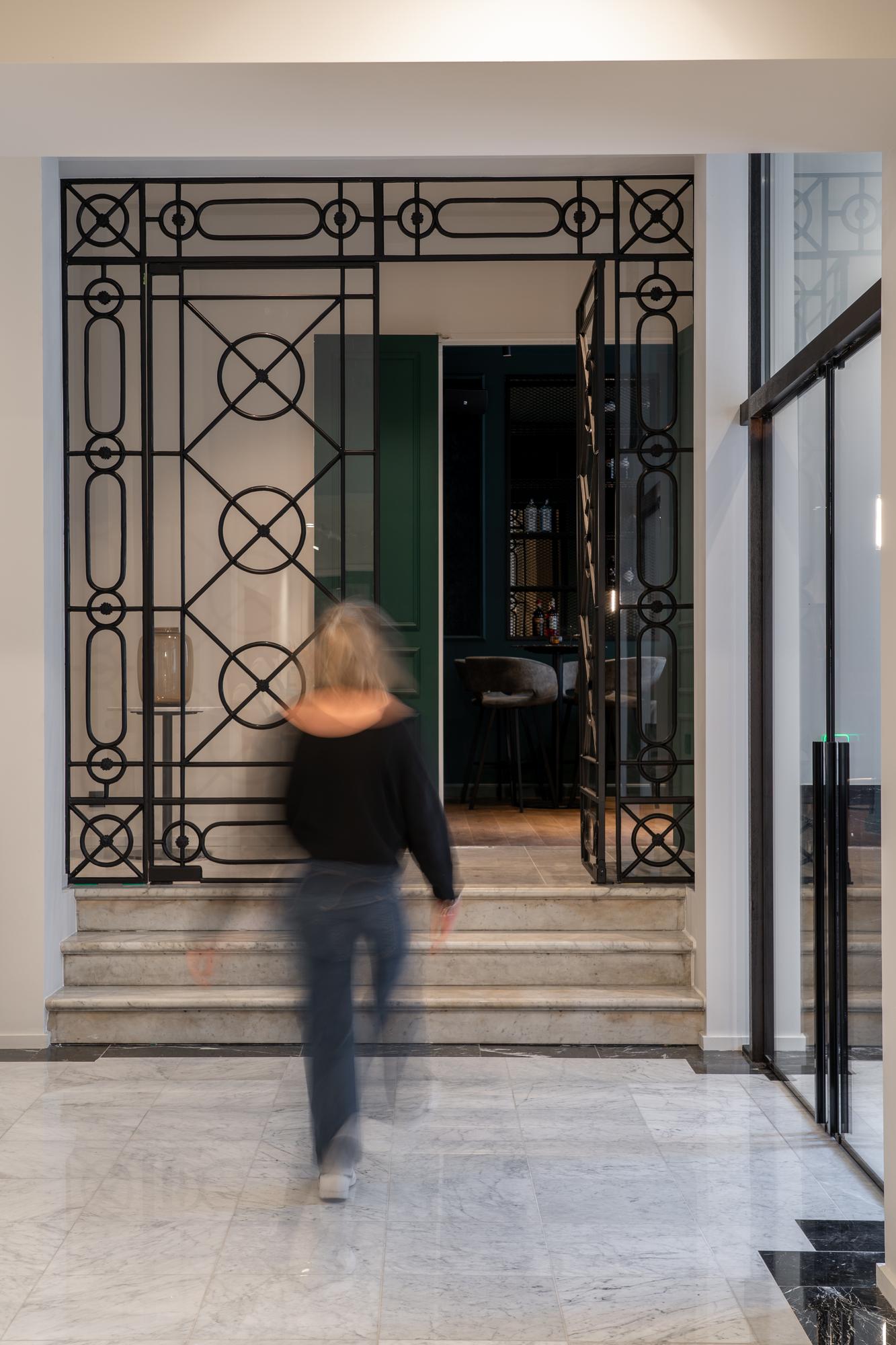
Bianco Carrara is primarily suited to interior applications such as window sills, floors, wall cladding and bathroom vanity tops. The material is not naturally acid- or scratch-resistant, so for kitchen worktops a honed finish is recommended, as it makes any acid etching far less visible than a polished surface. Small surface pits ("taroli") and natural variations in colour, structure and veining are characteristic of the stone and have no technical impact. Exterior use is technically possible (Bianco Carrara is frost-resistant), but less commonly advised due to the risk of yellow-brown discolouration over time, caused by oxidation of finely distributed iron minerals reacting with moisture.
Why Bianco Carrara?
- Authentic origin from the Apuan Alps — only marble from the Carrara quarries may carry this name
- Four varieties under one name: from the whitest background (S Extra) to a more pronounced grey-white (C), all with a fine, even grain
- Proven durability across centuries, with references ranging from the Parthenon to Michelangelo's David
- Versatile for interior use: window sills, floors, wall cladding and bathroom vanity tops, with honed finish recommended for kitchen worktops
- Available in polished and honed finishes, for both sleek contemporary projects and more understated applications