14 alternatives to Taj Mahal quartzite
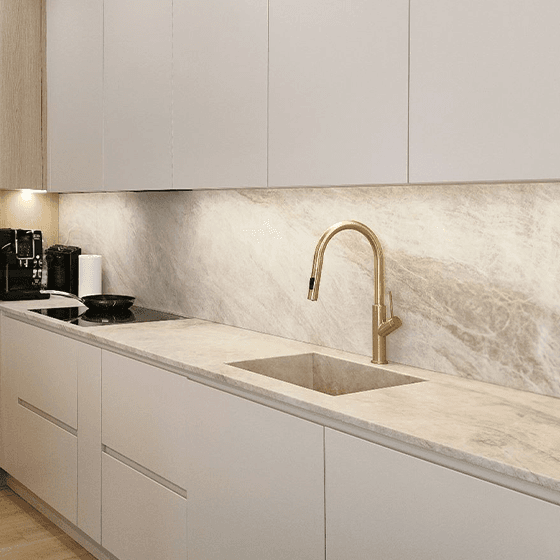
Taj Mahal quartzite is one of the most requested materials for kitchens and bathrooms: a cream base with soft, golden-beige veining. Still, there are good reasons to look further. You may need a different thickness, a specific finish or simply your own take on that warm look.
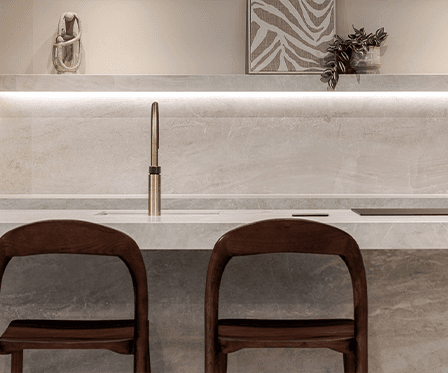
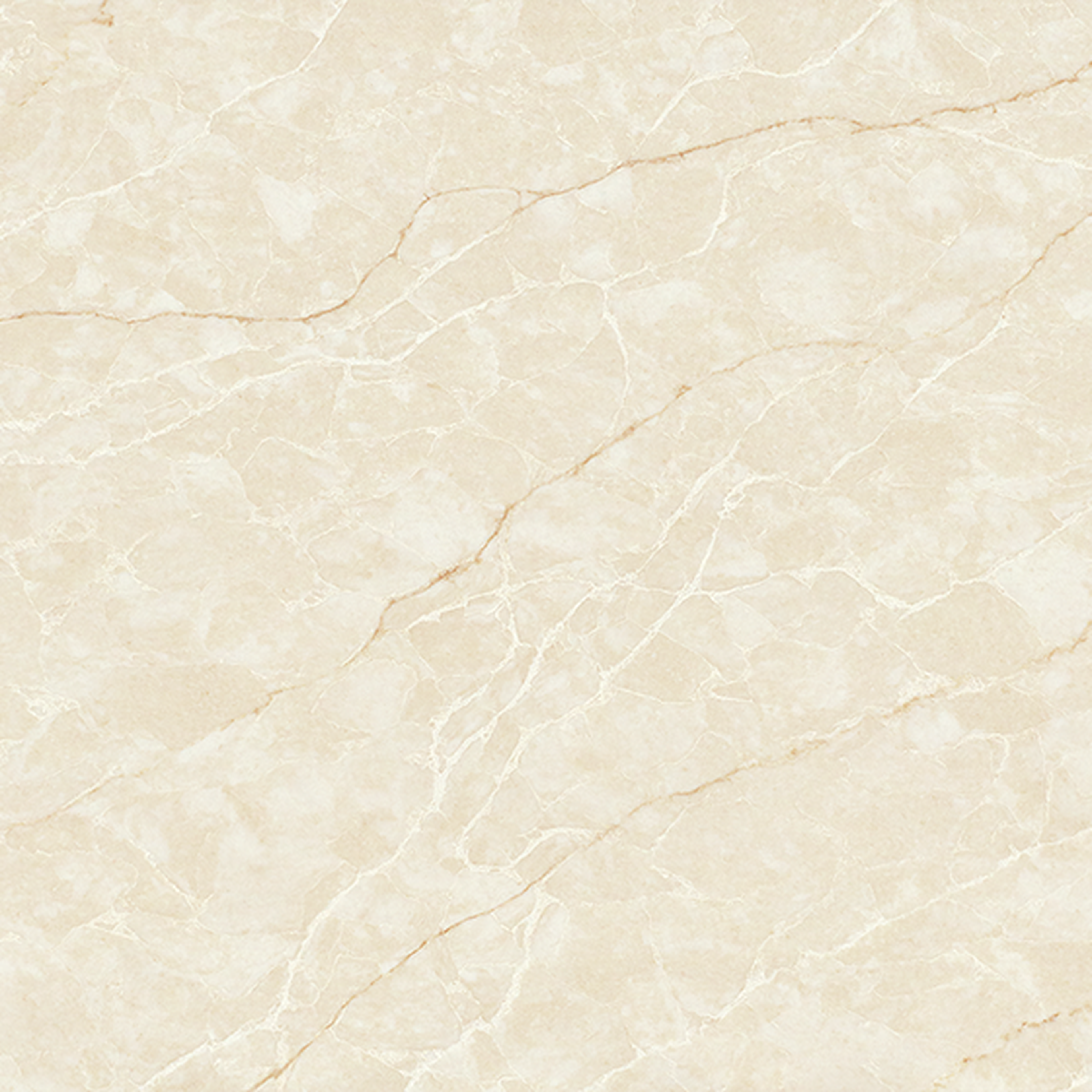
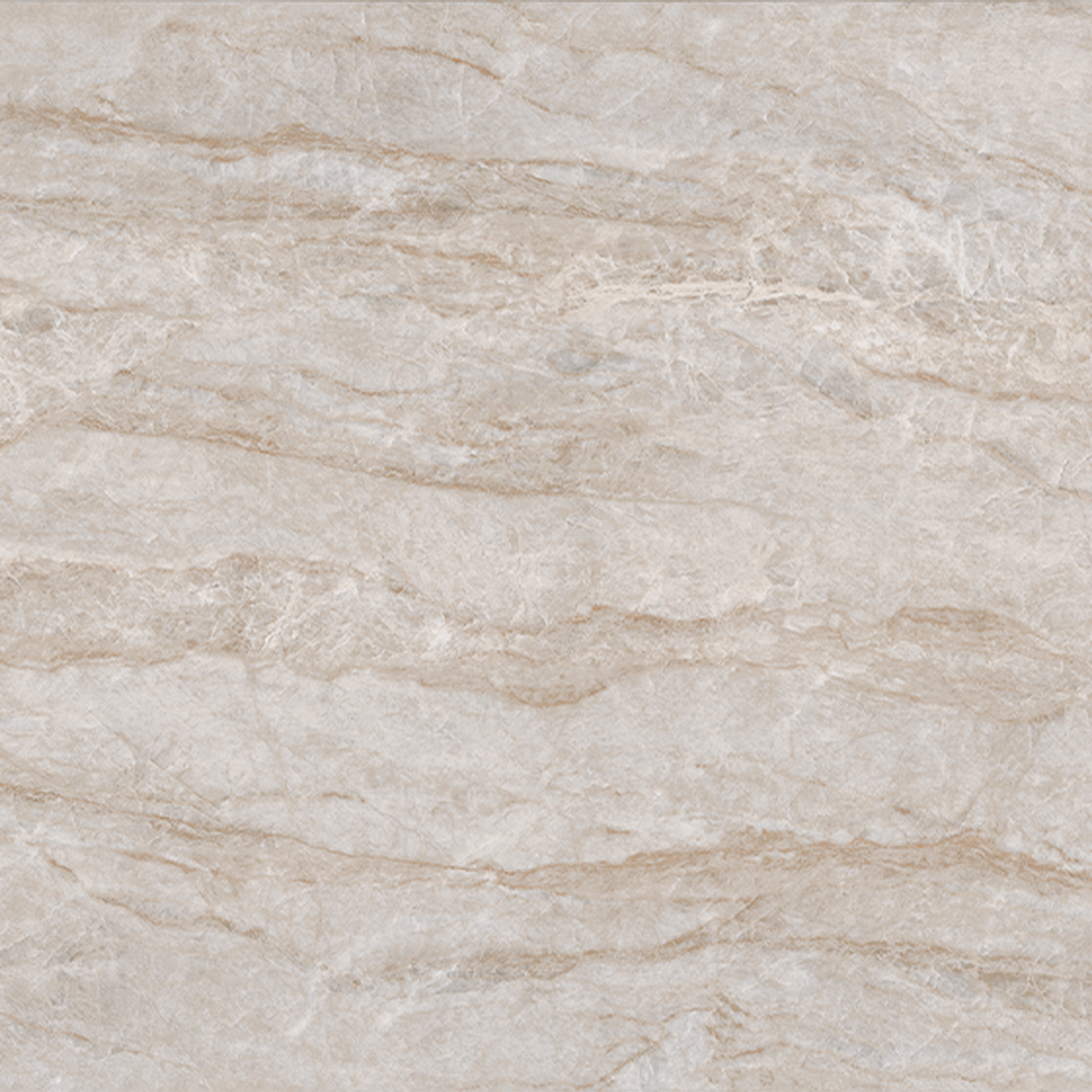
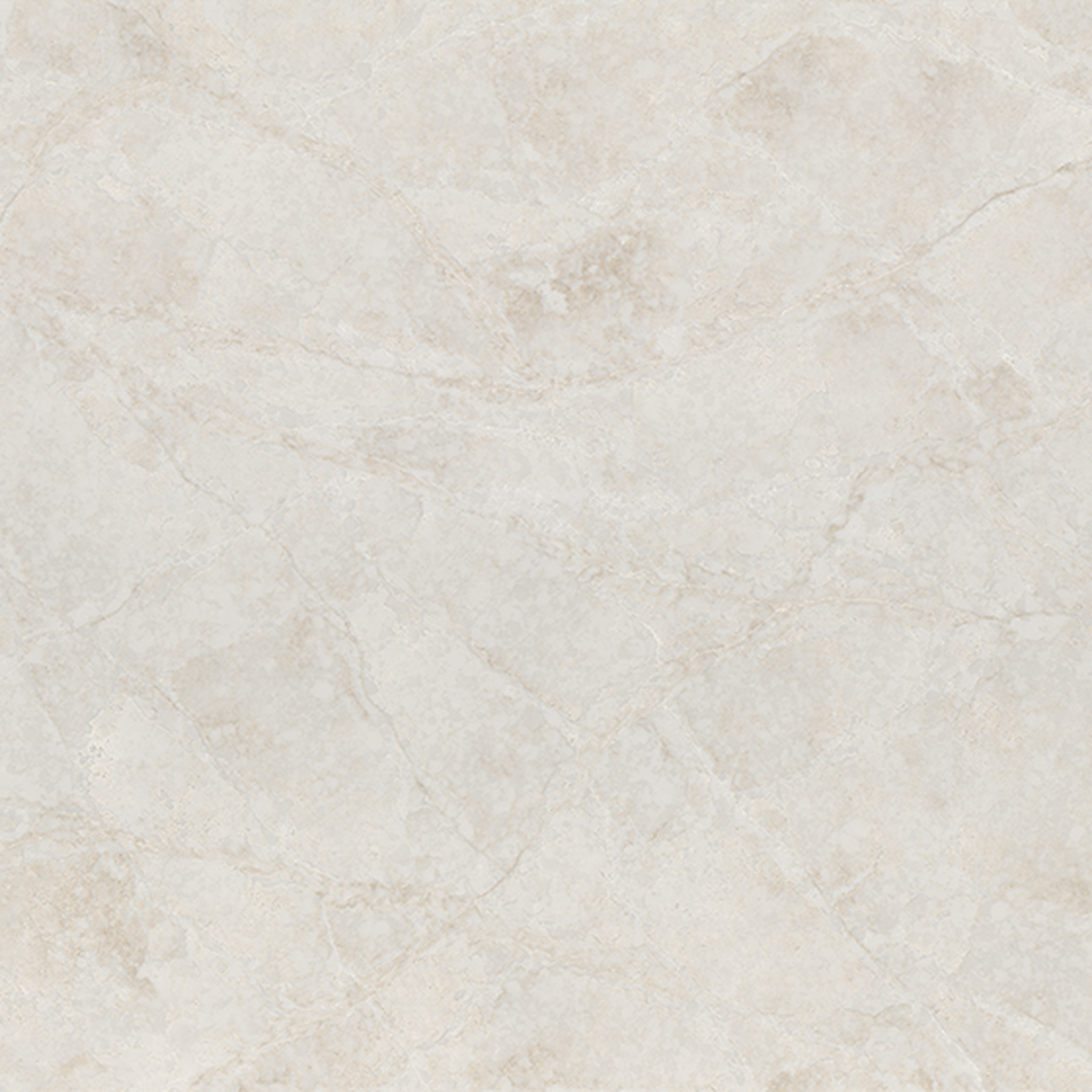
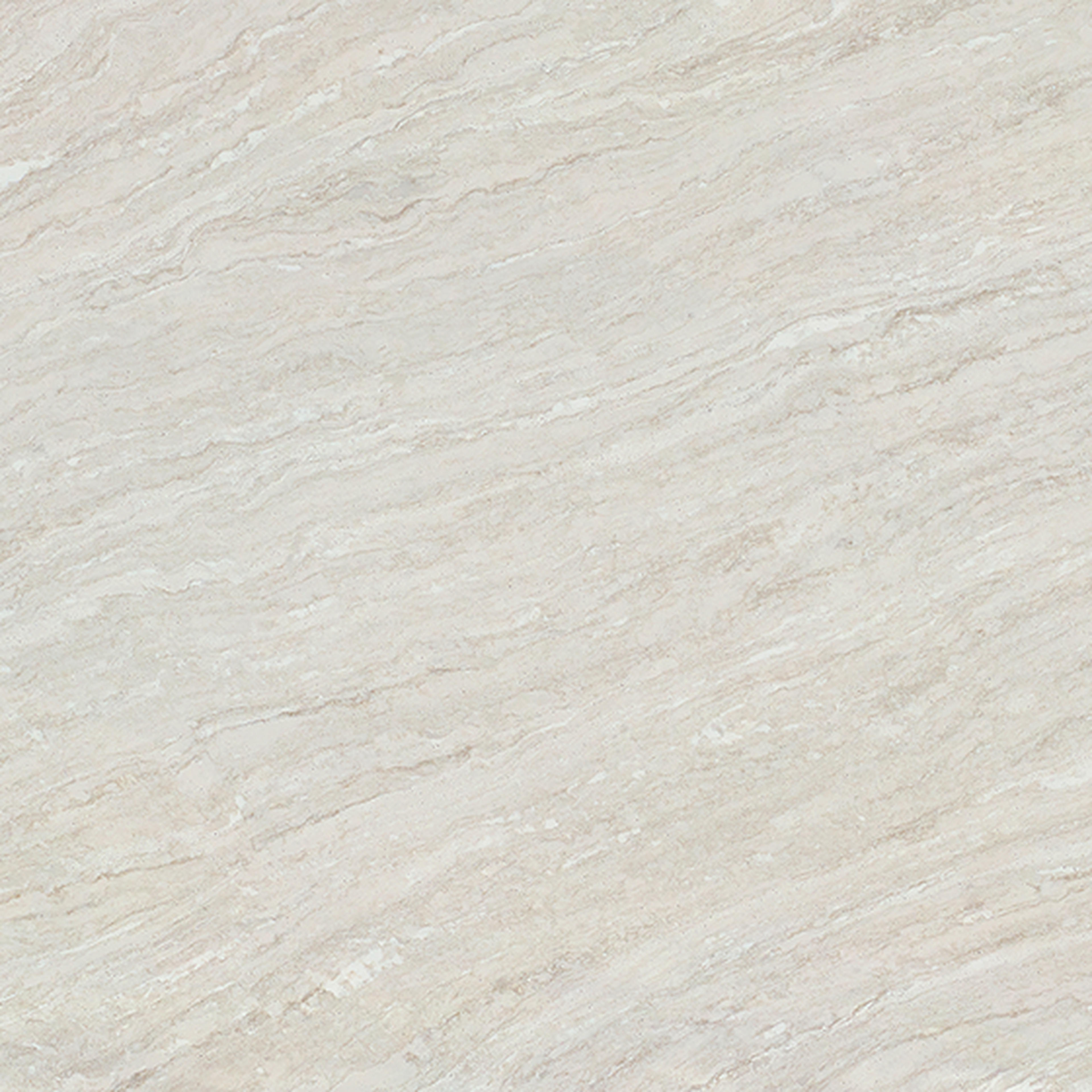
Short answer: to get as close as possible to Taj Mahal, choose BQS Taj Mahal, Unistone Taj Mahal or Uniceramica Taj Mahal. New to the range are Uniceramica Perla Santana, with a grey-green undertone and the same craquelé effect as Taj Mahal, and Uniceramica Makrana, with warmer veining that suits walnut and copper. If you want genuine natural stone with the same warmth, look at Travertino Romano Classico Super or Travertino Alabastrino. For a more luxurious option, there are Lasa Dune and Cristallo Traslux.
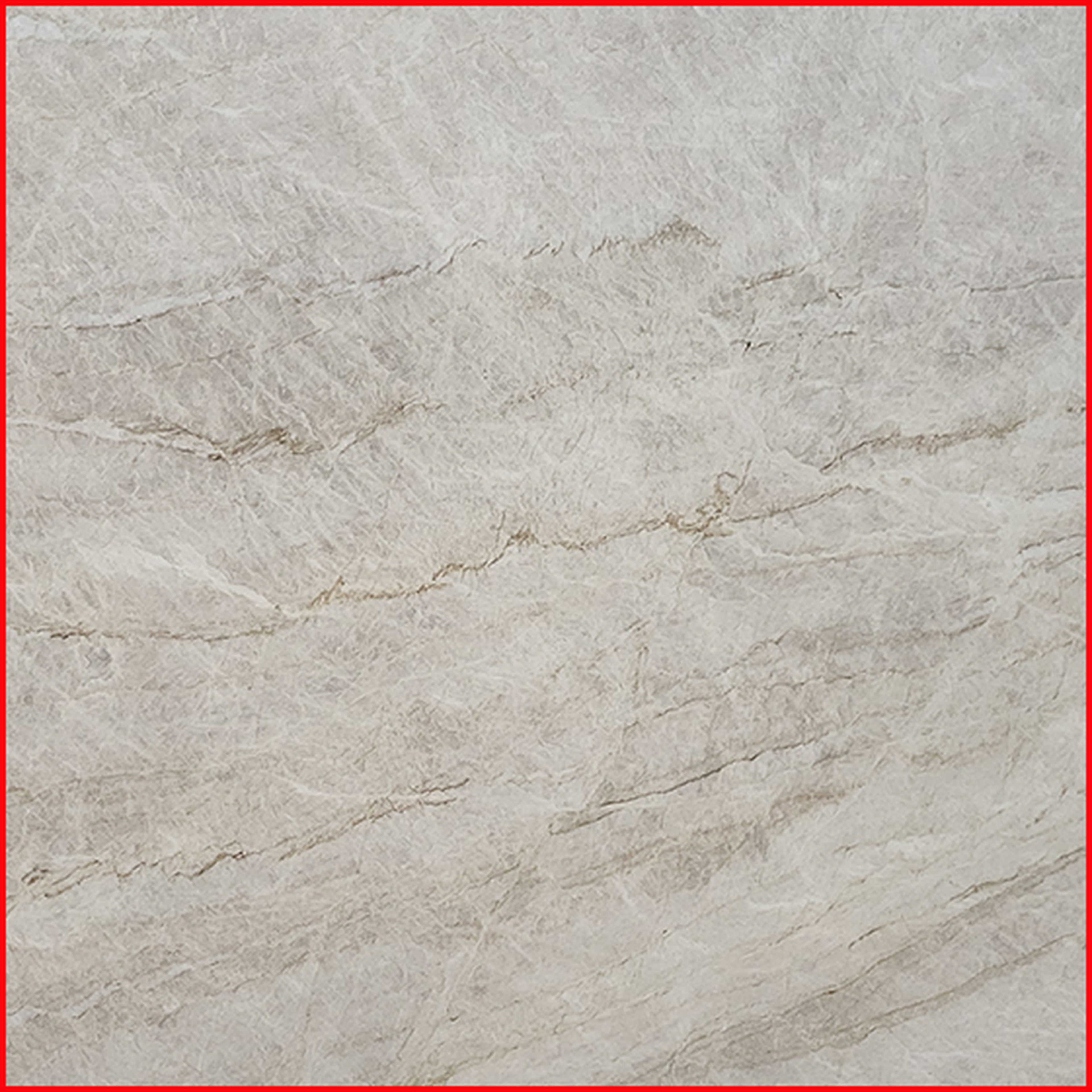
The original: Taj Mahal quartzite
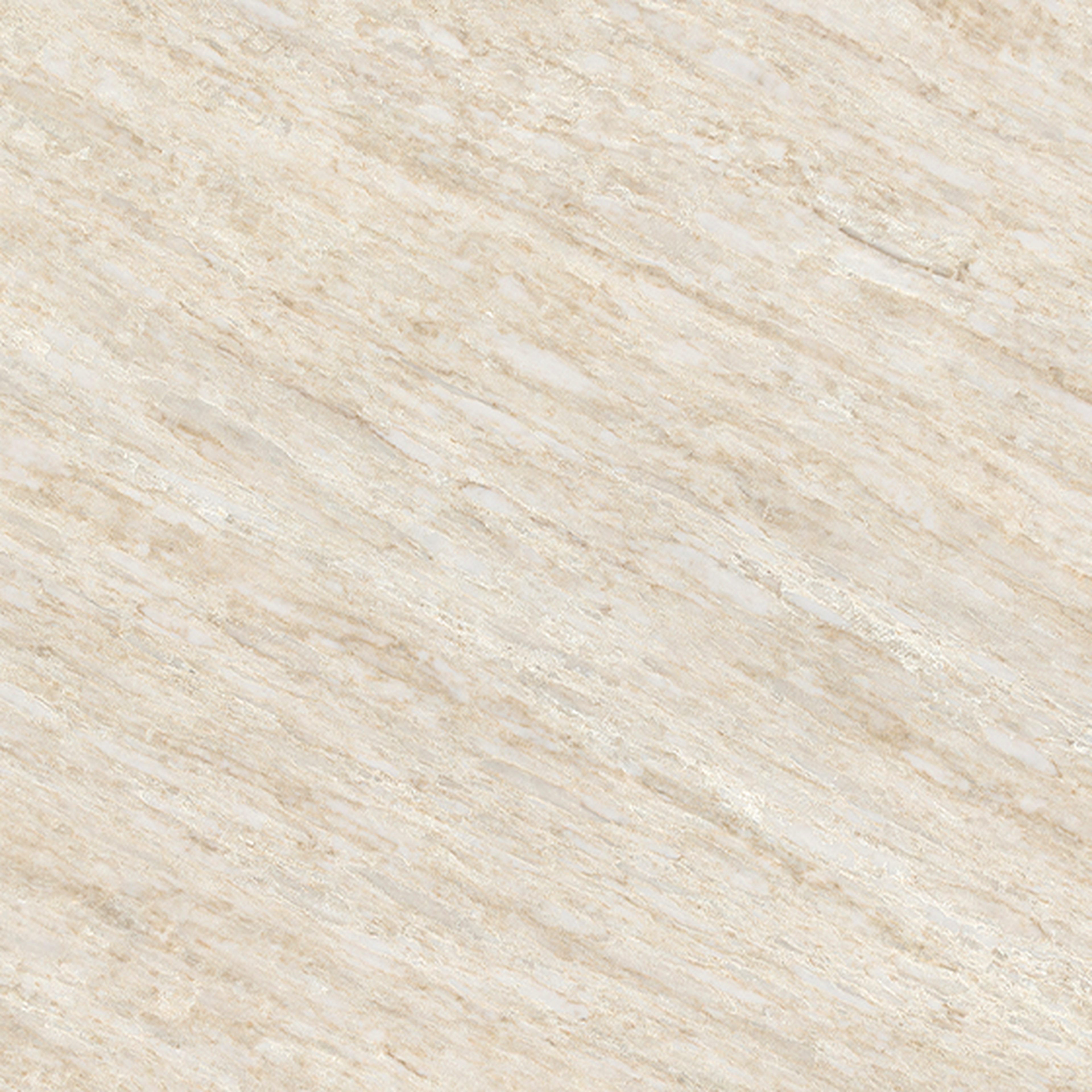
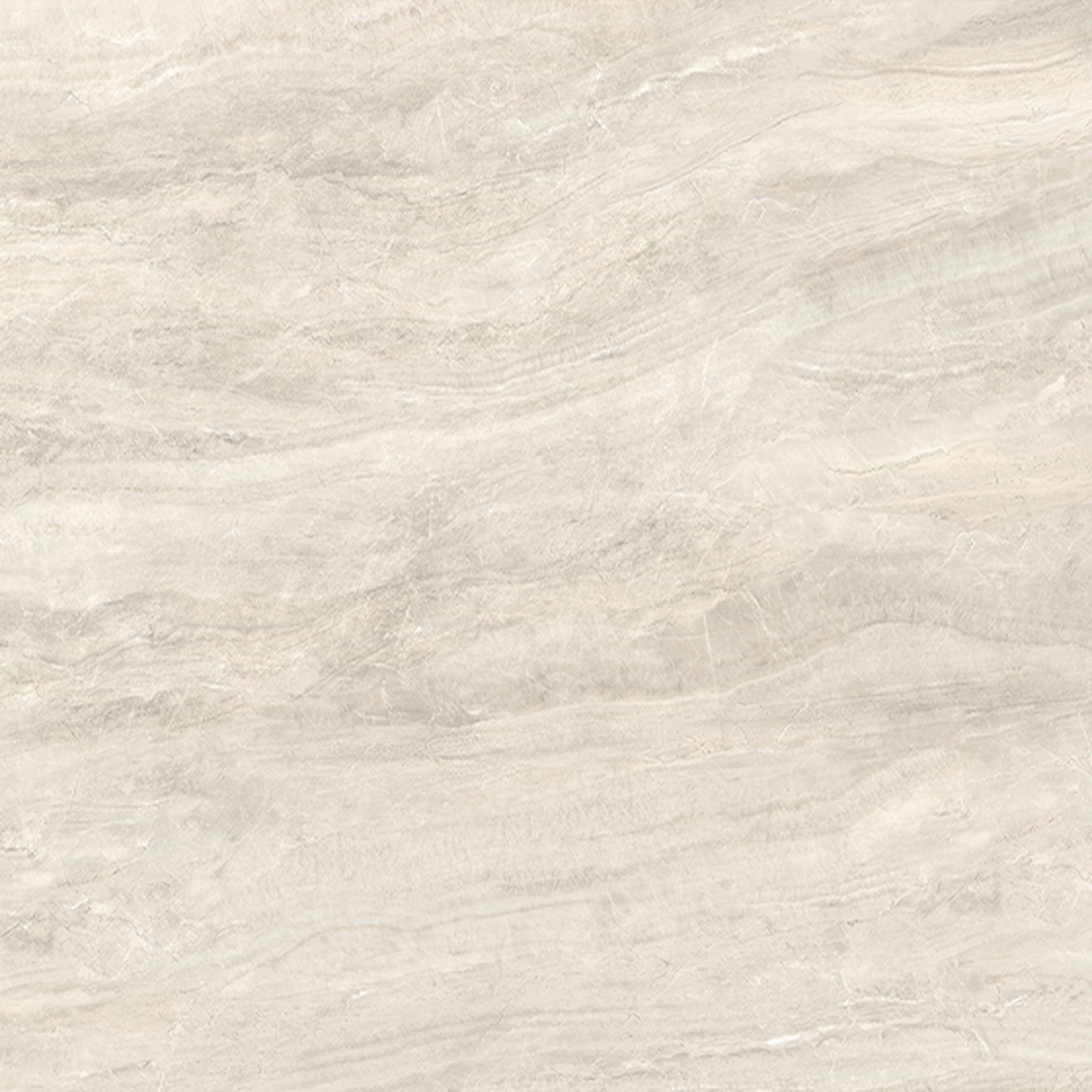
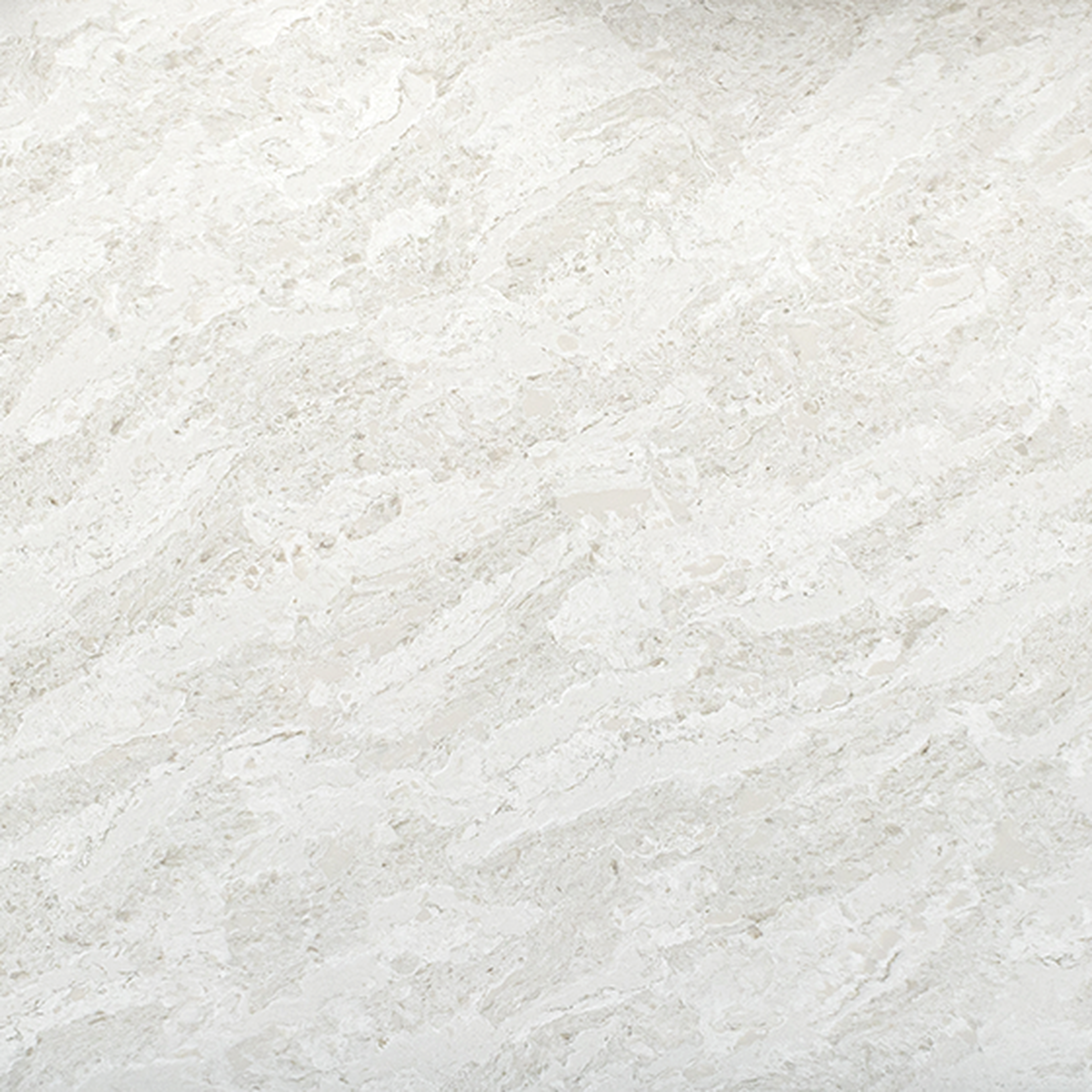
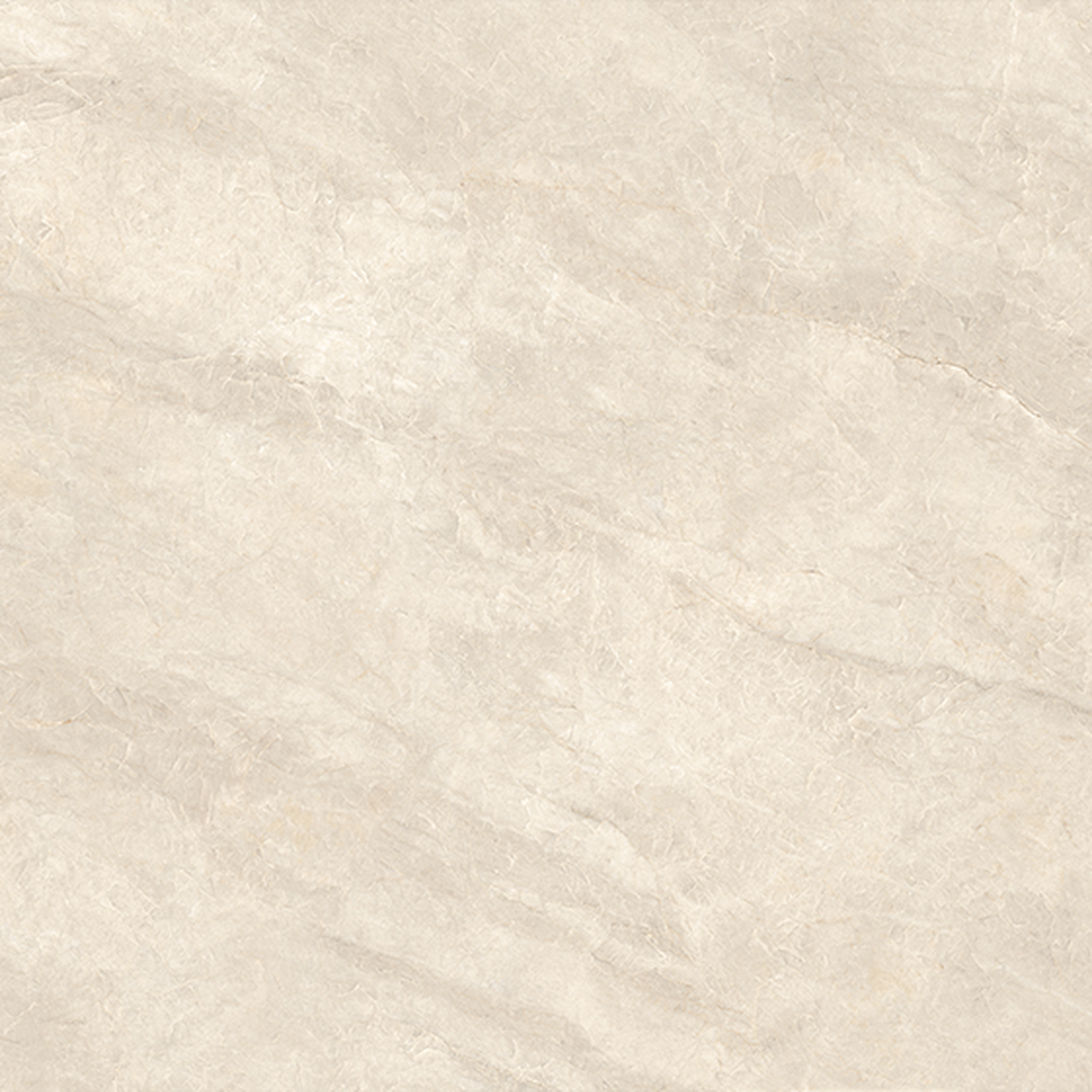
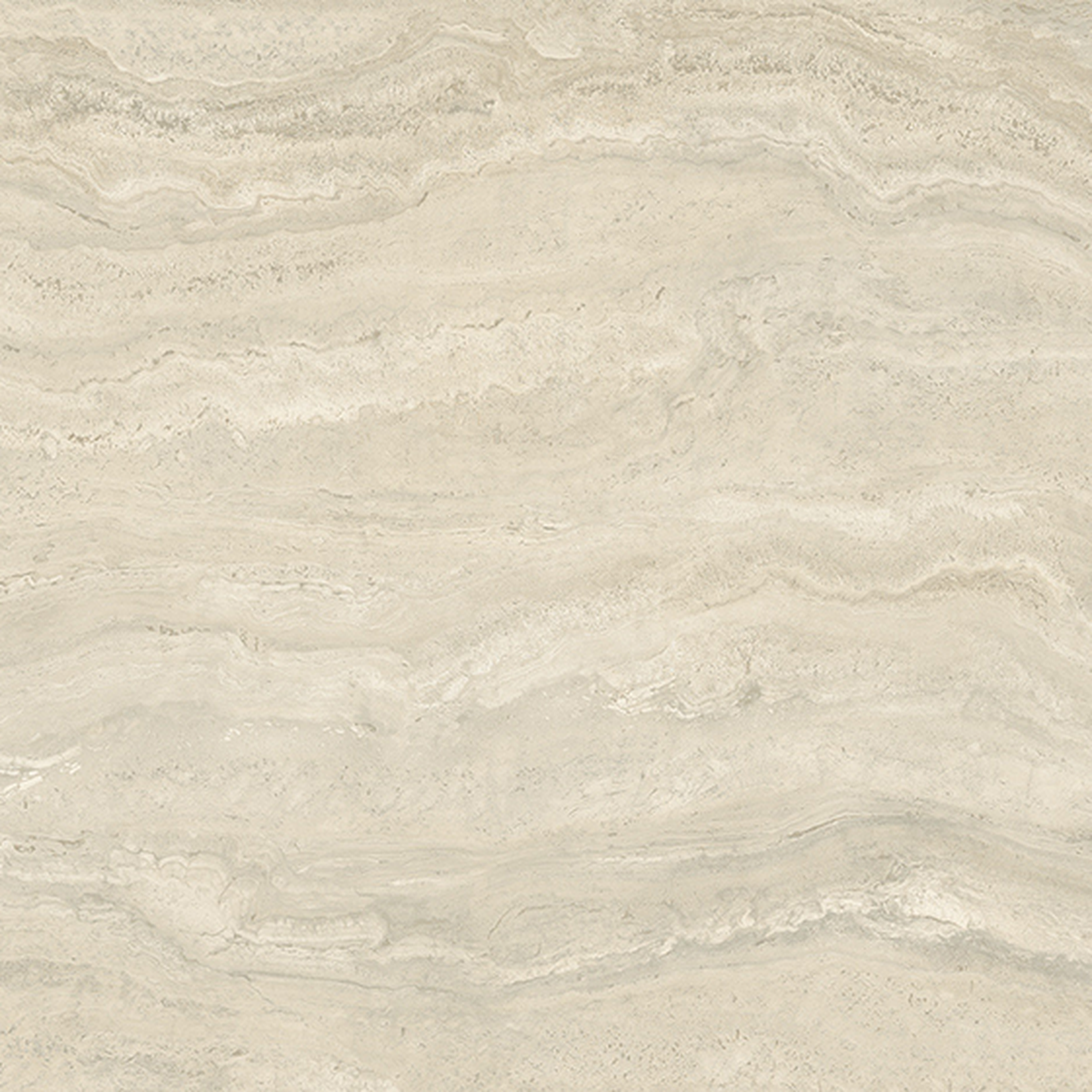
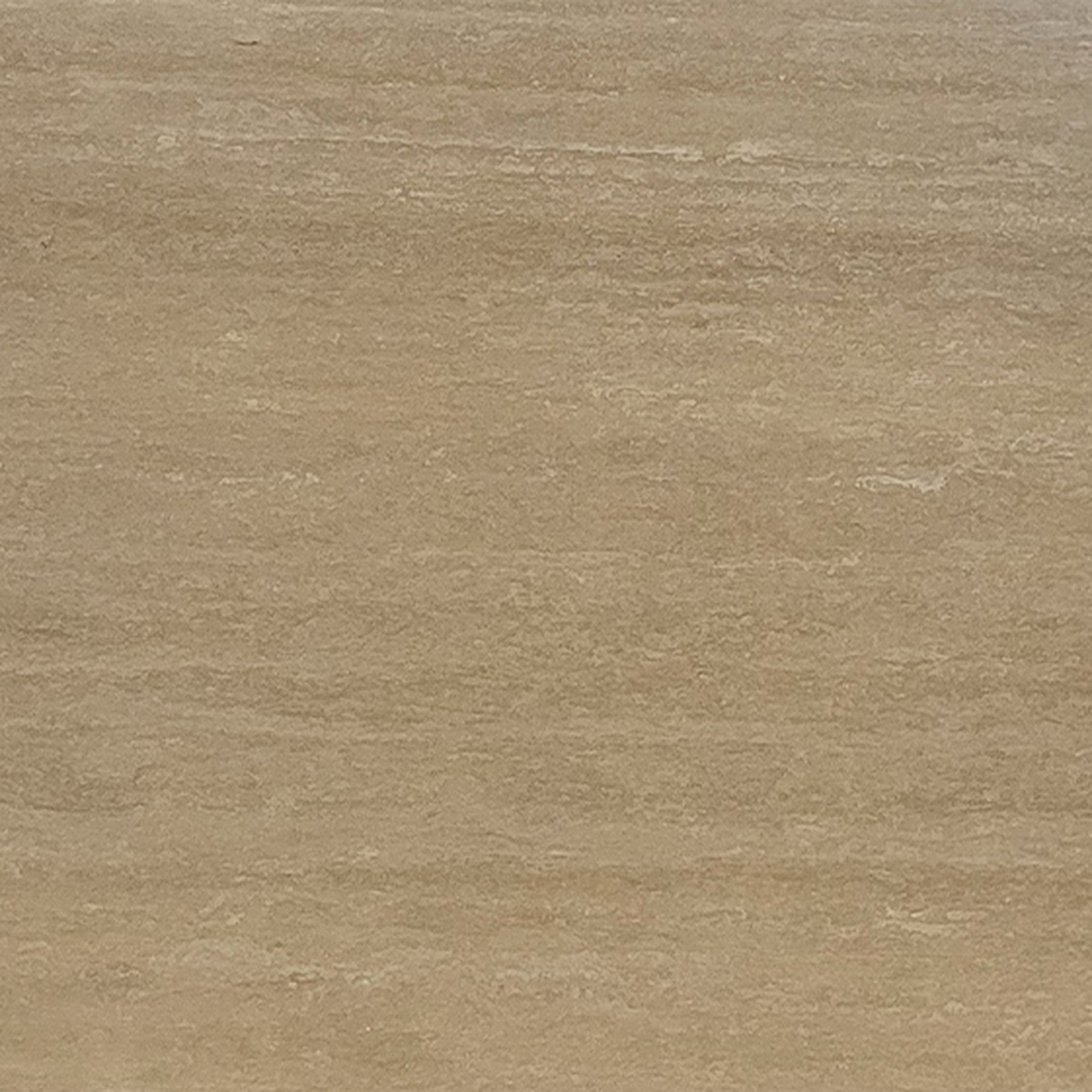
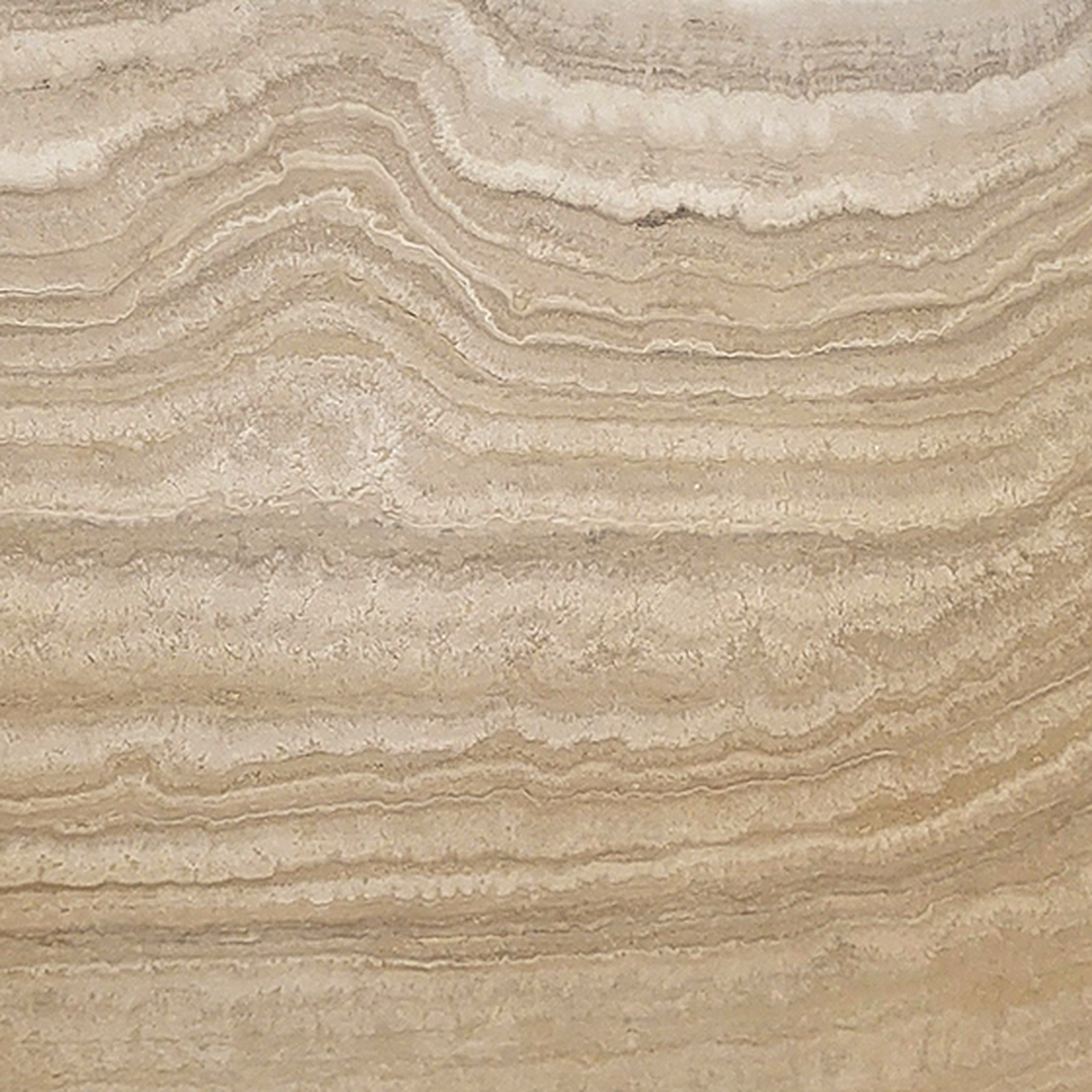
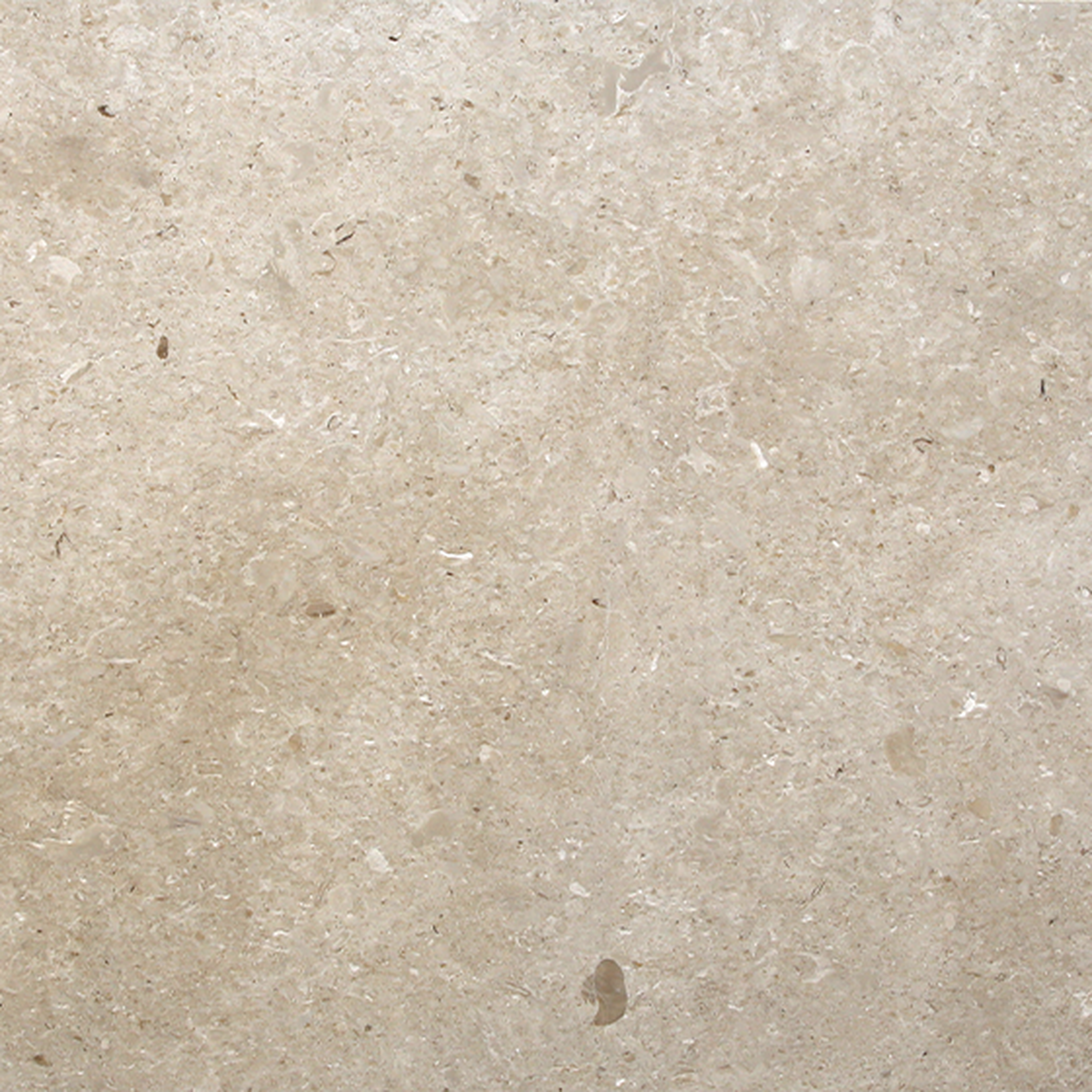
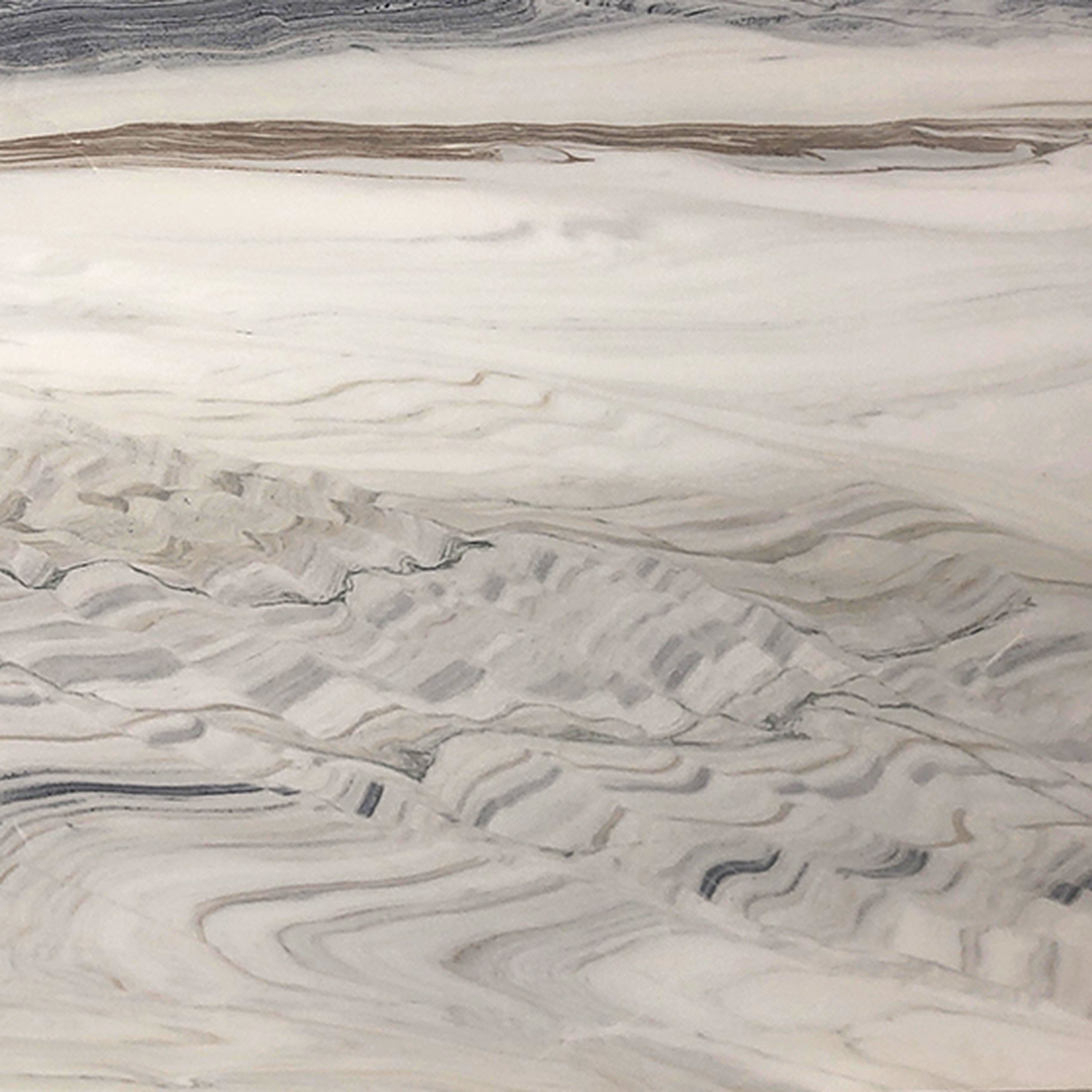
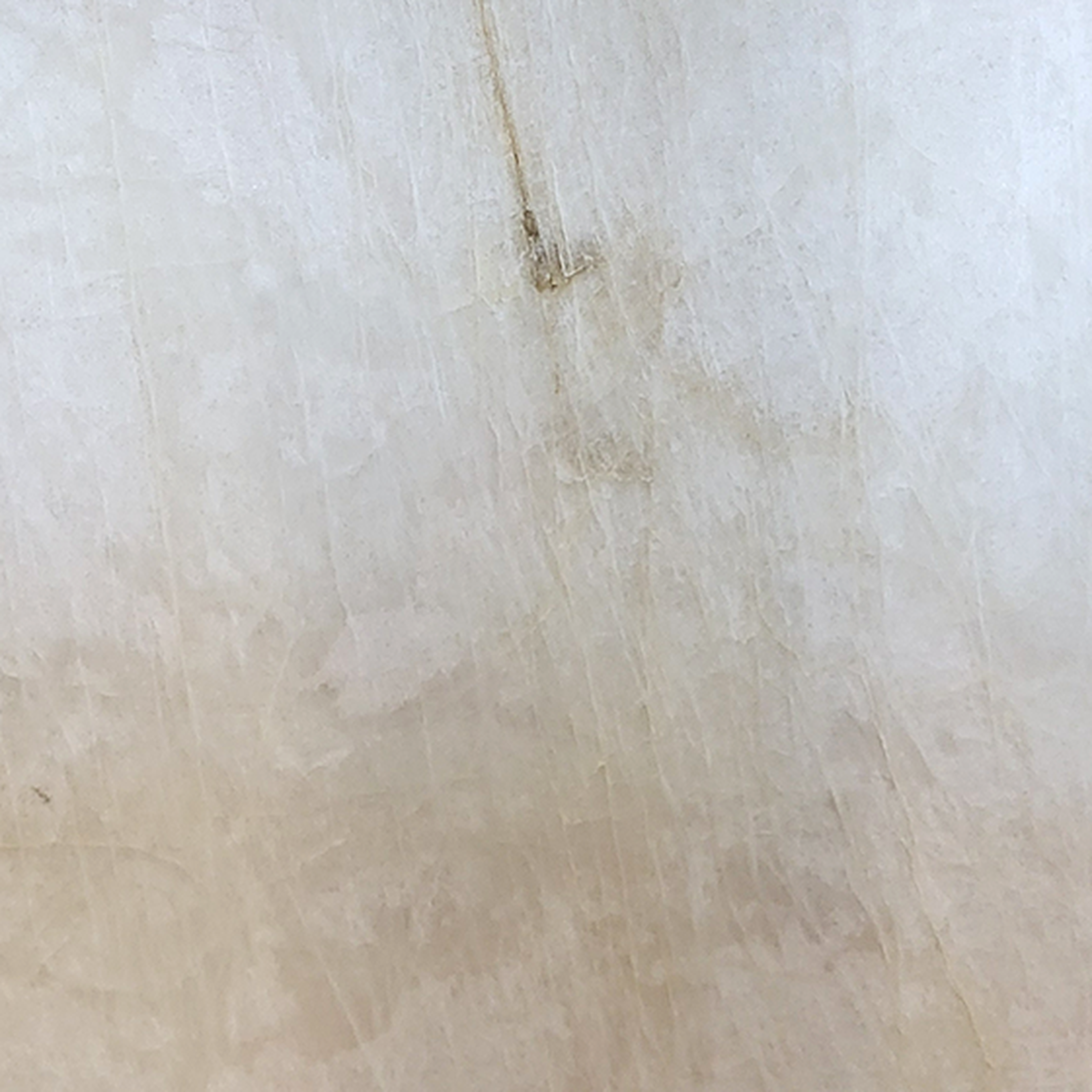
Taj Mahal in quartz and porcelain
These three are not natural stone. They are interpretations of Taj Mahal in composite materials: BQS® and Unistone® are quartz composites, Uniceramica® is porcelain. The pattern is consistent from slab to slab, and they need less care than natural stone. Each one takes a different angle on the original look.
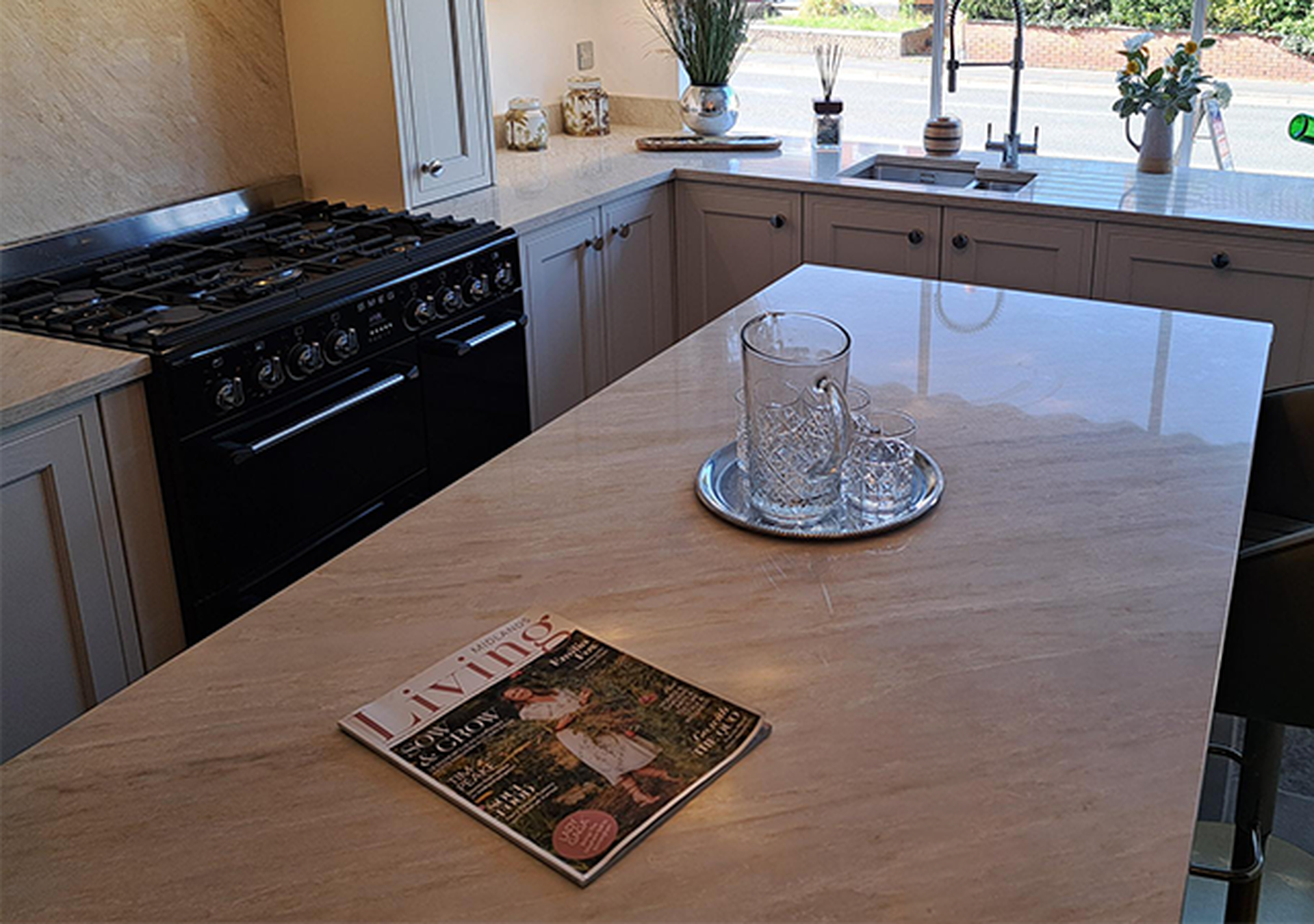
The boldest version: a busy, striped pattern with abundant veining. For those who want the movement of Taj Mahal with a little more intensity.
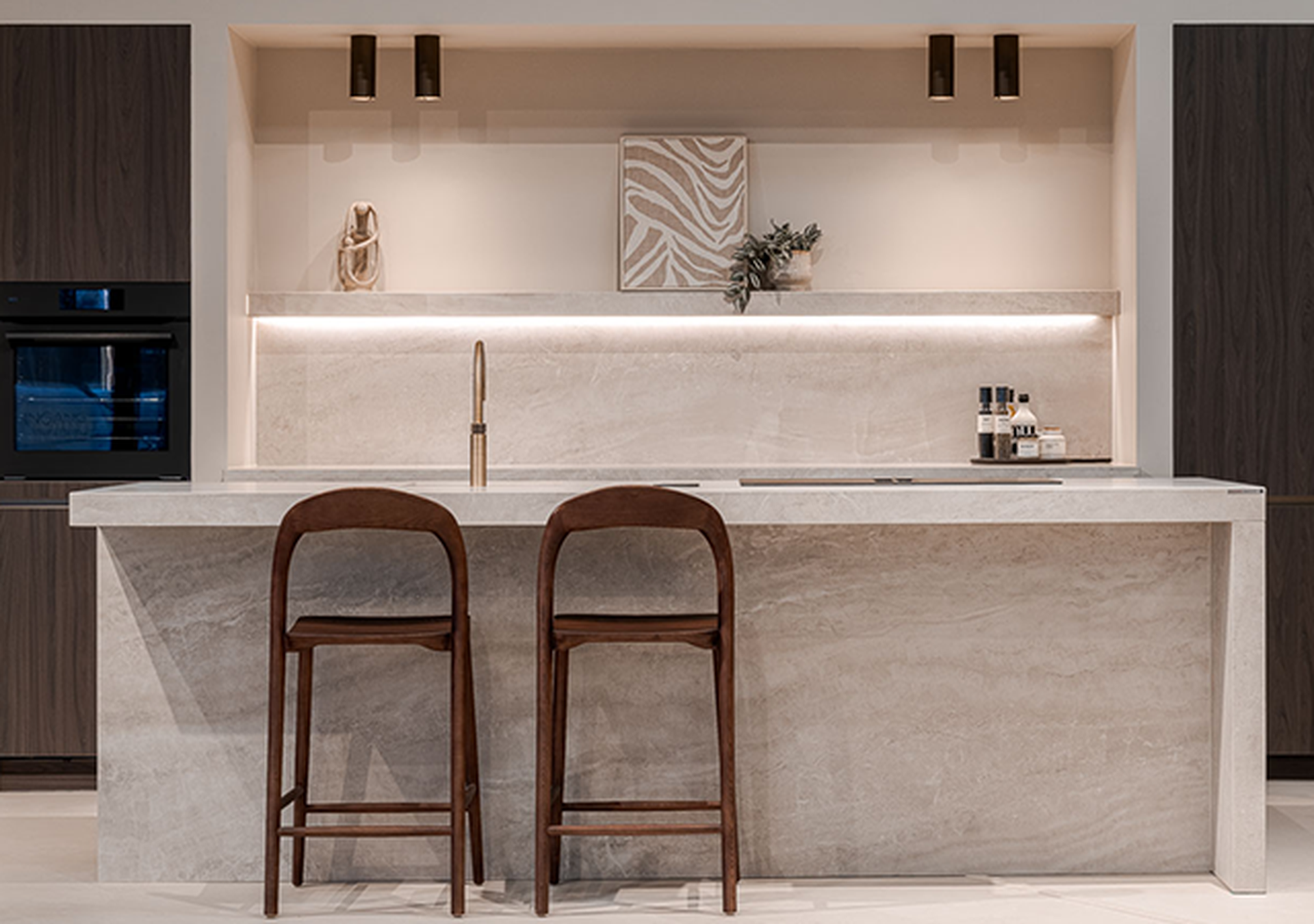
Leans towards grey-beige, with flowing movement in greige. At 0.6 cm it also suits walls and furniture cladding, and it comes as XL tiles.
Porcelain · 0.6, 1.2 and 2 cm · also XL tiles · A and B slabs, bookmatch possible
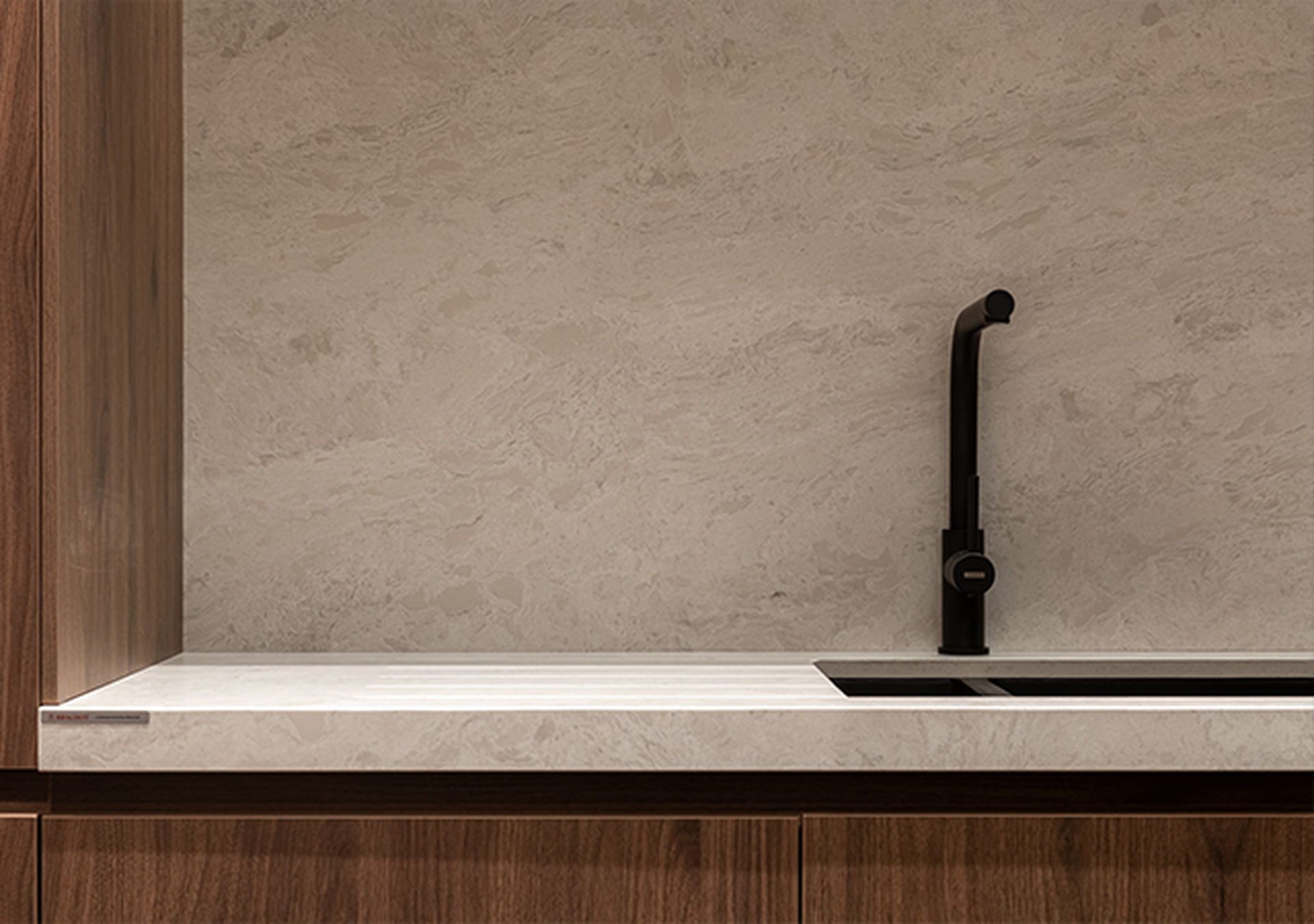
Very light, with a speckled pattern and a calm look. The choice if you want the feel of Taj Mahal without pronounced veining.
Warmer beige and cream
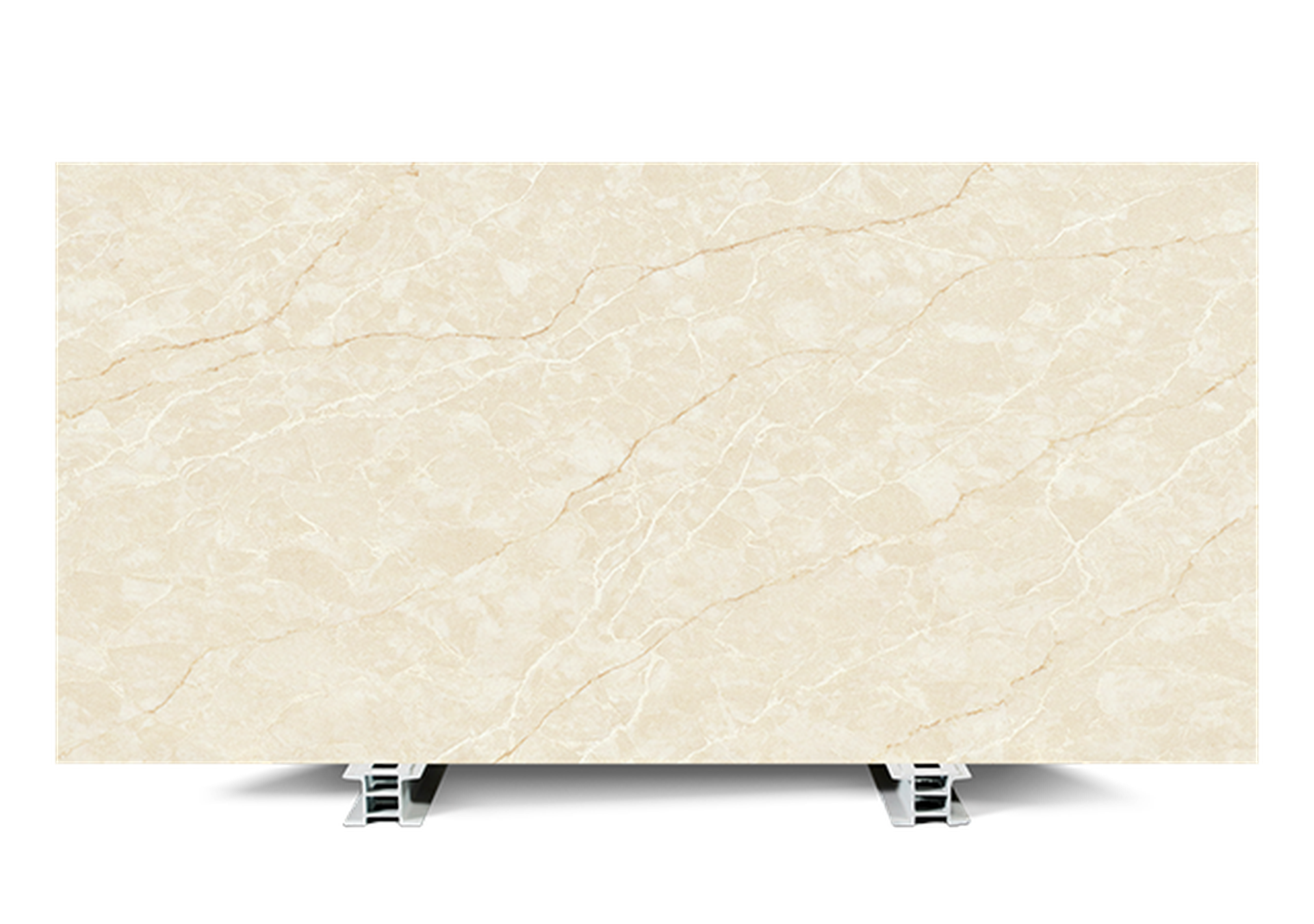
Cream-coloured with a darker vein. At its best alongside dark woods.
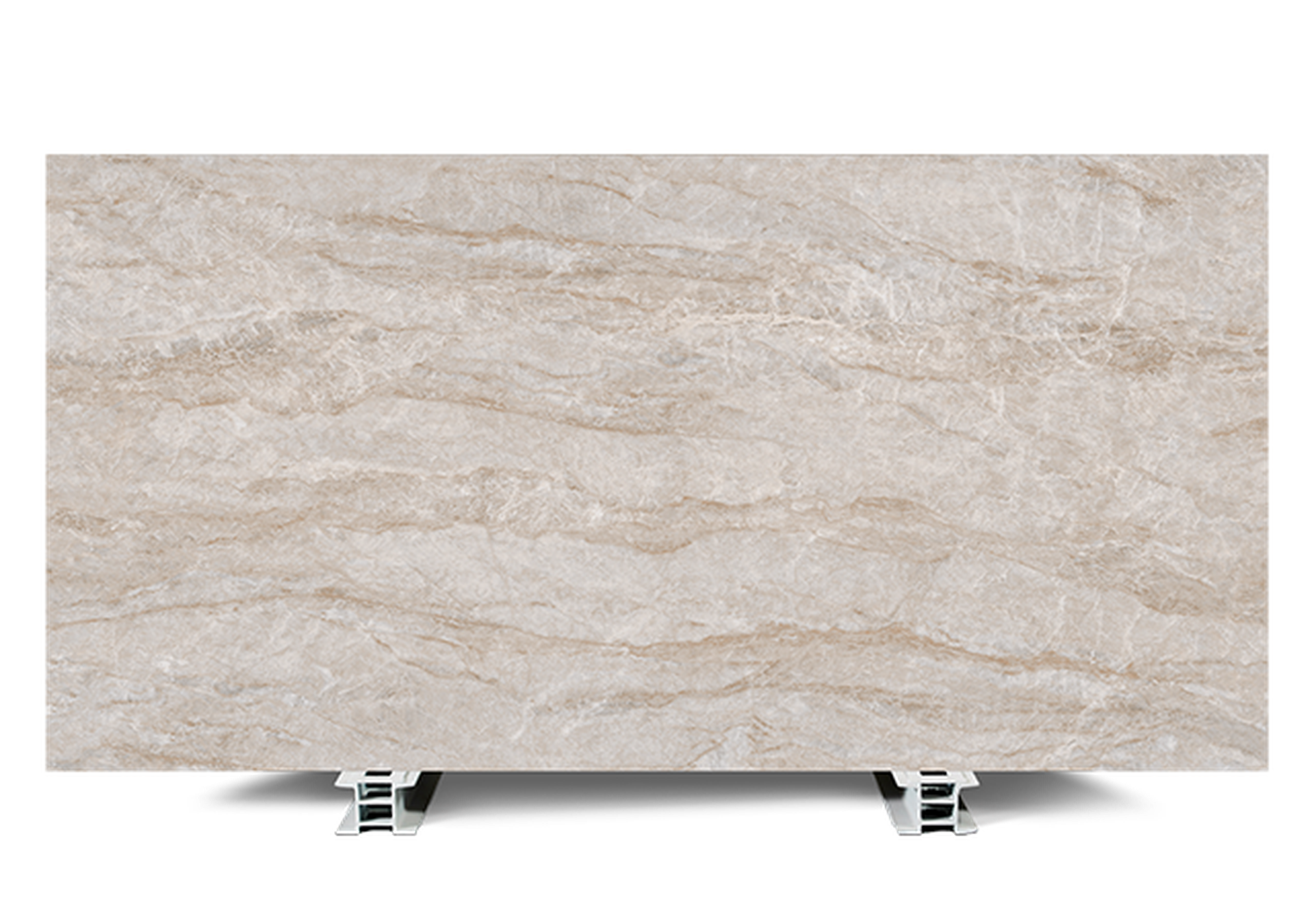
Slightly browner veining, often paired with walnut and other brown woods. Also works beautifully with copper taps.
Porcelain · 1.2 and 2 cm · naturale · A & B slabs, bookmatch possible
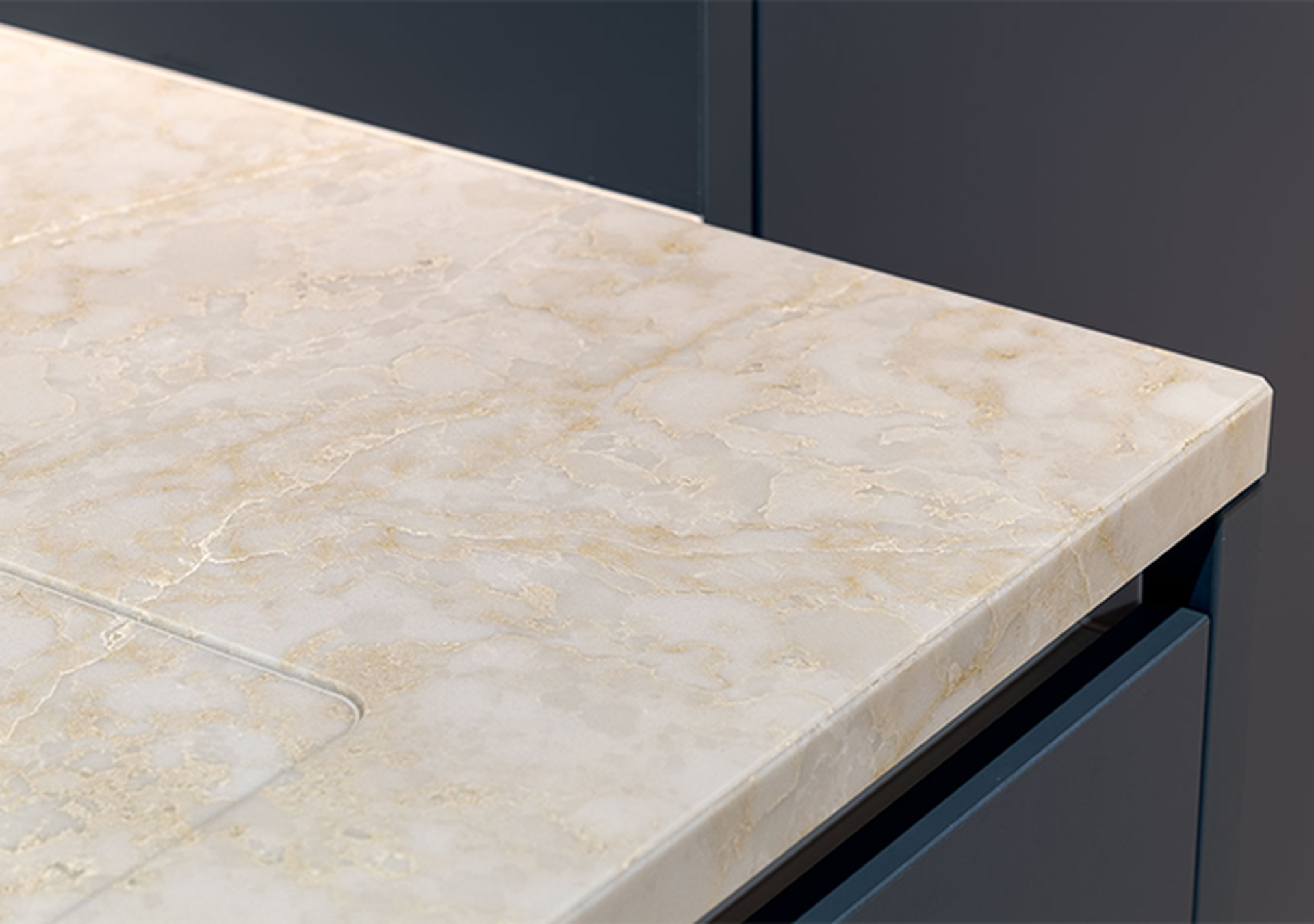
More shades and a more modern look, with dark beige veining.
Lighter and softer
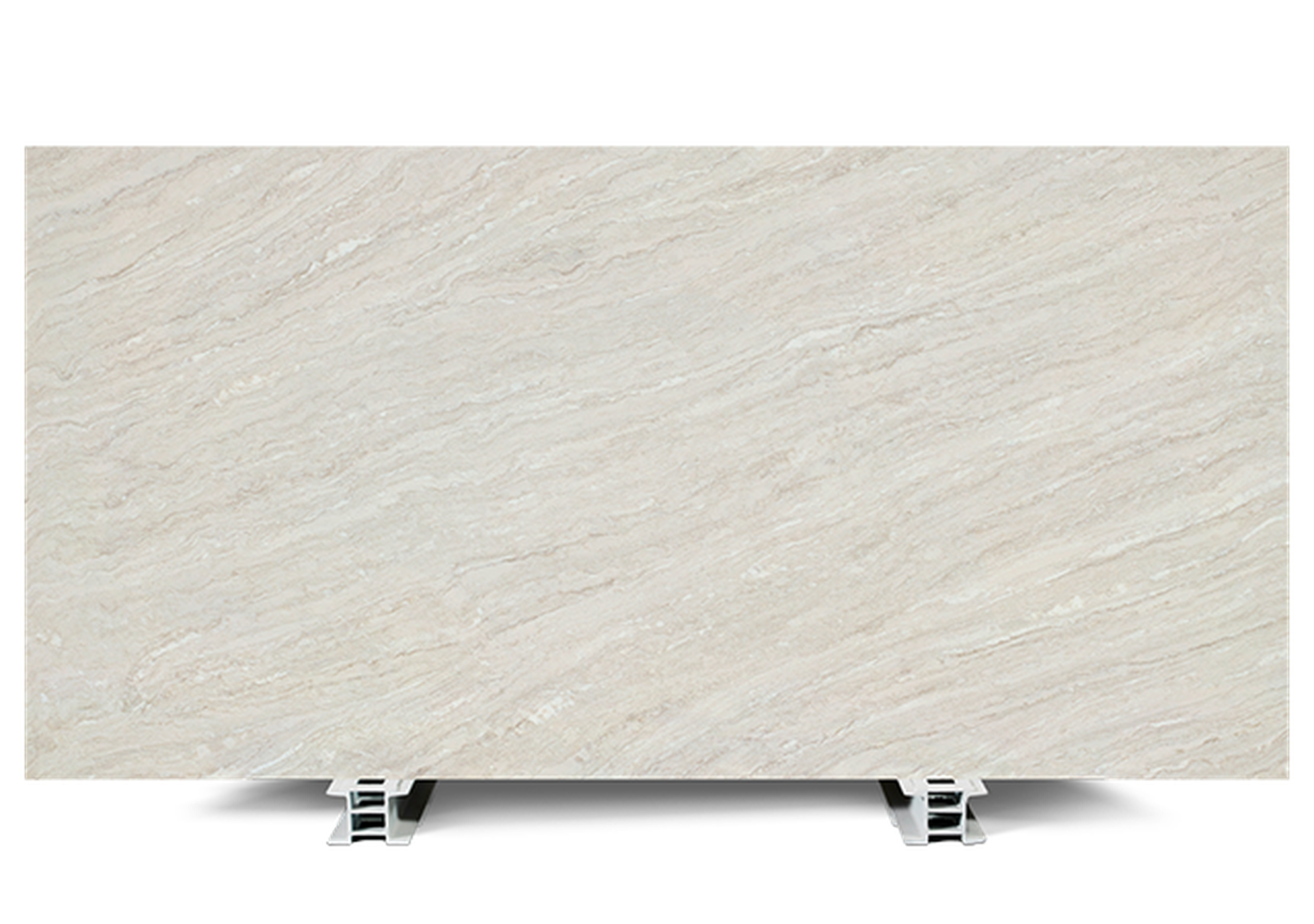
A wavy, lightly striped pattern that leans towards greige, as if the wind had swept across a beach.
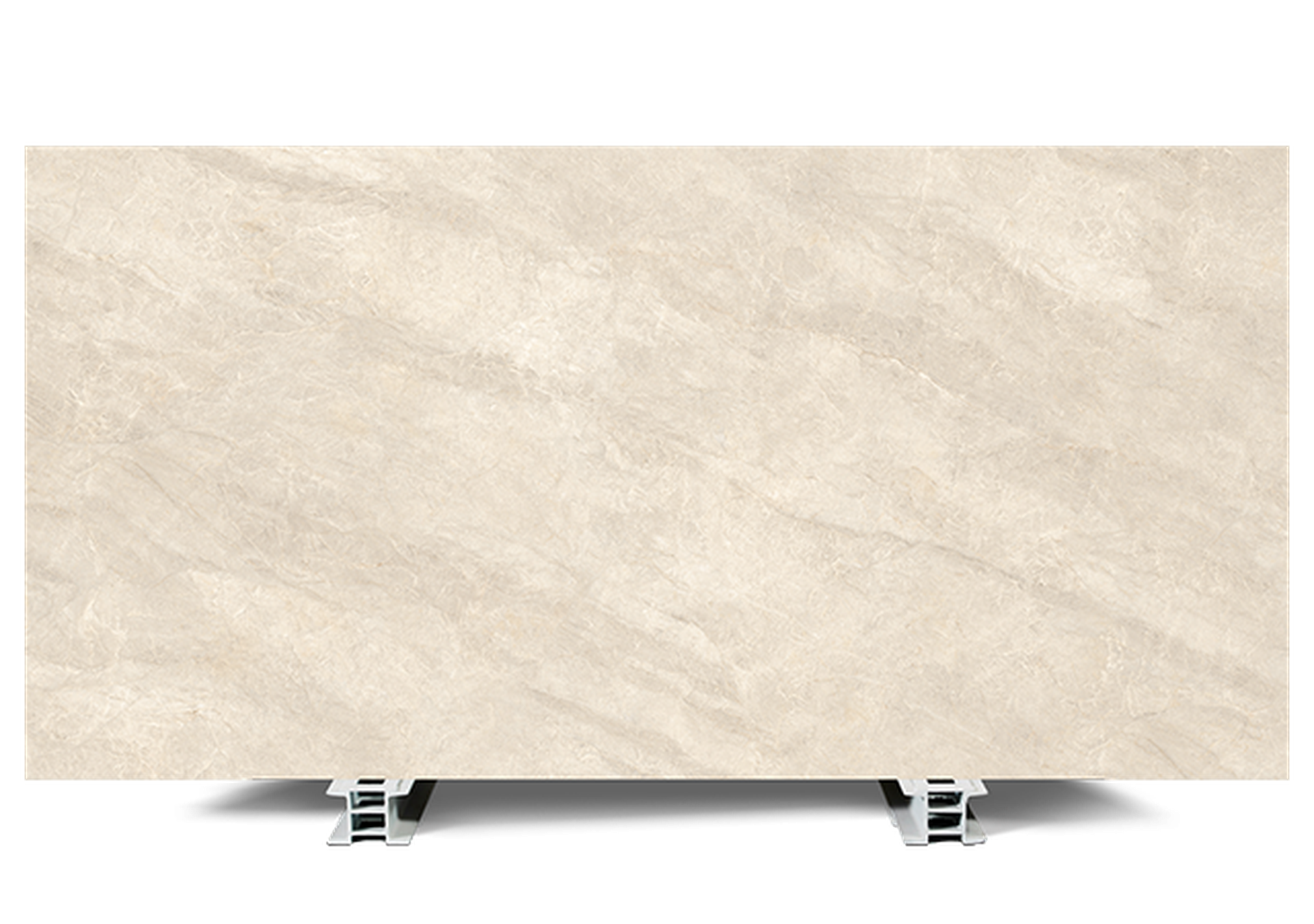
A grey-green undertone with a dark beige craquelé effect that strongly recalls Taj Mahal.
Porcelain · 1.2 and 2 cm · naturale · A & B slabs, bookmatch possible
Travertine and fossils
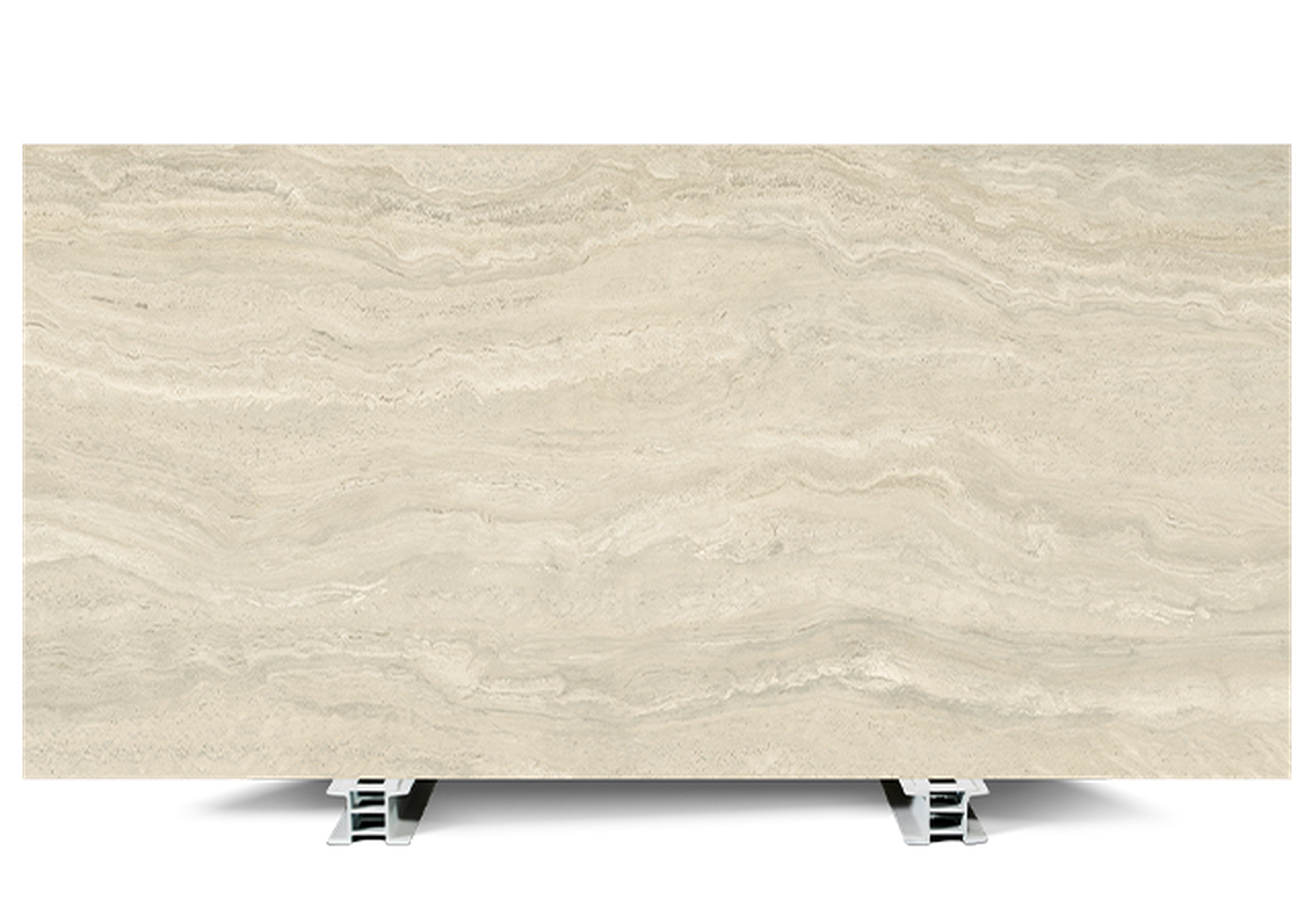
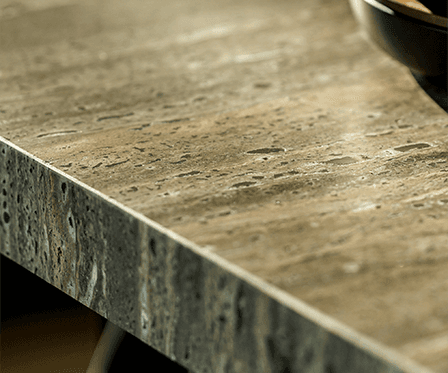
The classic beige of travertine in a wavy pattern. The venatura finish combines a matt background with glossier veins.
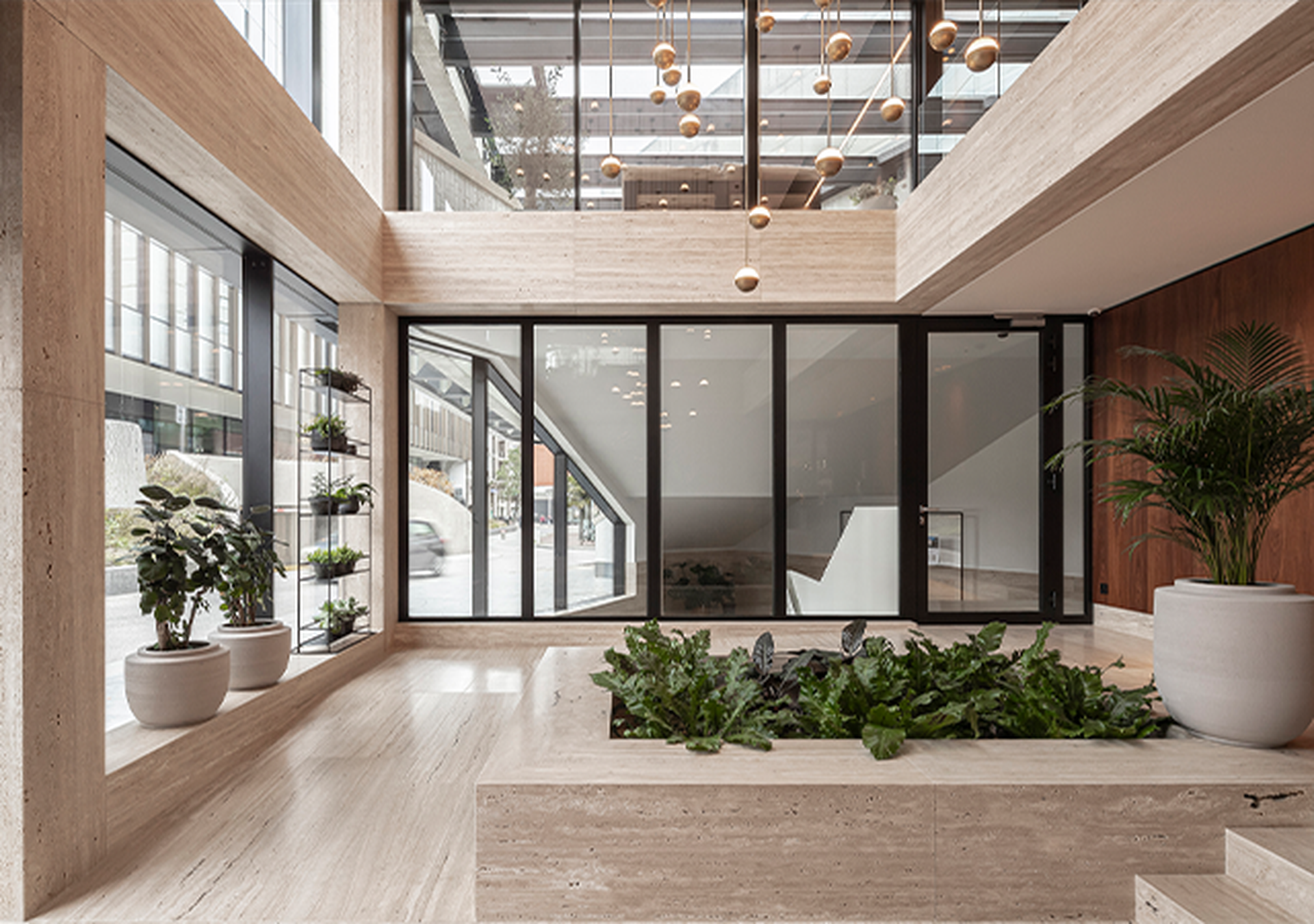
A compact beige travertine with flowing movement. More even than Taj Mahal; depending on the block and finish, it leans browner or more beige. Available filled or unfilled.
Travertine · slabs in 2, 3 and 4 cm, also tiles · polished, honed, arenado and more
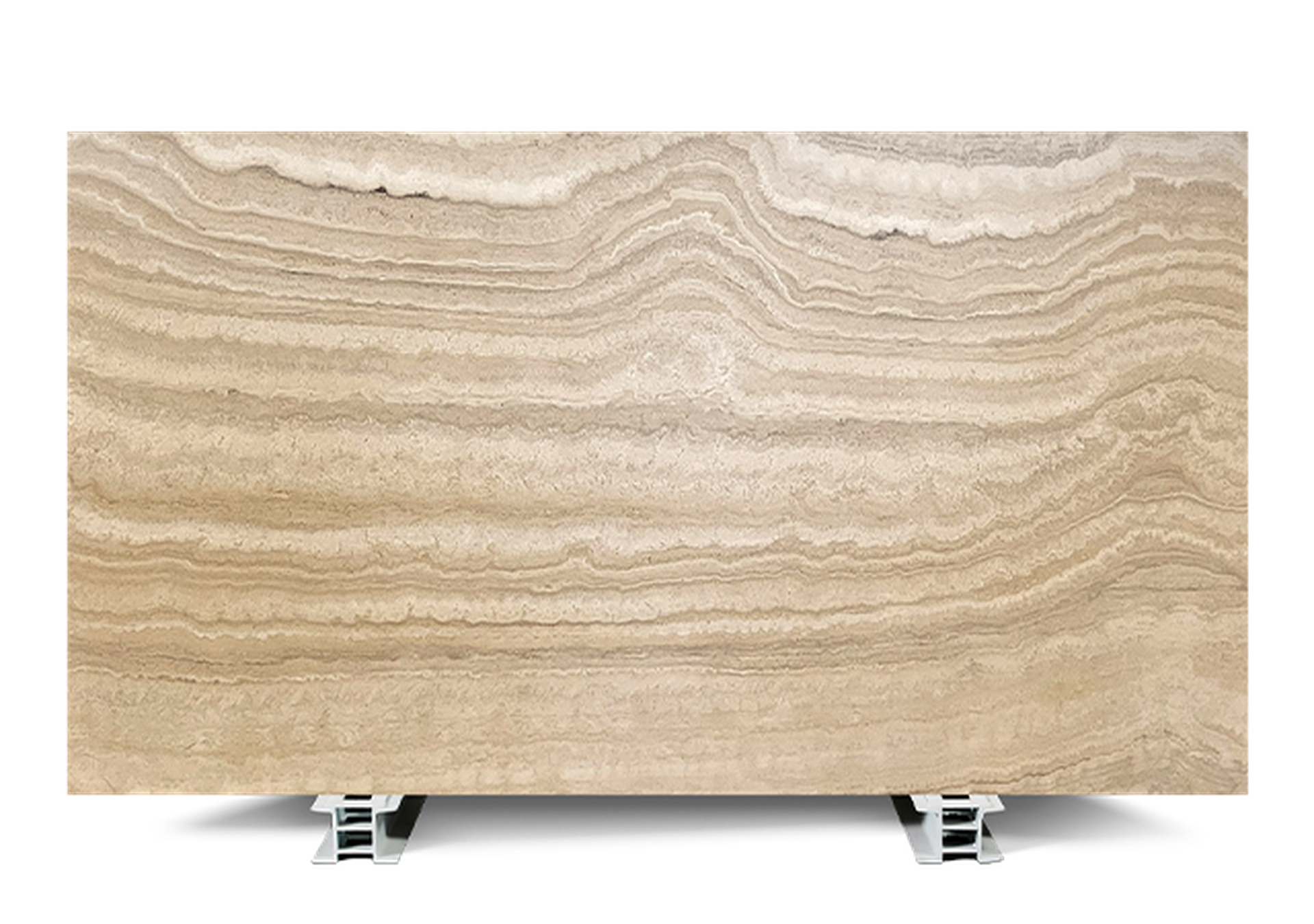
The most fluid pattern in this selection, in a cream-beige that varies from block to block.
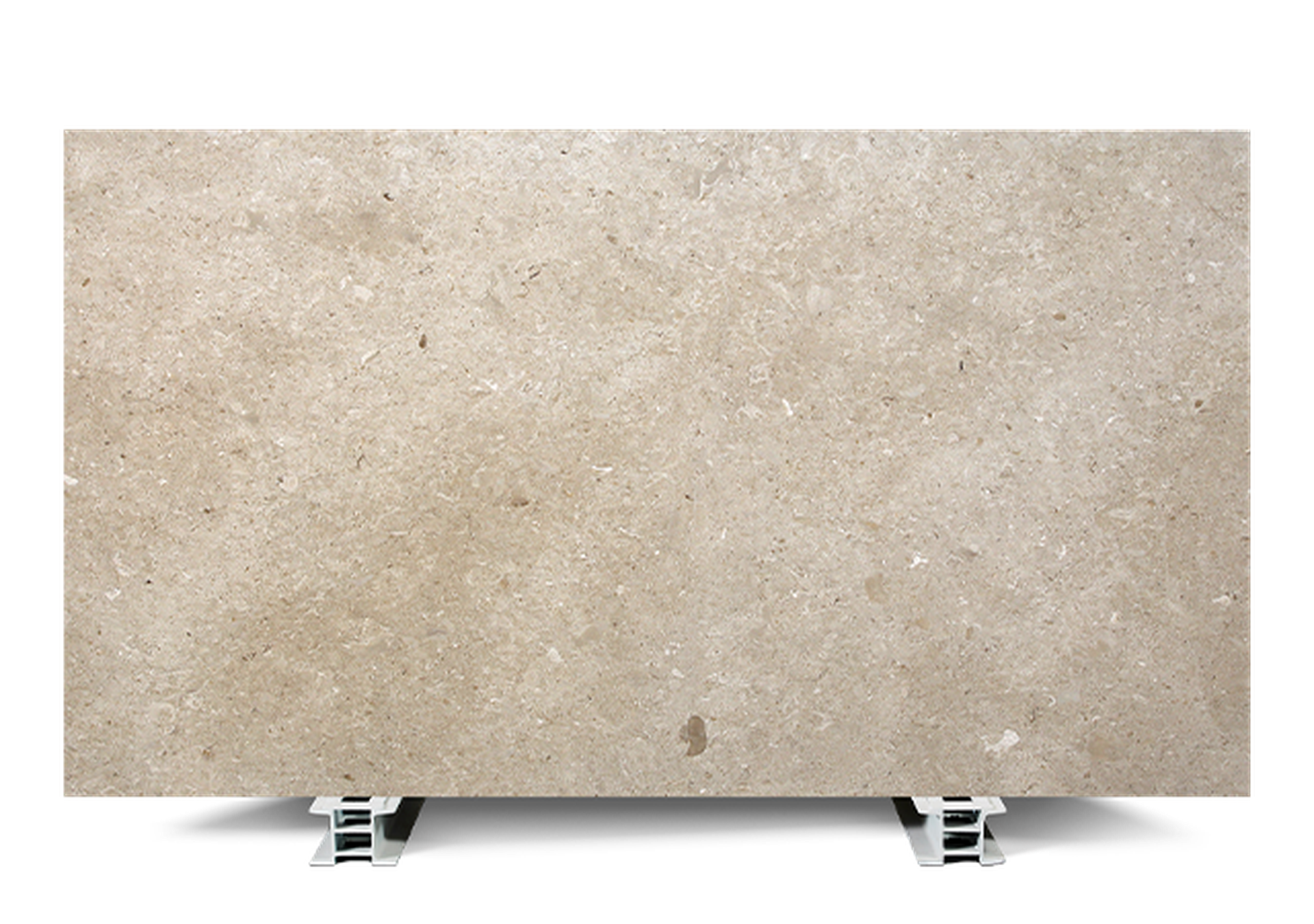
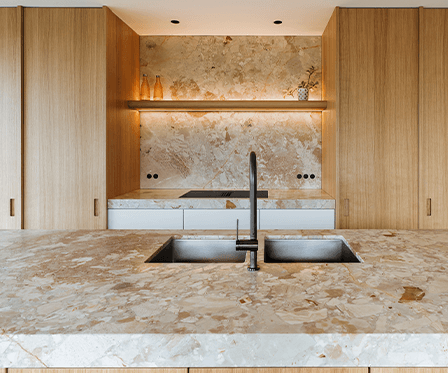
A marble rich in fossils, most often chosen in brosso vecchio: a matt finish with a distinctive leather-like touch.
Marble · 2 and 3 cm · brosso vecchio, other finishes on request
The next level
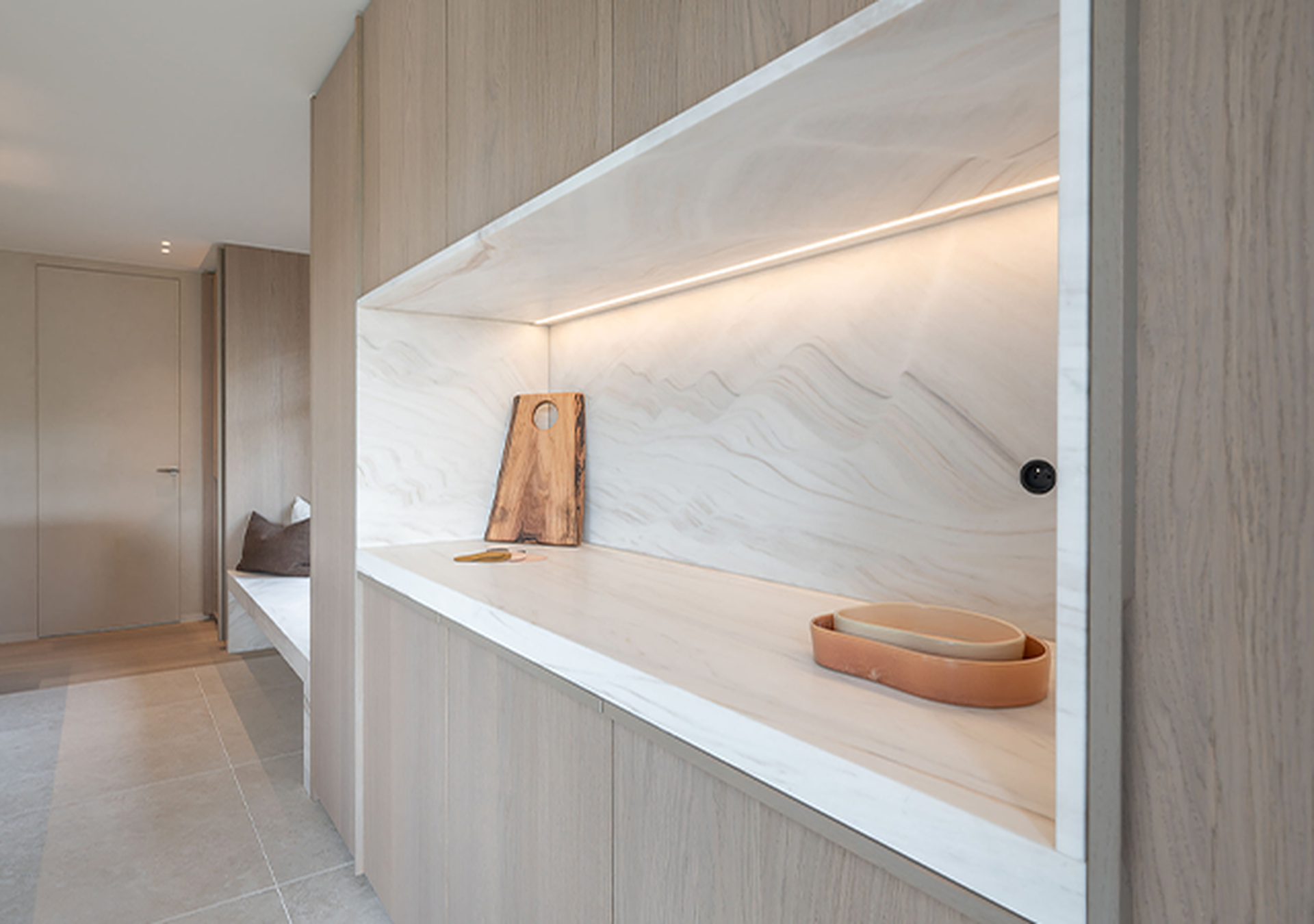
A luxurious white marble with beige waves that evoke sand and sea. Its crystal structure is clearly visible.
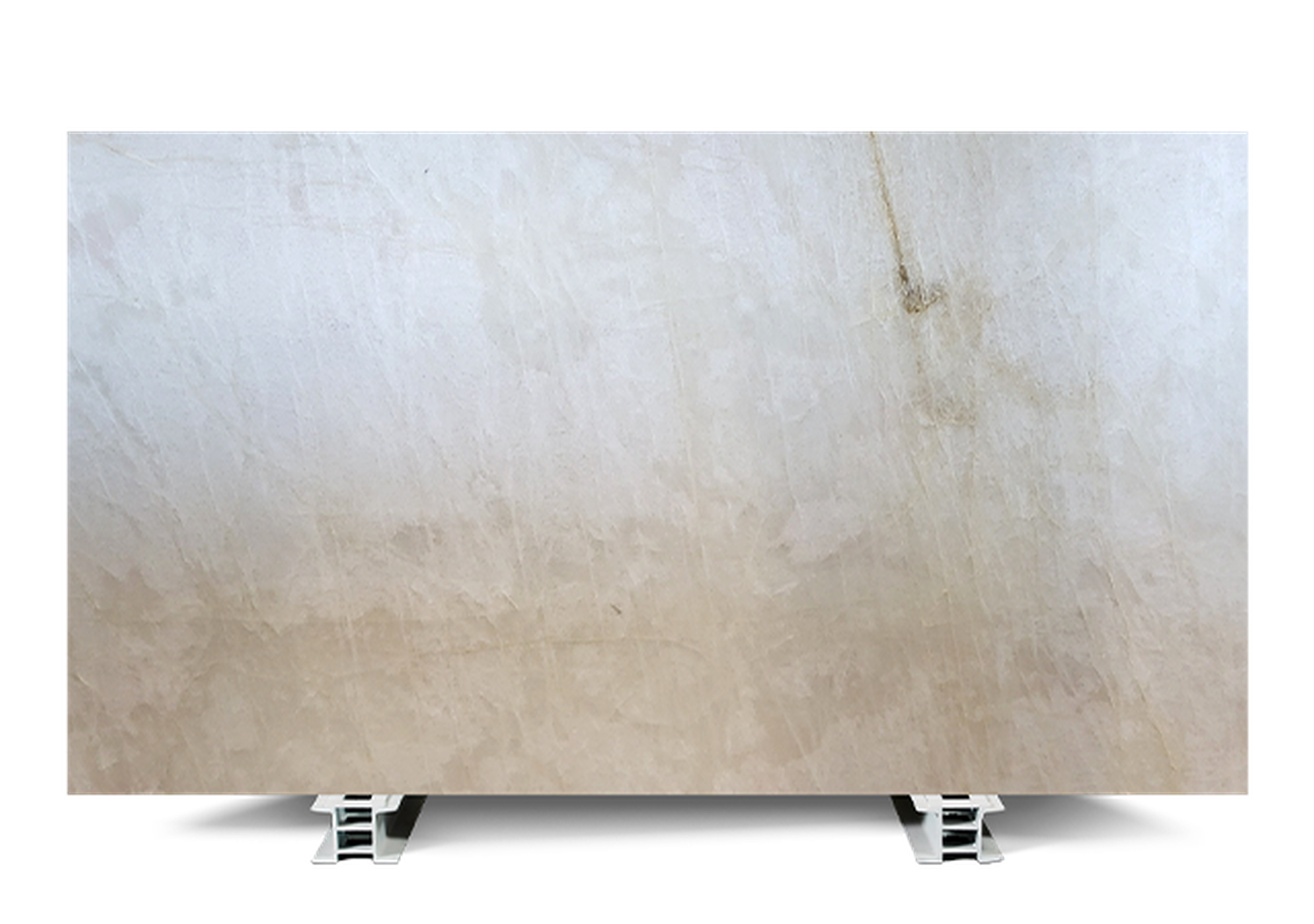
A more luxurious take on Taj Mahal, and translucent: two materials in one. Without lighting, a warm natural stone; backlit, a glowing surface.
Frequently Asked Questions
Yes. Taj Mahal is a quartzite: a dense natural stone that resists heat, acids and scratches, so it handles daily kitchen use well. Care is simple: clean it with a dedicated natural stone cleaner and a damp cloth. As with any natural stone, each slab is unique, so choose yours in person or via our live stock. Read more in our quartzite worktop care guide.
Taj Mahal quartzite is a natural stone, formed from sandstone under heat and pressure. Taj Mahal quartz is engineered: quartz bound with resin into slabs with a consistent pattern. The names are similar, but the materials are not.
Quartz (BQS, Unistone) and porcelain (Uniceramica) are non-porous and need no sealing. Porcelain also resists heat well. Natural stone such as travertine and marble needs periodic impregnation and more care with acids. See our guides on maintaining quartz worktops and porcelain worktops.